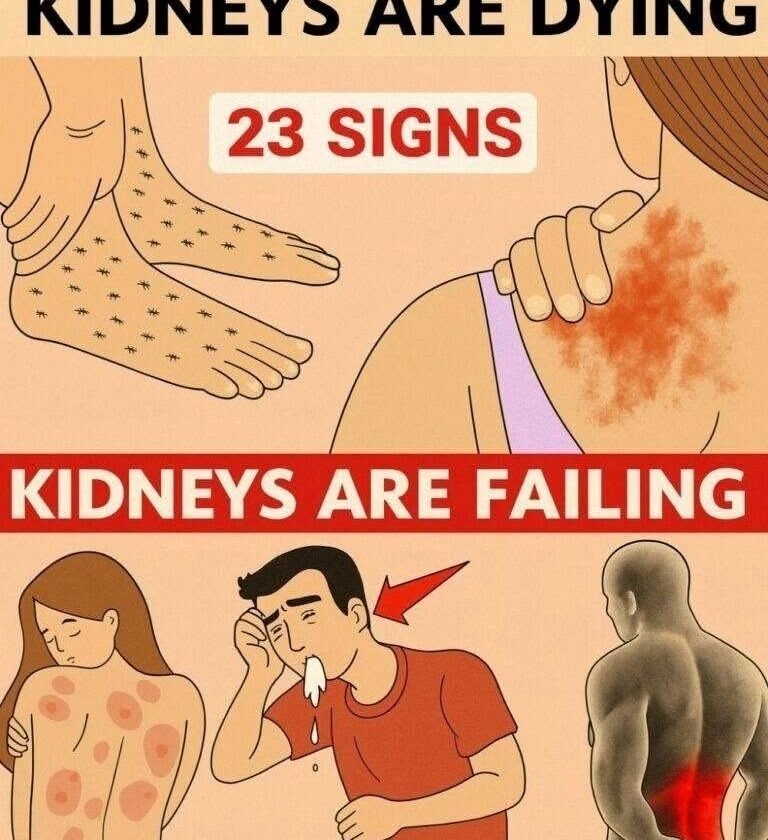
Viral health blogs and sensationalized wellness reels love to use dramatic, anxiety-inducing clickbait hooks like “23 Strange Signs Your Kidneys Might Be in Trouble” to terrify you into believing that every random twitch, slight change in urine color, or patch of dry skin is a hidden indicator of irreversible renal failure.
While chronic kidney disease is a serious condition that requires vigilant medical management, the human kidneys are exceptionally resilient filters equipped with massive functional reserve. When they genuinely struggle, they produce distinct, persistent systemic markers rather than a random list of 23 unrelated daily quirks.
Here is a look at what your kidneys actually do, why clickbait alarmism misses the mark, and when renal changes genuinely warrant a physician’s evaluation.
What Do Your Kidneys Actually Do?
Your two bean-shaped kidneys sit just below your rib cage on either side of your spine, acting as your body’s ultimate master filtration plant. Every single day, they filter about 120 to 150 quarts of blood to produce 1 to 2 quarts of urine, handling several critical jobs:
-
Waste Removal: Filtering out metabolic byproducts like urea, creatinine, and uric acid from protein breakdown and cellular metabolism.
-
Fluid and Electrolyte Balance: Regulating precise levels of sodium, potassium, and water in the bloodstream to maintain optimal blood pressure and hydration.
-
Hormone Production: Producing erythropoietin (EPO) to signal the bone marrow to make red blood cells, regulating blood pressure via the renin-angiotensin system, and activating Vitamin D for bone health.
Where the “Strange Signs” Hyperbole Goes Wrong
Clickbait articles love to grab completely normal, everyday human experiences—like feeling tired after a long workday, having dry winter skin, or waking up slightly puffy after eating a very salty meal—and rebrand them as “strange warning signs of kidney failure.”
In reality, simple lifestyle factors, temporary dehydration, or common dermatological issues account for the vast majority of these mild symptoms. The kidneys are remarkably efficient; they can lose a significant portion of their functional capacity before classic, noticeable symptoms emerge—which is why routine blood and urine testing by a doctor is so vital.
True Clinical Signs of Kidney Distress
When kidney function declines significantly (such as in chronic kidney disease or acute injury), the body manifests specific, measurable, and persistent clinical signals:
-
Persistent Facial or Lower Extremity Edema (Swelling):
-
Why it happens: When kidneys cannot effectively remove extra sodium and fluid, or when protein leaks into the urine due to damaged filters (glomeruli), fluid accumulates in the tissues, leading to puffiness around the eyes in the morning and swelling in the ankles and feet.
-
-
Foamy or Bubbly Urine:
-
Why it happens: If the kidney’s delicate filtering barriers are damaged, large amounts of protein (primarily albumin) leak out of the blood and into the urine, creating a persistent, frothy appearance similar to scrambled eggs.
-
-
Unexplained Fatigue and Weakness:
-
Why it happens: Healthy kidneys produce EPO to make red blood cells. When kidney function drops, anemia sets in because the body lacks enough red blood cells to deliver oxygen efficiently, leading to profound, ongoing exhaustion.
-
-
Persistent Itchiness (Pruritus):
-
Why it happens: When kidneys fail to filter out waste products properly, excess phosphorus and other toxins build up in the bloodstream, triggering severe, deep-seated skin itching.
-
-
Changes in Urination Frequency:
-
Why it happens: Needing to get up multiple times during the night to urinate (nocturia) or noticing a sudden decrease in urine output can reflect the kidneys’ failing ability to concentrate urine or regulate fluid balance.
-
What Actually Protects Your Kidneys
If you want to safeguard your renal health and keep your biological filters running smoothly, evidence-based management far outweighs internet symptom-checking:
-
Control Blood Pressure: Hypertension is the second leading cause of kidney failure. High pressure damages the delicate microvascular blood vessels inside the kidneys’ nephrons.
-
Manage Blood Sugar: Diabetes is the leading cause of chronic kidney disease. Keeping glucose levels stable prevents long-term damage to the kidney’s filtering units (diabetic nephropathy).
-
Stay Hydrated Wisely: Drinking adequate water helps your kidneys easily flush out metabolic waste and toxins without overworking them.
-
Use Over-the-Counter Pain Relievers with Care: Frequent, long-term use of NSAIDs (like ibuprofen, naproxen, or high-dose aspirin) can reduce blood flow to the kidneys and cause acute or chronic injury.
When to See a Doctor
While minor bodily fluctuations are normal, you should schedule an evaluation with your primary care physician or a nephrologist if you notice persistent clinical red flags:
-
Unexplained, persistent swelling in your legs, ankles, or around your eyes.
-
Foamy urine that does not resolve.
-
High blood pressure that is difficult to control with medication.
Don’t let sensationalized clickbait prey on your fears over ordinary daily fatigue—keeping an eye on your blood pressure, managing metabolic health, and running routine lab work are the true keys to keeping your kidneys protected!