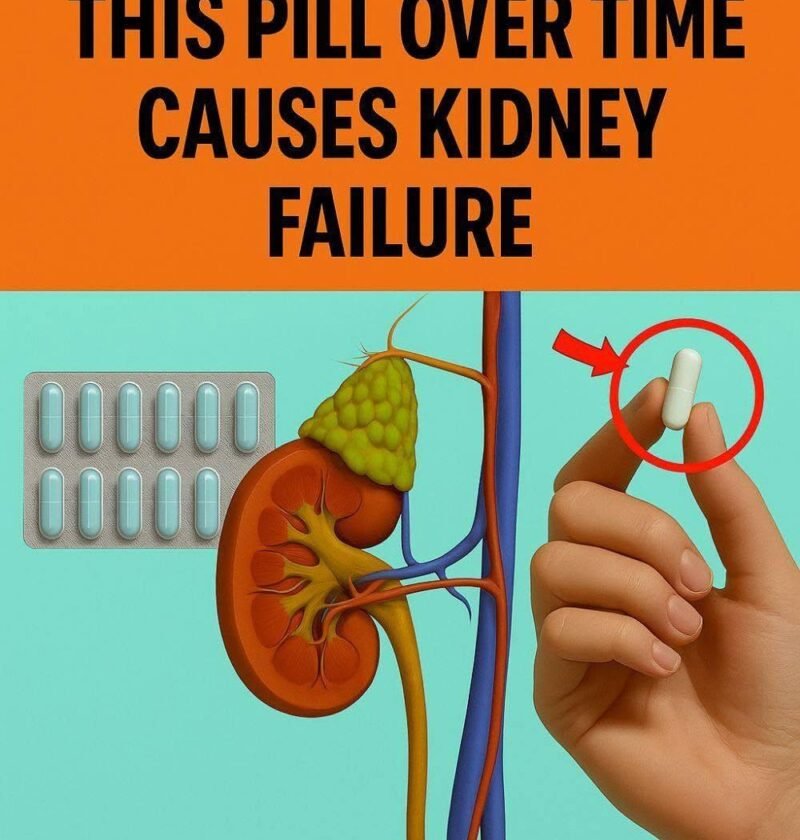
Viral health blogs and sensationalized wellness reels love to use dramatic, fear-mongering hooks like “Taking this could be affecting your kidneys, consult your doctor!”—usually paired with a blurry image of a common supplement, pain reliever, or everyday food—to terrify you into believing that an innocent daily habit is silently destroying your renal filters.
While protecting your kidneys is undeniably important, human kidneys are remarkably sophisticated filtration units with massive functional reserves. They do not fail from ordinary, safe substances used correctly; rather, kidney injury typically stems from specific, cumulative physiological insults or chronic medical conditions.
Here is a look at what actually threatens your kidneys, why clickbait alarmism misses the mark, and what substances truly require cautious management.
What Actually Overworks or Damages Your Kidneys?
As discussed previously, your kidneys filter 120 to 150 quarts of blood daily, regulating fluid, electrolytes, and metabolic waste. When kidney tissue (nephrons and glomeruli) suffers injury, it is usually due to sustained physiological stress rather than a single harmless dietary choice:
-
Chronic, Uncontrolled Hypertension:
-
The Mechanism: High blood pressure puts excessive mechanical force on the delicate microvascular blood vessels inside the kidneys, gradually scarring them and reducing their ability to filter blood.
-
-
Unmanaged Blood Glucose (Diabetes):
-
The Mechanism: Chronically high blood sugar thickens and damages the filtering membranes of the glomeruli, eventually leading to diabetic nephropathy.
-
-
Direct Nephrotoxic Insults:
-
The Mechanism: Certain medications or substances can reduce blood flow to the kidneys or directly damage renal tubule cells when used improperly or in excessive doses.
-
Where the “Secret Kidney Killer” Hyperbole Goes Wrong
Clickbait articles love to demonize common, everyday items—such as protein powder, everyday vitamins, or occasional pain relievers—framing them as hidden toxins that will instantly ruin your kidneys.
In reality, dose, frequency, and underlying health status matter entirely. For example, taking a standard over-the-counter pain reliever occasionally for a headache is safe for a healthy person; however, taking high doses chronically while dehydrated can stress the kidneys. Clickbait strips away all clinical nuance to generate clicks through panic.
Substances That Require Genuine Renal Caution
While balanced diets and normal foods are entirely safe for healthy kidneys, certain substances do require careful medical oversight:
-
Regular, High-Dose NSAIDs (Non-Steroidal Anti-Inflammatory Drugs):
-
Why: Drugs like ibuprofen, naproxen, and high-dose aspirin inhibit prostaglandins, hormones that help maintain blood flow to the kidneys. Chronic, heavy use—especially when dehydrated—can precipitate acute kidney injury or chronic damage.
-
-
Extreme, Unsupervised Supplementation:
-
Why: Excessive doses of certain fat-soluble vitamins, heavy metal-contaminated herbal remedies, or massive, unmonitored doses of creatine/protein in individuals with pre-existing, undiagnosed kidney disease can place an unnecessary metabolic burden on the renal system.
-
-
Contrast Dyes and Specific Prescription Medications:
-
Why: Certain medical imaging contrast dyes or powerful prescription drugs require careful renal function monitoring (like checking eGFR and creatinine) before administration, particularly in older adults or those with existing kidney impairment.
-
What Actually Protects Your Kidneys
Instead of living in fear of random internet warnings, protect your renal health with evidence-based habits:
-
Keep Blood Pressure and Blood Sugar in Check: These are the two most powerful protectors of long-term kidney function.
-
Stay Adequately Hydrated: Drinking enough water ensures your kidneys can easily process and excrete metabolic waste without strain.
-
Use Over-the-Counter Pain Meds Sensibly: Follow packaging directions, avoid long-term daily use without consulting a physician, and stay hydrated when taking NSAIDs.
-
Get Routine Lab Work: A simple annual blood test (checking serum creatinine and calculating your eGFR) along with a routine urine test provides an objective, accurate picture of your kidney health.
Don’t let sensationalized clickbait prey on your health anxieties—understanding your actual physiological risks and keeping up with routine medical checkups is the true key to keeping your kidneys thriving!