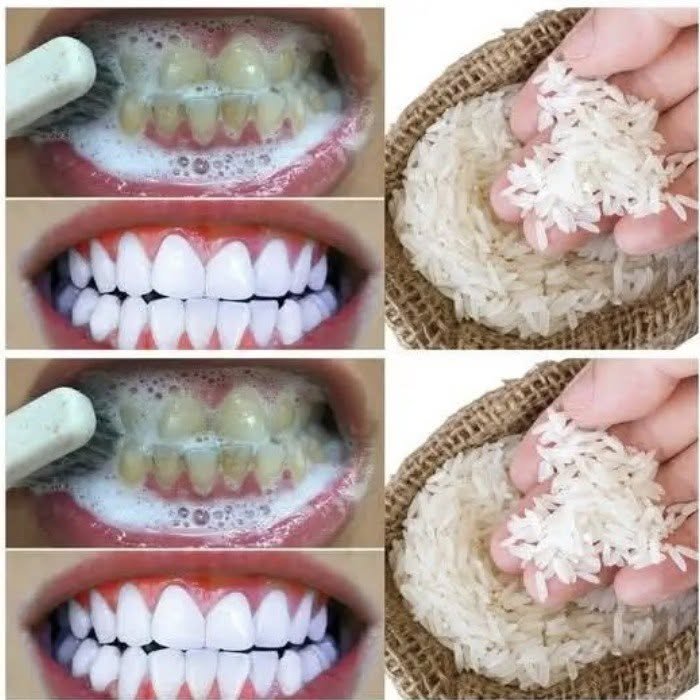
Viral beauty reels and sensationalized TikTok hacks love to use dramatic, too-good-to-true hooks like “Whiten your teeth in just 1 minute with this simple home trick”—usually pairing baking soda with lemon juice, activated charcoal, or hydrogen peroxide—to promise an instant, Hollywood-white smile from your kitchen counter.
While a bright smile is universally desired, human tooth enamel doesn’t respond to abrasive kitchen experiments the way clickbait promises. In fact, many viral DIY whitening hacks rely on harsh mechanical abrasion or chemical damage that can permanently ruin your tooth enamel.
Here is a look at how tooth discoloration actually happens, why DIY kitchen tricks are a dental hazard, and what safe, evidence-based methods actually whiten teeth.
What Is Tooth Enamel and Why Do Teeth Discolor?
To understand whitening, you have to look at the anatomy of a tooth:
-
Enamel (The Outer Layer):
-
Enamel is the hardest substance in the human body and is almost entirely mineralized (hydroxyapatite). Crucially, enamel is semi-translucent and has no living cells or blood supply, meaning it cannot repair itself once it is worn away or damaged.
-
-
Dentin (The Inner Layer):
-
Beneath the enamel lies dentin, a naturally yellowish, porous tissue. As we age, enamel naturally thins from wear and tear, allowing the yellowish dentin to show through more prominently.
-
-
Extrinsic vs. Intrinsic Stains:
-
Extrinsic stains sit on the outer pellicle layer of the enamel, caused by chromogens from coffee, tea, red wine, tobacco, and dark foods.
-
Intrinsic stains are deep within the tooth structure, caused by genetics, aging, certain medications (like tetracycline), or trauma.
-
Where the “1-Minute Kitchen Hack” Danger Lies
Clickbait wellness videos love to promote aggressive home remedies like scrubbing teeth with raw lemon juice and baking soda, or harsh abrasive charcoal powders. Here is why those “hacks” are a clinical disaster:
-
Acid Erosion (Lemon Juice / Apple Cider Vinegar):
-
Lemon juice is highly acidic. Applying acid directly to your teeth instantly softens your enamel. If you brush immediately after—or scrub with baking soda while the enamel is softened—you literally scour away your protective enamel layer. Once enamel is gone, it is gone forever.
-
-
Extreme Abrasion (Baking Soda & Charcoal):
-
While baking soda has a mild abrasive property, scrubbing with it aggressively wears down the microscopic structure of your enamel. Activated charcoal is even more abrasive; daily use can scratch the enamel, exposing the yellow dentin underneath and making your teeth more prone to staining over time as pigments lodge in the microscopic scratches.
-
What Actually Safely Whitens Teeth
Dentists use controlled, evidence-based chemical agents to lift stains without destroying the tooth’s structural integrity:
-
Hydrogen Peroxide or Carbamide Peroxide Gels:
-
Professional or dentist-approved whitening strips and gels use safe percentages of peroxide. These compounds penetrate the porous enamel to reach stain molecules, chemically breaking apart their chemical bonds (oxidation) without scrubbing away the mineral structure.
-
-
Professional Dental Cleanings (Scaling and Polishing):
-
Often, yellowish or dull teeth are simply covered in hardened tartar and surface staining. A professional dental hygienist removes this buildup mechanically with ultrasonic scalers, instantly restoring your teeth’s natural brightness.
-
-
Daily Mechanical Maintenance:
-
Brushing twice a day with a soft-bristled toothbrush (or an electric toothbrush), flossing daily, and using a straw for staining beverages like iced coffee or tea prevents extrinsic stains from settling in the first place.
-
When to See a Dentist
Before trying any whitening product—over-the-counter or professional—you should consult your dentist:
-
Cavities or Gum Disease: Whitening agents can cause severe pain or damage if they seep into active cavities, exposed roots, or inflamed gums.
-
Restorations: Crowns, veneers, and fillings do not change color with whitening agents; bleaching natural teeth while having restorations can result in an uneven, mismatched shade.
Don’t let sensationalized internet hacks trick you into ruining your enamel for a 1-minute illusion—protect your teeth with proper hygiene and dentist-approved methods!