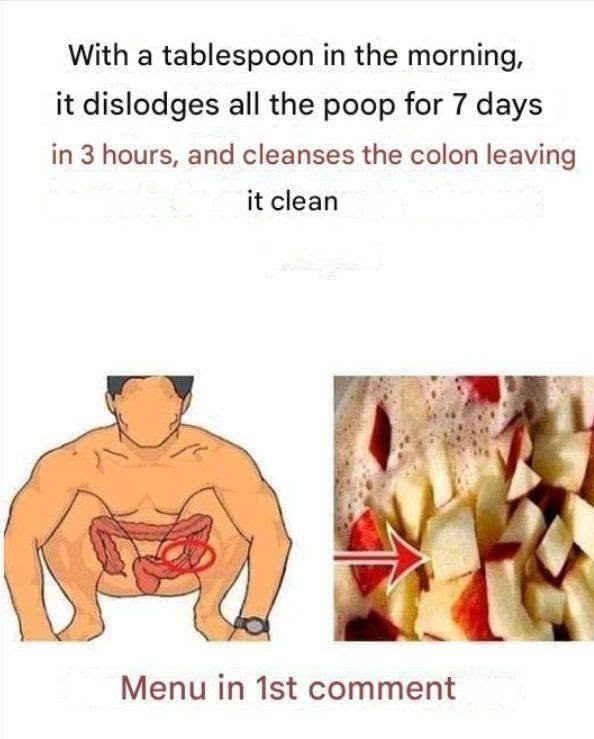
Dietitians frequently recommend natural, food-based approaches to ease constipation and encourage smooth bowel movements without immediately relying on medical laxatives.
Three of the most effective, dietitian-backed natural remedies to help facilitate the evacuation of stools include:
1. High-Fiber Foods (Specifically Soluble & Insoluble Fiber)
-
How it works: Fiber is essential because it adds bulk to your stool and helps retain water, making the waste softer and much easier to pass. Insoluble fiber adds structural bulk, while soluble fiber forms a gel-like consistency that slows digestion and keeps stools soft.
-
Top recommendations: Raspberries, pears and apples (with the skin on), chia seeds, lentils, black beans, and whole oats.
-
Dietitian Tip: When increasing fiber, always ramp up your intake gradually and pair it with plenty of water; otherwise, adding too much fiber too fast can actually worsen bloating and cramping.
2. Hydration Paired with Sorbitol-Rich Fruits (like Prunes or Kiwis)
-
How it works: Dehydration is a primary culprit behind hard, dry stools. Water is necessary for fiber to do its job effectively. Pairing adequate hydration with fruits that contain sorbitol (a natural sugar alcohol)—such as prunes, prune juice, or kiwis—acts as a gentle osmotic trigger, drawing water into the intestinal tract to stimulate a bowel movement.
-
Top recommendations: Drinking a warm glass of water first thing in the morning, eating 2 daily peeled kiwis, or drinking a small glass of prune juice.
3. Healthy Fats as a Natural Lubricant (e.g., Olive Oil)
-
How it works: Consuming healthy fats can help grease the wheels of your digestive tract. Dietitians sometimes recommend a small amount of healthy oil on an empty stomach because it acts as a lubricant for the intestinal walls, helping solids slide through more smoothly while softening the final stool.
-
Top recommendations: Taking a teaspoon of extra virgin olive oil in the morning, or incorporating omega-3-rich sources like flaxseeds, chia seeds, and avocados into your meals.
Note: If lifestyle and dietary adjustments do not bring relief, or if constipation is accompanied by severe pain, unexplained weight loss, or blood in your stool, it is important to consult a healthcare professional.
Are you looking for a daily meal plan or specific routine adjustments to help manage digestion?