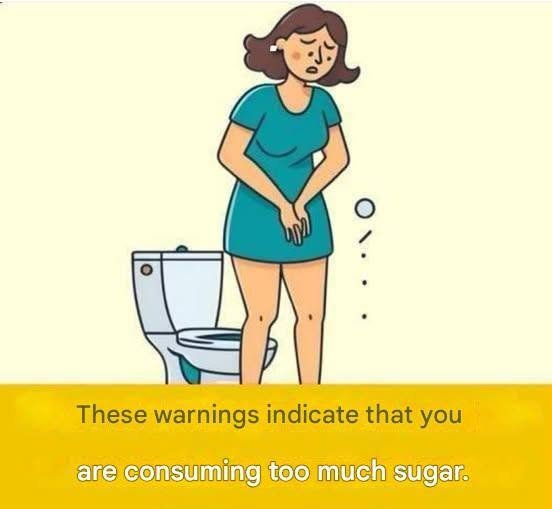
10 Warning Signs You May Be Eating Too Much Sugar
Eating some sugar is normal, but regularly consuming a lot of added sugar can contribute to weight gain, type 2 diabetes, heart disease, and other health problems. (cdc.gov)
Here are 10 signs that your diet may contain more added sugar than you realize.
1. You Crave Sweets Often
Frequent cravings for candy, desserts, sweet drinks, or other sugary foods may be a sign that you’re eating a lot of sweet foods.
2. You Drink Sugary Beverages Every Day
Soda, sweetened tea, energy drinks, and sweetened coffee can add large amounts of sugar without making you feel very full. (cdc.gov)
3. Your Weight Is Increasing
Sugary foods and drinks can add substantial calories, which may contribute to unwanted weight gain when consumed regularly.
4. You Have Frequent Dental Problems
Frequent exposure to added sugars increases the risk of tooth decay and cavities.
5. You Eat Desserts Almost Every Day
Cookies, cakes, pastries, ice cream, and similar foods are major sources of added sugar.
6. You Rely on Sweet Foods for a Quick Energy Boost
If sugary snacks or drinks are a regular part of your day, consider replacing some of them with foods containing fiber, protein, and healthy fats.
7. Your Breakfast Is Very Sugary
Sweetened cereals, pastries, flavored yogurt, and sweet drinks can make breakfast surprisingly high in added sugar.
8. You Don’t Realize How Much Sugar You’re Consuming
Sugar can appear under many names, including syrups, sucrose, dextrose, and high-fructose corn syrup. Check the nutrition label for the amount of “Added Sugars.” (heart.org)
9. Your Diet Contains Few Whole Foods
A diet dominated by sugary snacks and drinks can leave less room for vegetables, fruits, whole grains, beans, nuts, and other nutritious foods.
10. You Regularly Exceed Recommended Amounts
The American Heart Association recommends no more than about 25 grams (6 teaspoons) of added sugar per day for women and 36 grams (9 teaspoons) for men. (heart.org)
How to Cut Back
Start small. Replace sugary drinks with water or unsweetened beverages, choose whole fruit instead of sugary snacks, compare food labels, and gradually reduce the amount of sugar you add to coffee, tea, or breakfast foods.
Important: The sugar naturally found in whole fruit and plain milk is different from added sugar. You don’t need to eliminate nutritious foods simply because they contain natural sugars.
Bottom line: There isn’t one symptom that proves you’re eating too much sugar. The best clue is your overall diet. Checking your added-sugar intake and making a few simple changes can help support better long-term health.