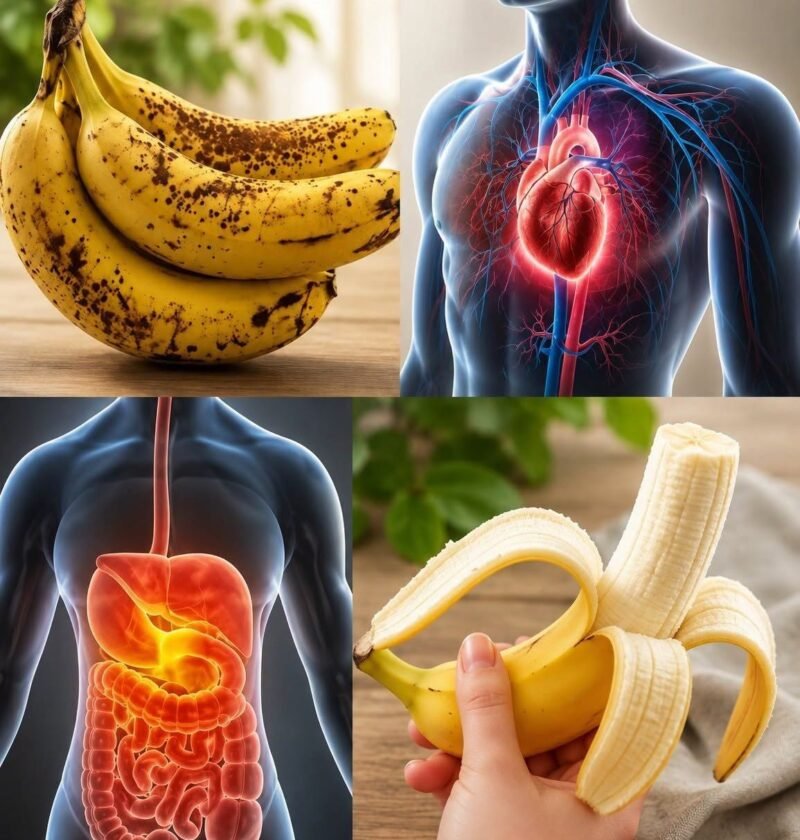
Viral health blogs and sensationalized wellness reels love to use dramatic, cryptic hooks like “Did you know that eating bananas increases… See more” to bait you into clicking, dangling the absurd implication that a humble, nutrient-dense fruit is secretly triggering a dangerous biological crisis.
While nutrition culture loves to demonize or overhype everyday foods, human metabolism is far too sophisticated to be thrown off by a simple banana.
Here is a look at what actually happens when you eat a banana, why the clickbait panic misses the mark, and what nutrition science really says about this popular fruit.
What Is Actually Inside a Banana?
Bananas are a staple food worldwide for good reason. They package a balanced mix of macronutrients and micronutrients into a convenient, natural wrapper:
-
Complex Carbohydrates and Natural Sugars:
-
The Reality: As a banana ripens, starches break down into natural sugars (fructose, glucose, and sucrose), providing an easily accessible source of energy. Along with these sugars, bananas contain dietary fiber, which slows down digestion and blunts the rate at which glucose enters your bloodstream.
-
-
Potassium:
-
The Reality: Bananas are famous for containing potassium, an essential electrolyte that helps regulate fluid balance, nerve signals, and muscle contractions (including the rhythmic beating of your heart).
-
-
Vitamins and Antioxidants:
-
The Reality: They provide meaningful amounts of Vitamin B6, Vitamin C, and various antioxidants that support cellular health and immune function.
-
Where the “Banana Panic” Hyperbole Goes Wrong
Clickbait articles frequently take a grain of truth—such as the fact that bananas contain sugar and potassium—and blow it wildly out of proportion:
-
The “Sugar Spike” Myth: Wellness reels often claim that eating a banana will send your blood sugar skyrocketing into a diabetic emergency. In reality, unless eaten in massive excess or by someone with specific unmanaged metabolic disorders without any fiber pairing, a standard banana causes a moderate, normal glycemic response—especially because its fiber content helps moderate absorption.
-
The “Potassium Overload” Myth: Some sensationalized posts suggest that eating a banana a day will dangerously spike your blood potassium (hyperkalemia). In reality, your kidneys are master regulators; unless you have severe, advanced chronic kidney disease or take specific medications that impair potassium excretion, a healthy body easily filters and maintains precise electrolyte balance.
What Actually Matters for Your Diet
Instead of fearing whole, natural foods like bananas based on clickbait headlines, focus on the big picture of your nutritional intake:
-
Whole Foods Over Processed Snacks: Bananas offer fiber, vitamins, and minerals that ultra-processed, refined-sugar snacks completely lack.
-
Balanced Nutrition: If you are watching your carbohydrate intake for metabolic reasons, pairing a banana with a source of protein or healthy fat (like a spoonful of peanut butter or Greek yogurt) further slows down digestion and flattens your blood sugar response.
When to Modify Your Diet
While bananas are exceptionally healthy for the vast majority of people, you should consult your doctor or a registered dietitian if you have specific medical conditions requiring dietary adjustments:
-
Advanced Chronic Kidney Disease: Because failing kidneys struggle to filter potassium effectively, individuals with advanced renal disease often need to monitor their daily intake of high-potassium foods like bananas, oranges, and potatoes.
-
Type 1 or Type 2 Diabetes: Managing carbohydrate distribution throughout the day is key, meaning total carbohydrate intake (including fruit) should be balanced with your overall meal plan and medication.
Don’t let sensationalized clickbait trick you into fearing fruit—enjoying a banana as part of a balanced, whole-food diet is a completely natural and healthy choice!