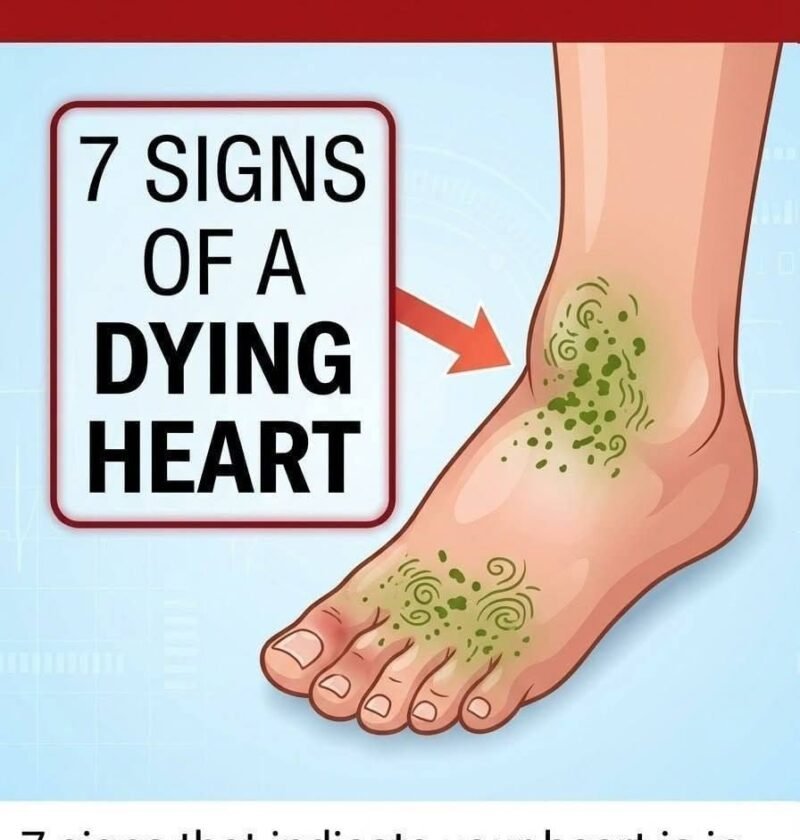
Viral health blogs and sensationalized wellness reels love to use dramatic, anxiety-inducing clickbait hooks like “7 signs that indicate your heart is in serious danger” to terrify you into believing that every momentary flutter, slight chest tightness from a heavy meal, or routine bout of fatigue is a sudden, imminent cardiac arrest.
While cardiovascular disease is a leading health concern, the human heart and vascular system operate through complex physiological mechanisms. When the heart is genuinely in distress, it produces distinct, persistent clinical signals rather than vague, fleeting daily discomforts.
Here is a look at what the heart actually does, why clickbait alarmism misses the mark, and what true, evidence-based signs of cardiovascular stress require urgent medical evaluation.
What Does the Heart Actually Do?
Your heart is an extraordinary, muscular pump roughly the size of your fist, sitting centrally in your chest cavity. Working continuously without rest, it manages two interconnected circulatory loops:
-
Systemic Circulation (The Body Loop):
-
The left side of the heart pumps oxygen-rich blood out through the aorta to supply your brain, organs, muscles, and tissues with vital oxygen and nutrients.
-
-
Pulmonary Circulation (The Lung Loop):
-
The right side of the heart pumps deoxygenated blood to your lungs, where it releases carbon dioxide and picks up fresh oxygen before returning to the heart.
-
Where the “Secret Heart Danger” Hyperbole Goes Wrong
Clickbait articles often lump ordinary, everyday human sensations—like a brief muscle twitch in the chest wall, mild indigestion after eating spicy food, or occasional lightheadedness when standing up too fast—into a breathless list of catastrophic cardiac warnings.
In reality, musculoskeletal chest wall pain, benign premature heartbeats (palpitations triggered by stress, caffeine, or lack of sleep), and simple dehydration are harmless and completely unrelated to heart failure or impending heart attacks. Sensationalized lists amplify health anxiety by stripping away all clinical context.
True Clinical Signs of Cardiovascular Distress
When the heart muscle, its blood supply (coronary arteries), or its electrical system are genuinely compromised, the body manifests distinct, persistent, and recognizable clinical signals:
-
Angina (Exertional Chest Pressure or Discomfort):
-
Why it happens: If atherosclerotic plaque narrows a coronary artery, the heart muscle may not receive enough oxygen-rich blood during times of increased demand (like walking up stairs or exercising). This causes a deep, squeezing, pressure-like sensation in the center of the chest that typically subsides with rest.
-
-
Shortness of Breath (Dyspnea) on Exertion or Lying Down:
-
Why it happens: If the heart muscle weakens and cannot pump blood efficiently (such as in heart failure), blood can back up into the pulmonary vessels, fluid can leak into the lung tissues, and breathing becomes noticeably difficult, especially when flat.
-
-
Unexplained, Profound Fatigue:
-
Why it happens: When cardiac output drops, the heart cannot deliver adequate oxygenated blood to skeletal muscles and vital organs, leading to a deep, persistent exhaustion that routine rest doesn’t fix.
-
-
Peripheral Edema (Swelling in the Legs, Ankles, or Feet):
-
Why it happens: A failing heart pump leads to fluid retention and increased pressure in the venous system, causing fluid to pool in the lowest parts of the body due to gravity.
-
-
Palpitations Accompanied by Dizziness or Syncope (Fainting):
-
Why it happens: While occasional fluttering is usually harmless, chaotic or dangerously fast/slow heart rhythms (arrhythmias) can drastically reduce blood flow to the brain, causing lightheadedness, confusion, or fainting.
-
What Actually Protects Your Cardiovascular Health
If you want to safeguard your heart and keep your circulatory system resilient, evidence-based lifestyle choices far outweigh internet panic:
-
Manage Blood Pressure: Hypertension forces your heart muscle to work harder against excessive resistance, eventually leading to left ventricular hypertrophy and heart failure. Keep it monitored and controlled.
-
Control Cholesterol and Blood Sugar: Preventing atherosclerotic plaque buildup in your coronary arteries preserves the blood supply directly to your heart muscle.
-
Engage in Regular Aerobic Exercise: Consistent physical activity strengthens the myocardium (heart muscle), improves endothelial function, and enhances vascular elasticity.
-
Adopt a Heart-Healthy Dietary Pattern: Emphasize vegetables, whole grains, lean proteins, and healthy fats while minimizing excess sodium and ultra-processed foods.
When to See a Doctor (Or Call 911)
While everyday chest wall twitches are harmless, you should never ignore acute warning signs. Seek emergency medical attention immediately if you experience:
-
Sudden, crushing, squeezing, or pressure-like chest pain that radiates to your jaw, neck, back, or left arm.
-
Sudden shortness of breath accompanied by cold sweats, nausea, or lightheadedness.
-
A fainting episode accompanied by rapid or irregular heartbeats.
Don’t let sensationalized headlines prey on your health anxieties—understanding your actual cardiovascular risks, managing your foundational numbers, and recognizing true medical emergencies are the real keys to keeping your heart protected!