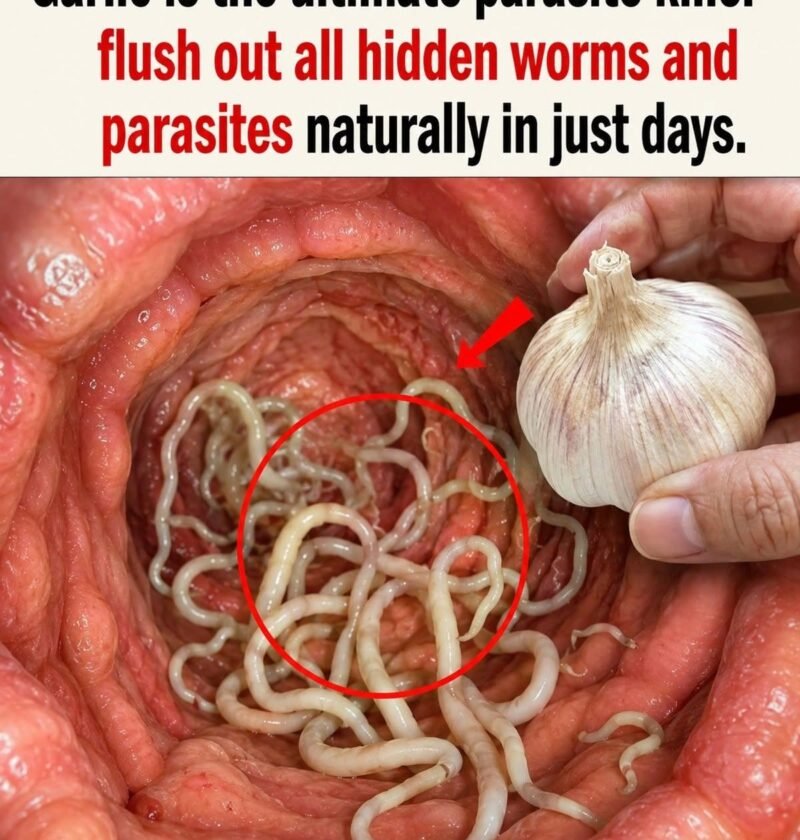
There is some real chemistry behind this headline, but “garlic strikes bacteria” can make the effect sound much more powerful in the human body than the evidence supports.
🧄 What happens when garlic is crushed?
Garlic contains a sulfur-containing compound called alliin. When you crush, chop, or chew garlic, an enzyme called alliinase converts alliin into allicin.
Allicin is highly reactive and can interfere with enzymes and other cellular processes in microorganisms. Laboratory studies show that it has antimicrobial activity against various bacteria and fungi.
But there’s an important catch
The fact that allicin can inhibit bacteria in a laboratory doesn’t mean eating garlic can treat a bacterial infection.
Allicin is chemically unstable and is rapidly transformed into other compounds. The amount reaching a particular infection site after eating garlic isn’t equivalent to the concentrations used in laboratory experiments.
So garlic can be a healthy addition to a normal diet, but it shouldn’t replace antibiotics or medical treatment for a diagnosed bacterial infection.
How to preserve more allicin
If you’re using garlic as food, crushing or chopping it and letting it sit for several minutes before cooking allows the alliinase reaction to occur before heat can deactivate the enzyme.
That’s an interesting piece of food chemistry—but it isn’t a “natural antibiotic” capable of safely curing infections on its own.