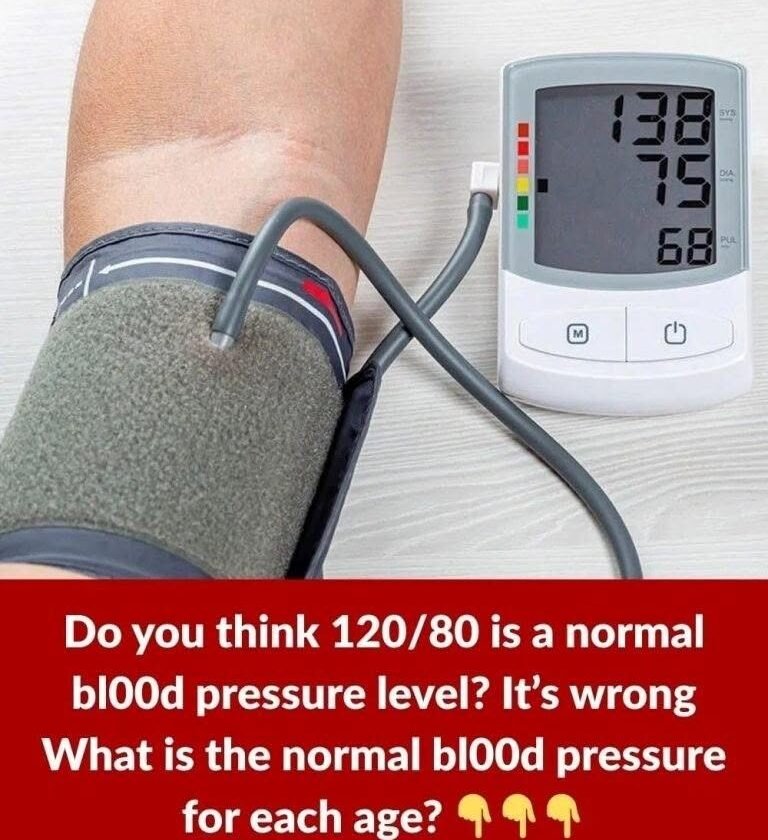
Blood pressure naturally shifts over time because our arterial walls become slightly stiffer and less elastic as we age. However, the definition of a healthy, optimal blood pressure does not dramatically increase just because you get older—major medical guidelines emphasize that ideal cardiovascular targets remain consistent for most adults.
Here is how blood pressure targets are categorized across different life stages, along with what the numbers mean.
Understanding the Numbers
Blood pressure is recorded using two metrics (measured in mmHg):
-
Systolic (Top Number): The pressure in your arteries when your heart beats and pumps blood.
-
Diastolic (Bottom Number): The pressure in your arteries when your heart rests between beats.
Blood Pressure Guidelines by Age Group
While physicians always look at your overall medical history (such as kidney health, diabetes, or cardiovascular risk), standard blood pressure categories break down as follows:
1. Young Adults (Ages 18–39)
-
Normal Range: Less than 120/80 mmHg (Ideally tracking around 110–120 / 75–79 mmHg).
-
What to Watch: Blood pressure is typically lowest in this stage. Establishing healthy baseline habits—like regular aerobic exercise, managing stress, and keeping sodium intake moderate—protects your vascular health for decades to come.
2. Middle-Aged Adults (Ages 40–59)
-
Normal Range: Less than 120/80 mmHg, though readings between 120–129 and less than 80 are categorized as “elevated.”
-
What to Watch: This is the phase when arterial walls begin to lose some of their elasticity, often causing the top (systolic) number to creep up. Routine annual checks are crucial to catch early signs of hypertension before it strains the heart.
3. Older Adults (Ages 60 and Older)
-
Normal Range / Targets: For many healthy older adults, modern guidelines often recommend a target of less than 130/80 mmHg. However, doctors frequently individualize these goals. For instance, they carefully ensure the bottom number doesn’t drop too low, which can cause orthostatic hypotension (dizziness or fainting when standing up).
-
What to Watch: Isolated systolic hypertension—where the top number is high (e.g., 140+) but the bottom number remains normal (<80)—is very common in older age due to arterial stiffening. This still requires management to lower stroke and heart attack risks.
Standard Blood Pressure Categories At a Glance
| Category | Systolic (Top) | Diastolic (Bottom) | |
| Normal | Less than 120 | and | Less than 80 |
| Elevated | 120–129 | and | Less than 80 |
| Hypertension Stage 1 | 130–139 | or | 80–89 |
| Hypertension Stage 2 | 140 or higher | or | 90 or higher |
| Hypertensive Crisis | Higher than 180 | and/or | Higher than 120 |
Emergency Note: If a reading exceeds 180/120 mmHg and is accompanied by chest pain, shortness of breath, sudden weakness, or vision changes, seek immediate emergency medical attention.
Tips for an Accurate Reading
Blood pressure fluctuates throughout the day based on caffeine, stress, temperature, and posture. To get an accurate measurement at home or at the clinic:
-
Sit quietly with your feet flat on the floor and your back supported for 5 minutes before taking the measurement.
-
Rest your arm on a flat surface so the cuff sits level with your heart.
-
Avoid caffeine, heavy exercise, and nicotine for at least 30 minutes beforehand.