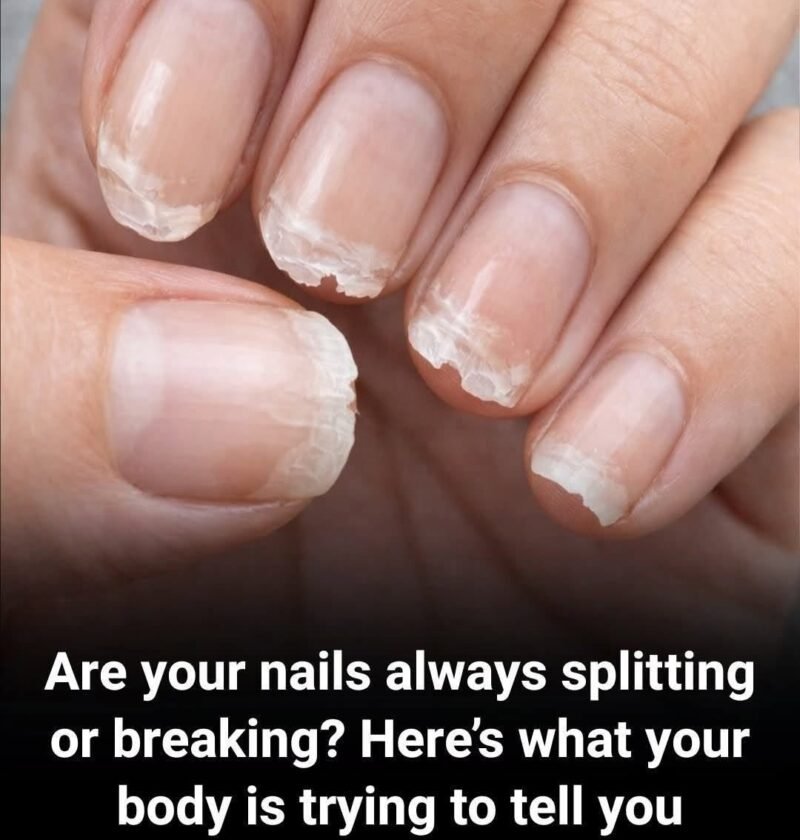
When your nails become weak, brittle, peeling, or prone to splitting, it can be frustrating—especially when they snag on everything. But your nails are actually quite revealing biological mirrors. Because nail growth is a continuous process, changes in their texture, strength, and appearance often provide early clues about what’s happening beneath the surface of your health.
1. Nutritional Deficiencies (The Most Common Culprits)
Your nails are made of a tough protein called keratin. To produce strong keratin, your body needs a steady supply of specific building blocks.
-
Iron Deficiency (Anemia): Low iron or ferritin levels can cause nails to become brittle, thin, or even develop a concave, “spoon-shaped” curve (koilonychia).
-
Biotin (Vitamin B7) and B-Complex: Biotin plays a direct role in keratin production. A deficiency can make nails dry, weak, and prone to splitting.
-
Zinc and Protein: Zinc is essential for cell growth and protein synthesis. Without enough zinc or overall dietary protein, nail growth slows down and structural integrity suffers.
2. Chronic Moisture Exposure (or Dehydration)
It sounds contradictory, but both too much water and too little water can wreck your nails.
-
The “Wet-Dry” Cycle: Frequently washing your hands, swimming, or doing dishes without gloves causes your nail plates to absorb water and then rapidly dry out. This constant expansion and contraction weakens the keratin bonds, leading to peeling and brittleness.
-
Systemic Dehydration: If you aren’t drinking enough water overall, your nails (along with your skin and hair) lose their natural moisture balance, becoming dry and brittle.
3. Harsh Chemical Exposure
Frequent exposure to drying chemicals can strip your nails of their natural protective oils:
-
Acetone-Based Nail Polish Removers: Acetone dissolves polish effectively, but it also aggressively strips moisture from the nail plate and surrounding cuticles.
-
Household Cleaning Agents: Strong detergents, bleach, and cleaning solvents break down nail proteins over time.
4. Underlying Medical Conditions
Sometimes, persistent brittle nails point to an internal health imbalance:
-
Thyroid Disorders: Both hypothyroidism (underactive thyroid) and hyperthyroidism slow down metabolic processes, which can reduce nail growth rate and lead to dry, brittle, or ridged nails.
-
Circulatory Issues: Poor blood flow to the extremities means your nail beds receive fewer nutrients and oxygen, impacting their strength.
Simple Steps to Strengthen Your Nails
-
Protect Your Hands: Wear rubber or silicone gloves when doing dishes, cleaning, or gardening.
-
Moisturize Constantly: Apply a rich hand cream or cuticle oil containing vitamin E, shea butter, or jojoba oil regularly—especially right after washing your hands.
-
Upgrade Your Remover: Switch to an acetone-free nail polish remover to minimize drying.
-
Support from Within: Focus on a balanced diet rich in lean proteins, leafy greens, nuts, seeds, and healthy fats. (Always consult a doctor before starting high-dose supplements like biotin or iron, as excess intake can mask other issues).