When looking for natural approaches to ease bone or joint discomfort while supporting mental well-being, the best strategies focus on reducing systemic inflammation, supporting structural integrity, and nourishing the nervous system through evidence-based nutrition and lifestyle adjustments.
Here is a look at natural ways to support both bone/joint health and mental health, along with why they work and when to seek medical evaluation.
1. Key Nutritional Building Blocks for Bones and Mood
-
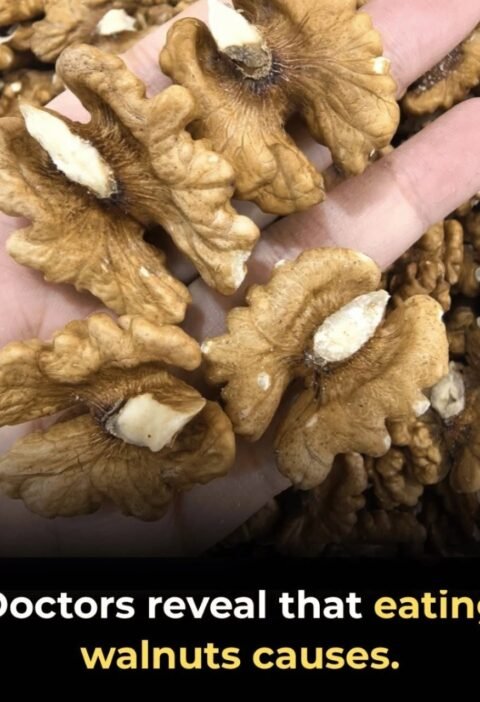
Omega-3 Fatty Acids (Found in Fatty Fish, Walnuts, Chia Seeds):
-
For Bone/Joints: Omega-3s possess potent anti-inflammatory properties that help reduce stiffness and joint tenderness.
-
For Mental Health: The brain is rich in omega-3 fats, which regulate neurotransmitters like serotonin and dopamine, helping to alleviate symptoms of anxiety and low mood.
-
-
Magnesium (Found in Leafy Greens, Nuts, Seeds, Dark Chocolate):
-
For Bone/Joints: Magnesium works alongside calcium and vitamin D to maintain bone density and helps relax tense skeletal muscles surrounding painful joints.
-
For Mental Health: Often called a natural “relaxant,” magnesium regulates the nervous system, supports stress resilience, and promotes restorative sleep.
-
-
Vitamin D3 and K2:
-
For Bone/Joints: Vitamin D enables calcium absorption, while Vitamin K2 directs that calcium into your bones rather than soft tissues or arteries.
-
For Mental Health: Low vitamin D receptors in the brain are frequently linked to seasonal low mood and fatigue.
-
2. Lifestyle Habits That Bridge Physical and Mental Well-Being
-
Low-Impact Movement (Walking, Swimming, Gentle Yoga):
-
Movement lubricates joints, circulates synovial fluid, and prevents stiffness. At the same time, aerobic exercise triggers the release of endorphins and brain-derived neurotrophic factor (BDNF), which naturally elevates mood and lowers stress hormones.
-
-
Anti-Inflammatory Dietary Patterns:
-
Diets rich in antioxidants (berries, turmeric, ginger, leafy greens) reduce chronic low-grade inflammation, which is increasingly recognized as a common denominator in both chronic pain conditions and mood disorders like depression.
-
-
Targeted Sunlight Exposure:
-
Spending 10 to 15 minutes outdoors in natural sunlight helps synthesize vitamin D for your bones while regulating your circadian rhythm, which profoundly impacts mood and energy levels.
-
Important Medical Note on Bone Pain
While minor joint stiffness from weather changes or mild overuse responds well to lifestyle care, true bone pain—a deep, dull ache that feels internal and persists regardless of movement or rest—should never be ignored. Unlike muscular soreness or joint arthritis, persistent bone pain requires a professional medical evaluation to rule out nutritional deficiencies, hormonal imbalances, or other underlying health conditions.