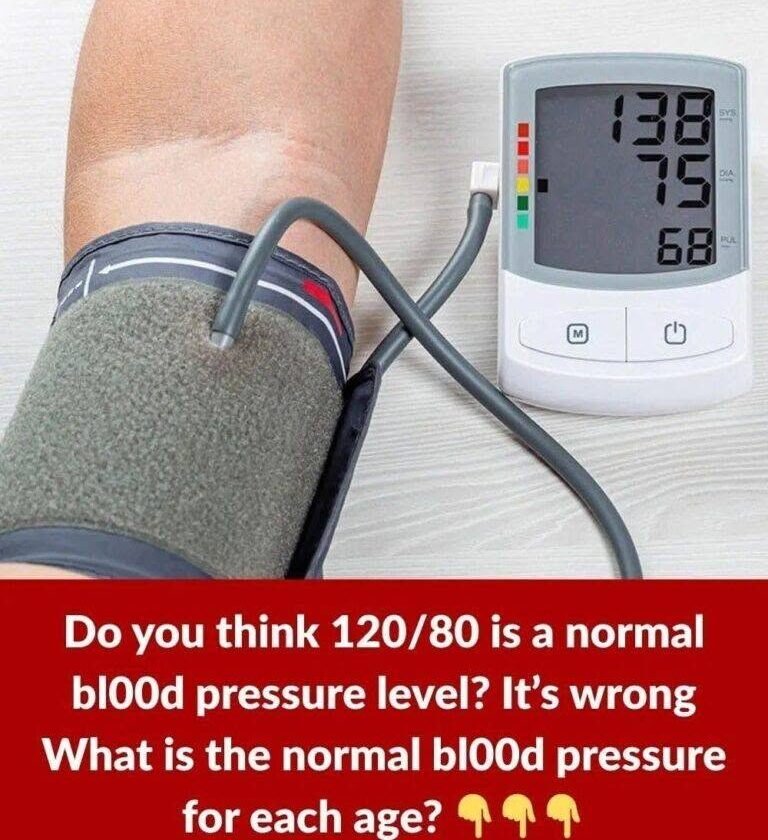
Normal blood pressure by age
A common misconception is that there is a different “normal” blood-pressure number for every age. For adults, blood-pressure categories are generally not assigned a higher normal target simply because someone is older.
For adults, using commonly used U.S. categories:
| Blood pressure | Systolic | Diastolic |
|---|---|---|
| Normal | <120 | and <80 |
| Elevated | 120–129 | and <80 |
| High (stage 1) | 130–139 | or 80–89 |
| High (stage 2) | ≥140 | or ≥90 |
| Severely high | ≥180 | and/or ≥120 |
These categories are for adults; children and adolescents have different age-, sex-, and height-based reference ranges.
What about people over 65?
Being 65, 75, or 85 doesn’t automatically make 150/90 “normal.” Treatment targets are individualized based on overall health, other illnesses, medications, fall risk, and how well the person tolerates treatment.
For a meaningful reading, sit quietly for about 5 minutes, keep your back supported and feet flat on the floor, and take two readings about a minute apart. A single unusual reading doesn’t necessarily mean you have hypertension.
🚨 When it’s urgent
If your blood pressure is 180/120 mmHg or higher, repeat it after a few minutes. If it remains that high, contact a healthcare professional promptly. If it is accompanied by chest pain, severe shortness of breath, weakness/numbness, vision changes, confusion, or difficulty speaking, seek emergency medical care.
If you give me your age and your recent blood-pressure readings (for example, 145/85), I can explain what they mean.