Viral health blogs and sensationalized wellness reels love to use dramatic, anxiety-inducing hooks like “What Is Your Stomach Pain Trying to Tell You? Signs You Shouldn’t Ignore…” to suggest that a simple bout of indigestion or gas is a secret, ticking time bomb of severe internal disease.
While abdominal discomfort is exceptionally common—and persistent pain certainly deserves proper medical attention—the human digestive tract is a complex, sensitive system. Not every cramp or rumble is a medical emergency, but knowing how to differentiate between everyday digestive friction and true clinical red flags is essential.
Here is a look at what actually causes common abdominal aches, why clickbait alarmism misses the mark, and when stomach pain genuinely warrants a doctor’s evaluation.
What Actually Causes Common Abdominal Discomfort?
Your abdomen houses multiple vital organ systems—including the stomach, small and large intestines, liver, gallbladder, pancreas, and kidneys—wrapped in layers of muscle and nerves. When pain or discomfort arises, it usually stems from one of a few common physiological triggers:
-
Gas and Intestinal Motility (Bloating and Cramping):
-
The Reality: Eating too quickly, swallowing air, consuming carbonated beverages, or digesting certain foods (like beans, dairy, or artificial sweeteners) can cause gas to build up in the intestines. As pockets of gas stretch the intestinal walls, they trigger sharp, shifting cramp-like pains.
-
-
Gastric Irritation (Indigestion / Dyspepsia):
-
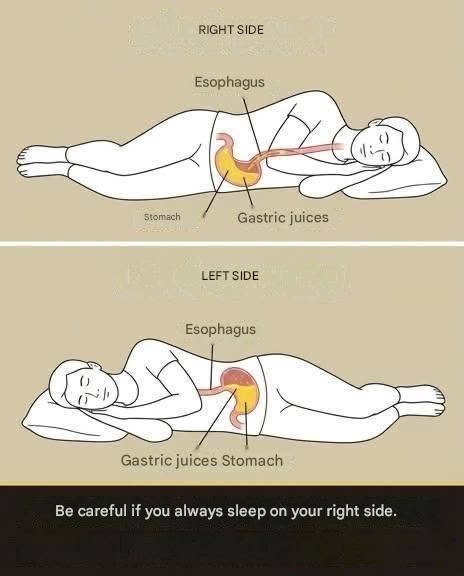
The Reality: Eating heavy, greasy, or spicy meals, or consuming too much caffeine or alcohol, can irritate the stomach lining or cause mild acid reflux, leading to a burning sensation or upper abdominal discomfort.
-
-
Visceral Hypersensitivity (Gut-Brain Axis):
-
The Reality: The gut has its own massive nervous system (the enteric nervous system) that communicates constantly with the brain. Stress, anxiety, and fatigue can literally heighten how the nerves in your gut perceive normal digestion, turning routine gut contractions into painful sensations (common in conditions like Irritable Bowel Syndrome, or IBS).
-
Where the “Warning Sign” Hyperbole Goes Wrong
Clickbait articles love to claim that any sharp stomach ache means your appendix is about to burst or your organs are failing. In reality, everyday functional gastrointestinal issues are harmless, self-limiting, and usually resolve on their own with a little time, hydration, or gentle movement. Attributing every mild burp or temporary cramp to a catastrophic disease only fuels unnecessary medical anxiety.
What Actually Helps Soothe Common Digestive Distress
Skip the panic-inducing medical theories. If you are dealing with routine gas, bloating, or mild indigestion, evidence-based self-care makes all the difference:
-
Gentle Movement: Walking helps stimulate peristalsis (the wave-like muscle contractions of the gut), helping trapped gas move through and out of the digestive tract.
-
Hydration: Sipping plain water or warm herbal tea (like peppermint or ginger) can help relax the gastrointestinal tract and soothe mild cramping.
-
Mindful Eating Habits: Eating slower, chewing thoroughly, and avoiding large meals right before lying down prevents excessive air swallowing and reduces acid reflux.
When to Actually Pay Attention (Clinical Red Flags)
While occasional, mild stomach aches are a normal part of having a digestive system, you should never ignore certain symptoms. Seek medical evaluation promptly if your abdominal pain is accompanied by any of these clinical red flags:
-
Severe, Sudden, or Worsening Pain: Pain that starts around the belly button and shifts sharply to the lower right side (a classic sign of appendicitis), or pain that is so intense it wakes you from sleep or doubles you over.
-
Gastrointestinal Bleeding: Vomiting blood (or material that looks like coffee grounds) or passing black, tarry, or visibly bloody stools.
-
Persistent Fever and Vomiting: Inability to keep fluids down due to continuous vomiting, accompanied by a fever.
-
Unintentional Weight Loss or Jaundice: Significant, unexplained weight loss alongside abdominal pain, or yellowing of the skin and eyes (jaundice), which points to liver or biliary tract issues.
Don’t let sensational headlines turn a routine bout of gas into a midnight panic—listening to your body, understanding your digestion, and knowing the true red flags will keep you safe and informed!