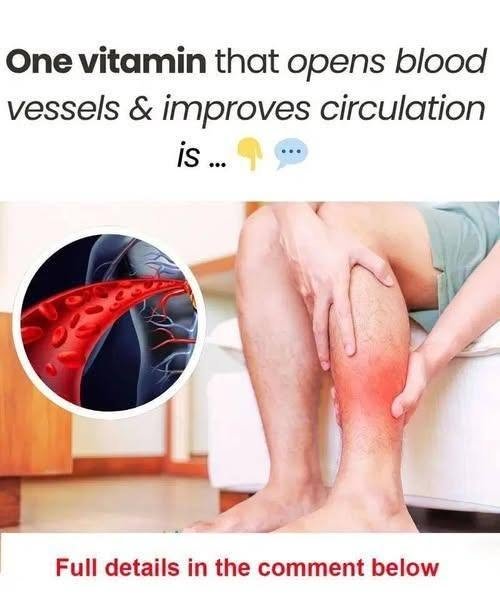
Viral wellness reels and sensationalized health blogs love to push the narrative of a single magic pill—promising that “one vitamin that opens blood vessels and improves circulation” will instantly clear your arteries, warm up cold feet, and reverse vascular issues overnight.
While proper nutrition is vital for cardiovascular health, human circulation and blood vessel dynamics are governed by complex hemodynamics, endothelial health, and systemic blood pressure—not by a single vitamin acting like a chemical plumbing solvent.
Here is a look at the nutrients that genuinely support healthy blood vessels, how your circulatory system actually regulates blood flow, and why the “one miracle vitamin” claim misses the mark.
What Actually Controls Blood Vessel Diameter and Circulation?
Blood vessels (arteries, veins, and capillaries) are not rigid pipes; they are dynamic, living tubes lined with a specialized layer of cells called the endothelium.
Your blood vessels constantly dilate (open up) and constrict in response to signals from your nervous system, hormones, and local metabolic needs. The key chemical messenger responsible for natural vasodilation (opening blood vessels) is nitric oxide ($\text{NO}$), a gas produced by the endothelium that signals the surrounding smooth muscle cells to relax.
The Nutrients That Actually Support Vascular Health
While no single vitamin instantly dilates blood vessels on its own, several specific vitamins and micronutrients play supporting roles in endothelial function and nitric oxide production:
-
Vitamin C:
-
Why it matters: Vitamin C is a powerful antioxidant that protects nitric oxide from being destroyed by free radicals in the bloodstream. By preserving nitric oxide, Vitamin C helps maintain the endothelium’s ability to naturally dilate blood vessels.
-
-
Niacin (Vitamin B3):
-
Why it matters: High doses of nicotinic acid (a form of niacin) cause a well-known phenomenon called the “niacin flush,” where small blood vessels (capillaries) near the skin’s surface dilate, causing temporary warmth and redness. However, medical professionals caution that taking high-dose niacin supplements solely for “improving circulation” does not clean out clogged arteries and can carry significant side effects.
-
-
Vitamin E:
-
Why it matters: As a fat-soluble antioxidant, Vitamin E helps protect cell membranes from oxidative stress and supports overall vascular integrity, though megadoses are not recommended without medical guidance.
-
-
L-Arginine and L-Citrulline (Amino Acids, Not Vitamins):
-
Why it matters: Often marketed alongside circulation supplements, these amino acids are the actual raw building blocks your body uses to synthesize nitric oxide.
-
Where the “Miracle Vitamin” Hyperbole Goes Wrong
Sensationalized ads often confuse temporary surface flushing (like the niacin flush or spicy foods opening sinus passages) with true, therapeutic improvement of chronic circulatory disorders like peripheral artery disease (PAD) or chronic venous insufficiency.
Swallowing a vitamin supplement will not reverse arterial plaque buildup (atherosclerosis), repair damaged venous valves, or replace the mechanical benefits of movement.
What Actually Improves Circulation
If you want to support healthy blood flow and keep your blood vessels resilient, evidence-based lifestyle habits far outweigh any single supplement:
-
Aerobic Exercise: Regular physical activity (like brisk walking, cycling, or swimming) forces your muscles to demand more oxygen, which stimulates your body to produce more nitric oxide and even grow new microscopic capillaries (angiogenesis).
-
Manage Blood Pressure and Cholesterol: Keeping your blood pressure within a healthy range and controlling LDL cholesterol prevents the stiffening and plaque accumulation that physically narrow your arteries.
-
Stay Hydrated: Adequate fluid intake maintains optimal blood volume and viscosity, allowing blood to flow smoothly through your vascular network.
-
Avoid Smoking: Nicotine is a potent vasoconstrictor; it directly causes blood vessels to constrict and damages the delicate endothelial lining, drastically impairing circulation.
When to See a Doctor
If you experience chronic poor circulation—such as persistent cold hands and feet, pain in your calves when walking that disappears with rest (claudication), or slow-healing sores on your lower extremities—do not rely on a vitamin supplement. Schedule an evaluation with your physician or a vascular specialist to properly assess your arterial and venous health!