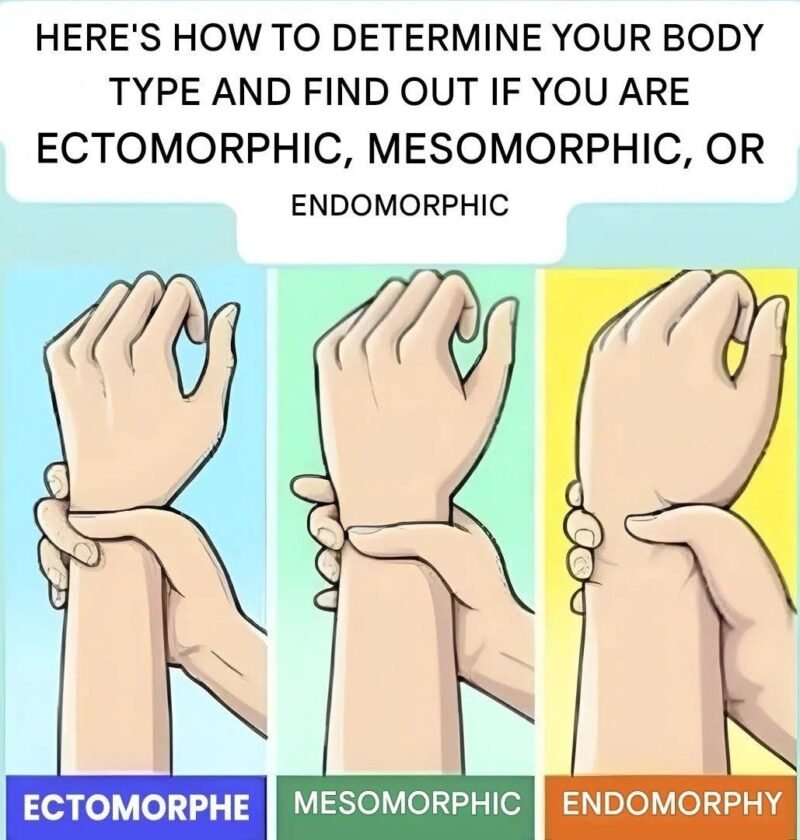
Ectomorph, mesomorph, or endomorph?
You may have heard that everyone falls into one of three body types:
-
Ectomorph: Traditionally described as a naturally slender build with relatively narrow shoulders/hips and less body mass.
-
Mesomorph: Traditionally described as a more muscular, athletic-looking build.
-
Endomorph: Traditionally described as a rounder or broader build with a tendency to carry more body fat.
But here’s the important part
These categories are not reliable scientific classifications for determining your metabolism, diet, or ideal workout. Most people have characteristics of more than one category, and body composition changes with age, training, nutrition, hormones, and lifestyle.
Instead of choosing a diet based on body type, match your approach to your goal:
For building muscle 💪
-
Do progressive resistance training.
-
Eat sufficient protein.
-
Consume enough calories to support growth.
-
Get adequate sleep and recovery.
For reducing body fat
-
Create a sustainable calorie deficit.
-
Prioritize protein and fiber-rich foods.
-
Continue resistance training to help preserve muscle.
-
Stay physically active.
For maintaining strength as you age
-
Combine resistance training with walking or other aerobic activity.
-
Include balance and mobility exercises.
-
Eat adequate protein and a nutrient-rich diet.
Bottom line
Being labeled an “ectomorph,” “mesomorph,” or “endomorph” doesn’t determine what your body can achieve. Your genetics matter, but your training, nutrition, activity, sleep, and consistency are much more useful when planning a healthy lifestyle.