Everyone Has Made This Mistake: What Is Normal Blood Pressure at Each Age?
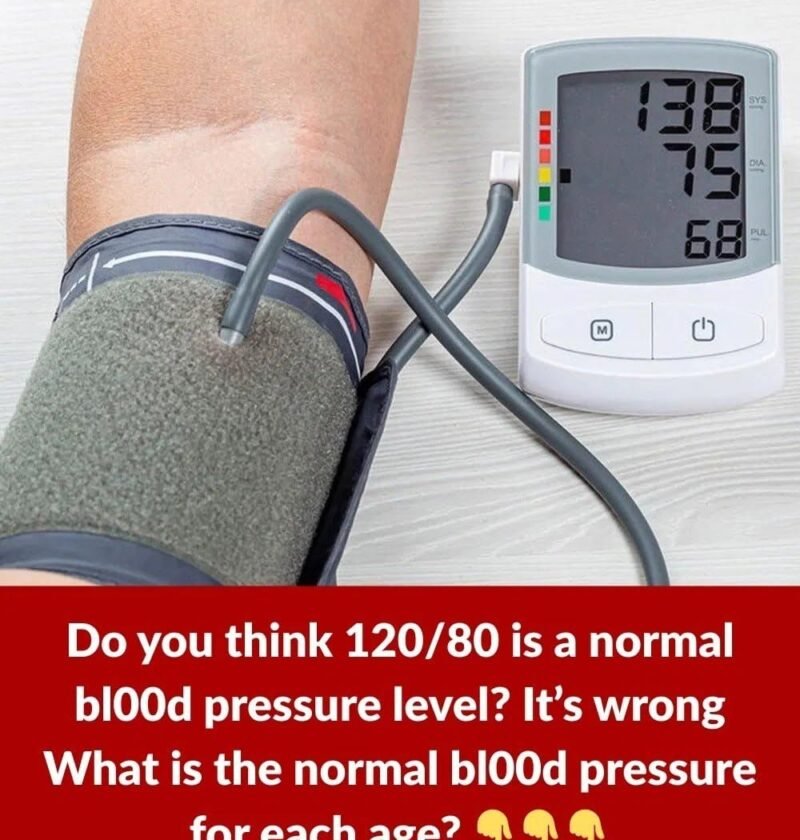
You may have seen charts claiming that your “normal” blood pressure should be a certain number based on your age. For adults, that isn’t how current guidelines classify blood pressure.
Instead, blood pressure is generally interpreted using the same adult categories, regardless of whether you’re 25, 55, or 75.
🩺 Adult Blood Pressure Categories
| Category | Systolic (top) | Diastolic (bottom) |
|---|---|---|
| Normal | Less than 120 | and less than 80 |
| Elevated | 120–129 | and less than 80 |
| Stage 1 hypertension | 130–139 | or 80–89 |
| Stage 2 hypertension | 140 or higher | or 90 or higher |
| Severely high | Higher than 180 | and/or higher than 120 |
A reading is categorized according to the higher category when the two numbers fall into different categories.
👵 What About Older Adults?
It’s a myth that high blood pressure automatically becomes “normal” simply because you’re older.
Older adults can have different treatment goals depending on their overall health, medications, frailty, and other medical conditions. A healthcare professional may therefore individualize a target rather than relying on an age-based chart.
⚠️ One Reading Doesn’t Tell the Whole Story
Blood pressure naturally changes throughout the day. A diagnosis of hypertension generally requires consistently elevated readings, rather than one isolated measurement.
For a more reliable home measurement:
- Sit quietly for several minutes first.
- Keep both feet flat on the floor.
- Support your arm at heart level.
- Use an appropriately sized upper-arm cuff.
- Take multiple readings as directed by your healthcare professional.
🚨 When Is It an Emergency?
If your blood pressure is higher than 180/120 mm Hg, repeat the measurement after a short rest. If it remains that high, contact a healthcare professional promptly.
If a reading above 180/120 is accompanied by symptoms such as chest pain, shortness of breath, weakness or numbness, vision changes, severe headache, or difficulty speaking, seek emergency medical care immediately.