What Toe Hair Actually Tells Doctors: Normal vs. Clinical Clues
| Toe Hair Pattern | What It Looks Like | What It Actually Means Medically |
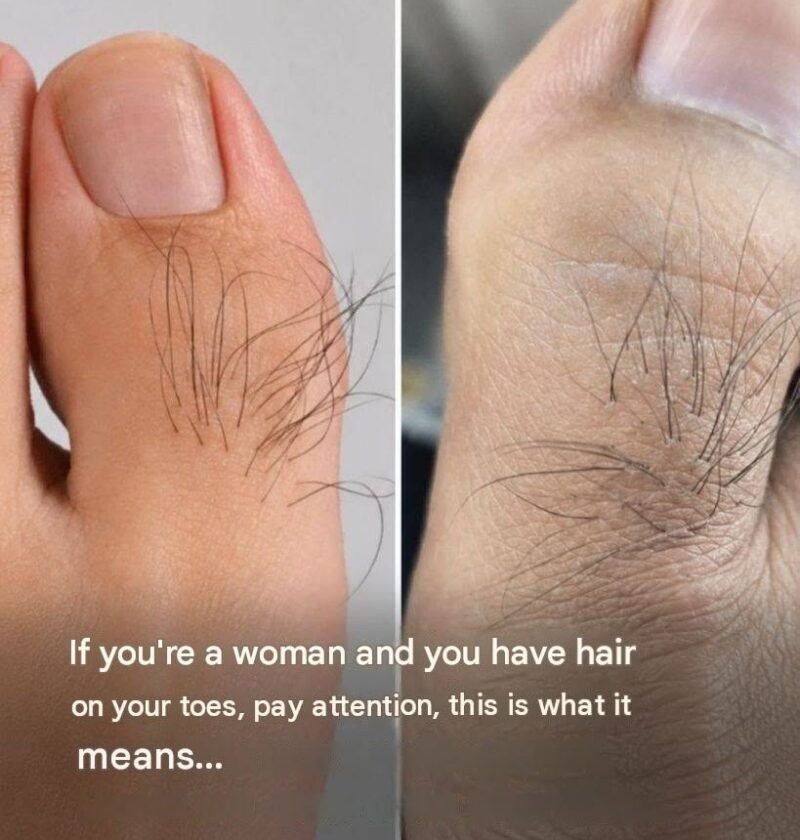
| A few fine or dark hairs on the big toes (steady over the years) | Scattered individual hairs on the tops of the toes or feet that stay consistent over time. | Completely normal & healthy: Hair follicles on the toes need steady oxygen and nutrients from small blood vessels—having normal toe hair actually indicates good peripheral circulation and normal genetic hair-follicle distribution. |
| Sudden loss of toe hair + smooth, shiny skin (if you previously had toe hair) | Hair on the toes and lower shins disappears, skin looks thin, shiny, or pale/bluish, and feet feel unusually cold. | Possible Peripheral Artery Disease (PAD): Narrowed leg arteries reduce blood flow to the feet, starving hair follicles—especially important to check if you also get calf cramping when walking that eases with rest, or slow-healing foot sores. |
| Thick, coarse dark hair spreading across toes, feet, chin, chest, or abdomen | Rapid new growth of thick pigmented (terminal) hair across multiple androgen-sensitive areas (hirsutism). | Possible hormone/androgen excess (such as PCOS or insulin resistance): Usually accompanied by other clues like irregular periods, persistent jawline acne, or thinning scalp hair—not just a couple of big-toe hairs. |
What Clickbait Foot-Hair Articles Get Wrong
-
Shaving, plucking, or trimming toe hair does NOT make it grow back thicker or darker: Hair shaft diameter and pigment are determined inside the follicle bulb beneath the skin; cutting or tweezing only blunts the tip temporarily so regrowth feels stubbly at first.
-
No kitchen paste or “foot detox” permanently stops normal toe hair: Household scrubs or vinegar soaks only irritate skin on the tops of the toes without changing hair follicles; if toe hair bothers you cosmetically, simple trimming, gentle tweezing, or professional laser/electrolysis (for healthy skin without circulation issues) is far safer.
Practical Foot Care & When to Get Checked
-
Leave normal toe hair alone—or trim/tweeze gently if you prefer: If you choose to remove stray toe hairs, use clean tweezers or small scissors rather than harsh chemical depilatory creams, which easily burn the thin skin on top of toes.
-
Check your feet periodically for real circulation clues: Especially if you have diabetes, high blood pressure, high cholesterol, or a smoking history, pay attention to warmth, skin color, nail thickness, and any cuts or blisters on your toes rather than worrying about normal hair growth.
When to see a doctor: Schedule a medical evaluation if you notice previously hairy toes and lower legs suddenly becoming hairless, smooth, and shiny, if your feet feel persistently cold or numb, if you develop calf pain when walking that stops with rest, or if thick dark hair is spreading rapidly across your toes, face, chest, or abdomen alongside irregular periods.