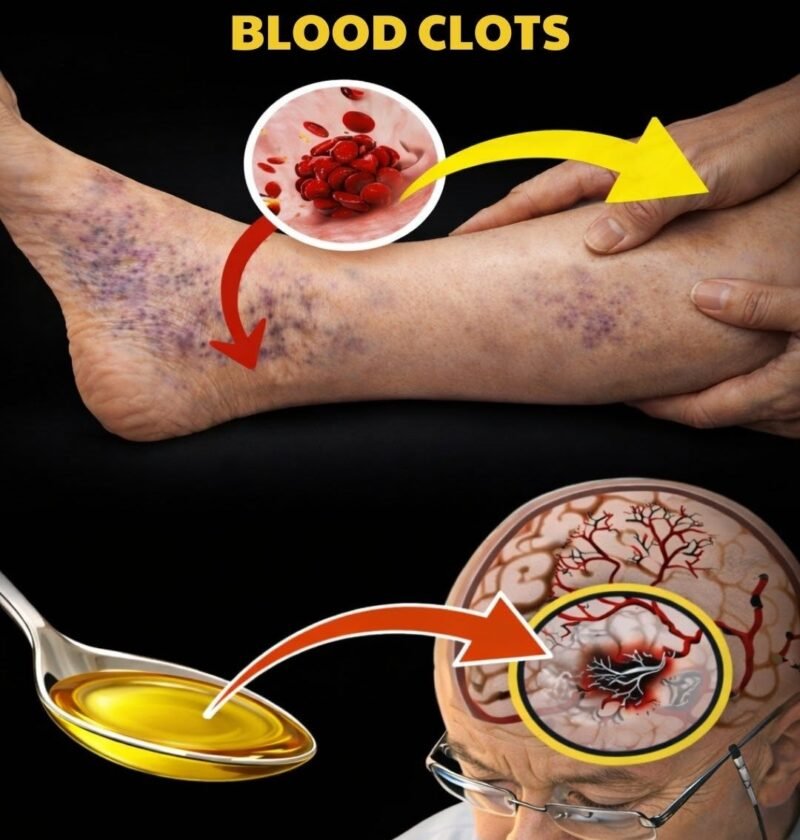
If by “blood clot management” you mean supporting healthy circulation and normal blood clotting, fruit can be part of a heart-healthy diet—but no fruit can dissolve an existing blood clot or replace anticoagulant medication.
8 fruits worth including
-
Berries — strawberries, blueberries, raspberries, and blackberries provide polyphenols and fiber.
-
Citrus fruits — oranges, grapefruit, lemons, and similar fruits provide vitamin C and other plant compounds. Grapefruit can interact with several medications.
-
Apples — a good source of fiber and flavonoids.
-
Pomegranates — rich in polyphenols and can be part of a balanced diet.
-
Grapes — contain polyphenols such as resveratrol.
-
Kiwi — provides vitamin C, fiber, and other nutrients.
-
Avocado — technically a fruit and provides fiber and predominantly unsaturated fats.
-
Cherries — contain anthocyanins and other antioxidant compounds.
Important distinction
If you’re taking warfarin or another blood thinner, don’t make major dietary changes based on a “blood-thinning foods” list. Consistency is important with warfarin, and some supplements or concentrated fruit products may interact with medications.
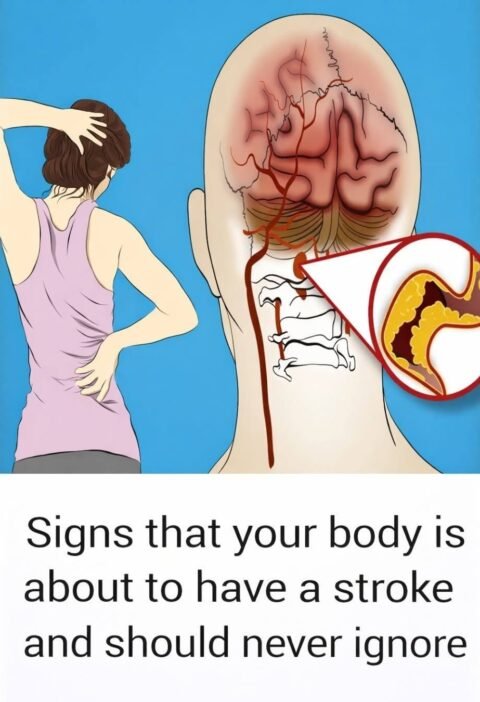
And if you have symptoms suggesting a clot—such as sudden leg swelling and pain, coughing up blood, sudden shortness of breath, chest pain, or sudden neurological symptoms—seek emergency medical care. Food is not a treatment for an acute clot.