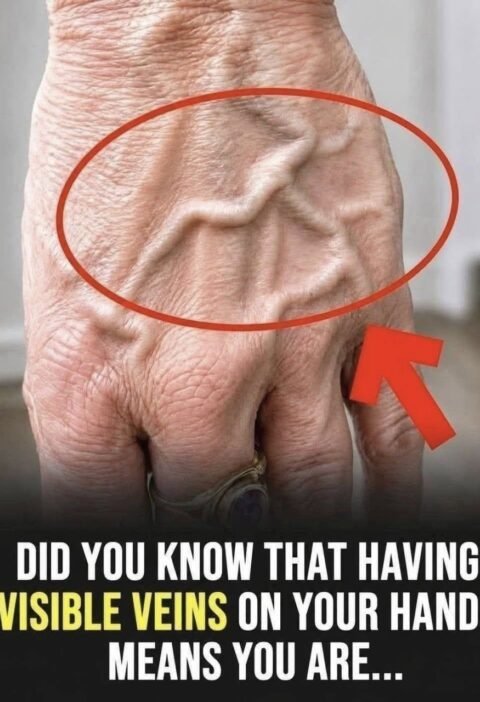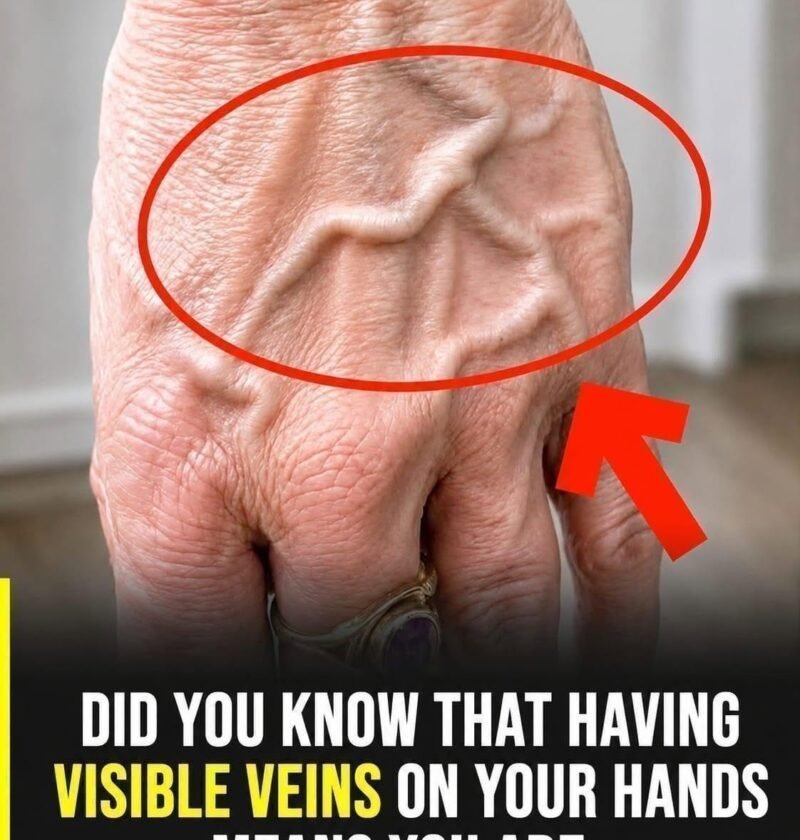
When a headline ends with “Did you know that having visible veins means you are… See more,” it is almost always setting up a punchy, one-size-fits-all label—like “dehydrated,” “super healthy,” “low body fat,” or “at risk for a blood clot.”
In reality, visible veins do not automatically mean any single thing. How prominent your superficial veins look is mostly a reflection of skin thickness, body fat, genetics, blood pressure/flow changes, and temperature—not a definitive diagnostic badge.
What Actually Makes Veins More Visible?
-
Fair or Thin Skin: Lighter skin tones and thinner subcutaneous layers let bluish or greenish veins show through more easily. As people age, skin naturally thins and loses some elasticity and underlying padding, making veins on the hands, arms, and legs more noticeable.
-
Lower Subcutaneous Body Fat: A thinner layer of fat between the skin and the underlying veins means less tissue cushioning hiding them. That is why lean individuals and strength athletes often see prominent veins during or after exercise—not because their veins suddenly grew larger, but because there is less fat covering them and temporary blood-flow increases push them closer to the surface.
-
Heat and Exercise: Warm weather or physical exertion causes blood vessels to dilate (vasodilation) and increases blood flow to help cool the body, temporarily making surface veins pop out.
-
Genetics: Just like height, skin tone, or freckling, vein size, depth, and visibility run heavily in families.
-
Gravity and Posture: Letting your arms hang down or standing for long stretches increases venous pressure in the lower extremities, making veins look fuller until you elevate them.
When Visible Veins Are Worth Paying Attention To
Most visible veins—especially on the backs of the hands or forearms—are completely harmless variations of normal anatomy. However, a doctor looks closer when vein changes come with specific patterns or symptoms:
-
Varicose Veins: Enlarged, twisted, ropy veins (most often on the legs) caused by weakened or leaky one-way valves that let blood pool slightly. They can cause aching, heaviness, throbbing, or ankle swelling, especially after standing.
-
Sudden Swelling, Warmth, or Tenderness: A single limb suddenly swelling, feeling warm or firm/tender along a vein, or turning red/discolored warrants prompt medical evaluation to rule out superficial thrombophlebitis or deep vein thrombosis (DVT).
-
New or Rapid Changes: Veins that suddenly bulge alongside other symptoms—like shortness of breath, chest discomfort, or persistent leg swelling—should be checked promptly.
Cutting Through “See More” Vein Myths
-
Not Automatically “Dehydrated”: While mild dehydration can slightly reduce blood volume and sometimes make veins look flatter or less prominent, prominent veins on their own are not a reliable sign of dehydration.
-
Not Automatically a Disease: Seeing veins on your hands or arms does not mean you have poor circulation or a cardiovascular problem.
-
Context Wins Every Time: Location, whether they are flat or bulging/twisted, and whether you have pain, swelling, or skin changes matter far more than any viral headline’s single-word conclusion.