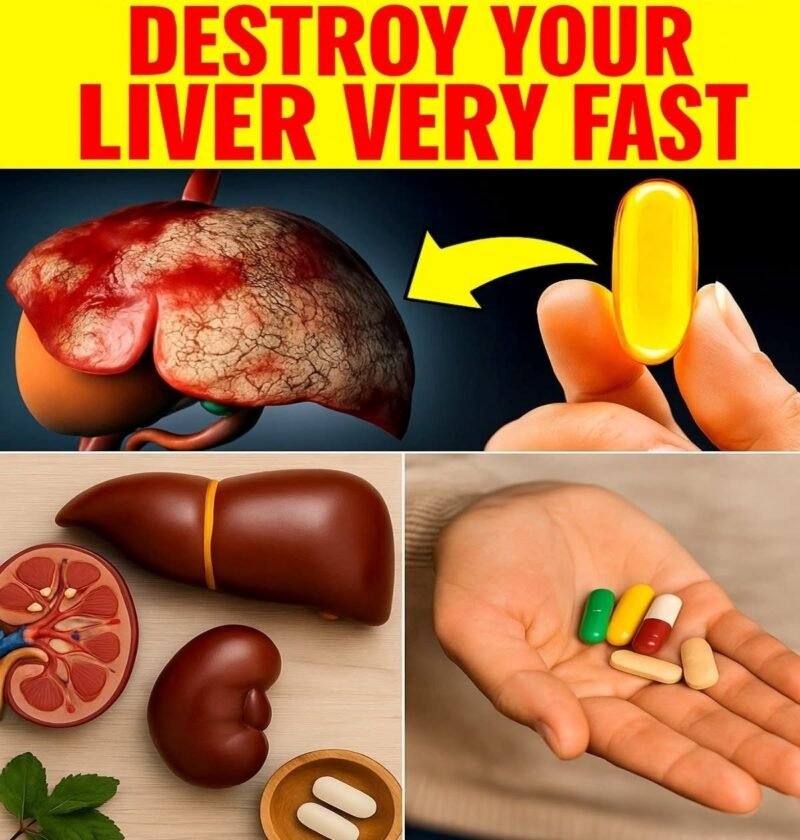
Supplements Linked to Liver Stress or Injury
-
Green Tea Extract: While drinking brewed green tea is safe, concentrated weight-loss pills containing high doses of can cause acute liver inflammation, especially when taken on an empty stomach.
-
Niacin (Vitamin B3): High-dose, sustained-release niacin (often 1,000 mg or more per day) used to manage cholesterol can cause severe liver toxicity. Standard doses found in daily multivitamins (around 15–20 mg) do not carry this risk.
-
Vitamin A: Because it is fat-soluble, excess Vitamin A builds up in the liver rather than flushing out in urine. Long-term daily intake above the upper limit of 3,000 mcg (10,000 IU) can lead to liver fibrosis and permanent damage.
-
Turmeric / Curcumin (High-Bioavailability Formulas): Culinary turmeric is safe, but high-dose supplements paired with black pepper extract () have been linked to rising cases of liver injury in genetically susceptible people.
-
Kava and Comfrey: Both herbal supplements carry well-documented risks of severe liver damage. Comfrey contains and is banned for oral use in many countries.
Supplements Linked to Kidney Strain or Damage
-
Vitamin C (Megadoses): Taking more than 2,000 mg per day causes the body to convert excess Vitamin C into . People with a history of kidney stones or chronic kidney disease face the highest risk.
-
Vitamin D (Excessive Dosing): Taking extreme doses (typically over 10,000–40,000 IU daily for months) causes dangerous calcium buildup in the blood (), leading to kidney stones and reduced kidney function.
-
Creatine (In Pre-Existing Kidney Disease): Creatine is safe for healthy kidneys, though it temporarily raises blood creatinine levels on lab tests without causing harm. However, people with pre-existing kidney impairment should avoid it unless cleared by a nephrologist.
-
Herbal Weight-Loss & Detox Teas: Unregulated slimming teas or traditional herbal blends occasionally contain , undisclosed diuretics, or heavy metals like lead and mercury.
Safe Supplement Habits
-
Check the Upper Limit: Look up the Tolerable Upper Intake Level (UL) before taking single-ingredient vitamins.
-
Watch for Overlap: Taking a multivitamin alongside an immunity booster, hair/skin gummy, and energy drink often pushes Vitamin A, B3, or C well past safe thresholds.
-
Look for Third-Party Testing: Choose supplements verified by independent labs (such as USP, NSF International, or ConsumerLab) to ensure the bottle contains what the label claims without heavy metal contamination.