Serious Side Effects (Seek Prompt Medical Care)
-
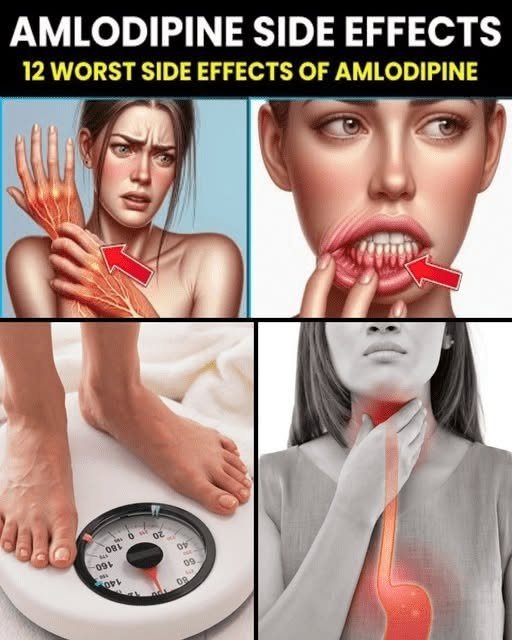
Severe Swelling of the Face, Lips, or Throat: Sudden swelling around the mouth, tongue, or airway accompanied by difficulty breathing or swallowing indicates , a medical emergency.
-
Worsening Chest Pain or Heart Attack Symptoms: Ironically, when first starting amlodipine or increasing the dose, a small percentage of patients with severe may experience increased angina or a heart attack.
-
Severe Dizziness or Fainting: While mild lightheadedness is common when standing up quickly, actually passing out () means your blood pressure may be dropping too low.
-
Rapid, Pounding, or Irregular Heartbeat: Noticeable or an unusually fast resting heart rate should be evaluated by your prescribing doctor.
-
Yellowing of the Skin or Eyes: , accompanied by dark urine or severe upper-right abdominal pain, can rarely indicate liver inflammation or elevated liver enzymes.
-
Severe Skin Reactions: Widespread blistering, peeling skin, or a painful red/purple rash requires immediate discontinuation under medical guidance.
Common Side Effects (Discuss With Your Doctor)
-
Swelling in the Ankles and Feet: Known as , this is the single most common side effect of amlodipine. It happens because the drug dilates arteries more than veins, pushing fluid into surrounding tissues—not because your kidneys or heart are failing.
-
Flushing: A sudden feeling of warmth and redness in the face or neck caused by widened blood vessels.
-
Unusual Fatigue or Drowsiness: Feeling overly tired or sluggish, especially during the first few weeks as your body adjusts to lower blood pressure.
-
Mild Dizziness or Lightheadedness: Most noticeable when rising from a sitting or lying position.
-
Stomach Pain or Nausea: Mild abdominal discomfort, indigestion, or changes in bowel habits.
-
Muscle Cramps or Joint Stiffness: Occasional aching in the legs or general muscle fatigue.
Important: Never stop taking amlodipine suddenly on your own. If side effects like ankle swelling are bothering you, ask your doctor about lowering the dose or pairing it with another class of blood pressure medication (such as an ACE inhibitor or ARB), which actually counteracts amlodipine-induced swelling.