Normal Blood Pressure by Life Stage
1. Children and Adolescents (By Age Group)
| Age Group | Typical Normal Range (Systolic / Diastolic) | Notes |
| Newborns (0–1 month) | 60–90 / 20–60 mmHg | Rises rapidly during the first weeks of life |
| Infants (1–12 months) | 70–100 / 50–70 mmHg | Varies with activity and crying |
| Toddlers (1–3 years) | 80–110 / 50–80 mmHg | Checked routinely starting around age 3 |
| Preschool (3–5 years) | 80–110 / 50–80 mmHg | Evaluated against pediatric height charts |
| School-Age (6–12 years) | 85–120 / 55–80 mmHg | Approaches adult levels in taller children |
| Adolescents (13+ years) | Less than 120 / 80 mmHg | Graded using the standard adult categories |
2. Adults (Ages 18 to 80+): Standard Medical Categories
| Category | Systolic (Top Number) | Diastolic (Bottom Number) | What It Means | |
| Normal | Less than 120 mmHg | and | Less than 80 mmHg | Ideal range for long-term heart, brain, and kidney protection |
| Elevated | 120–129 mmHg | and | Less than 80 mmHg | Early warning zone; lifestyle adjustments help prevent hypertension |
| Stage 1 Hypertension | 130–139 mmHg | or | 80–89 mmHg | Lifestyle changes recommended; medication added if cardiovascular risk is elevated |
| Stage 2 Hypertension | 140 mmHg or higher | or | 90 mmHg or higher | Requires consistent medical management and usually blood pressure medication |
| Hypertensive Crisis | Higher than 180 mmHg | and/or | Higher than 120 mmHg | Seek urgent medical care—immediately if accompanied by chest pain, shortness of breath, vision changes, or numbness |
Why “Age-Adjusted” Blood Pressure Charts Online Can Be Misleading
-
Average Is Not the Same as Healthy: Many viral charts list “135/85” or “140/90” as “normal for a 65-year-old.” Those tables show population averages (what many older people happen to have), not what is safe. Clinical trials such as the SPRINT trial demonstrated that keeping systolic blood pressure closer to 120–130 mmHg significantly reduces strokes, heart attacks, and heart failure in older adults too.
-
The One Exception — Frailty or Dizziness in Very Elderly Adults (80+): While the definition of normal blood pressure does not change at age 80, doctors often personalize treatment targets (for example, aiming for below 130–140 mmHg systolic) in frail seniors or those prone to standing dizziness (orthostatic hypotension) so blood pressure pills do not cause falls.
-
Low Blood Pressure (Hypotension): Readings below 90/60 mmHg are fine if a fit adult feels completely well, but require medical review if they cause dizziness, fainting, blurred vision, or fatigue.
How to Get an Accurate Reading at Home
-
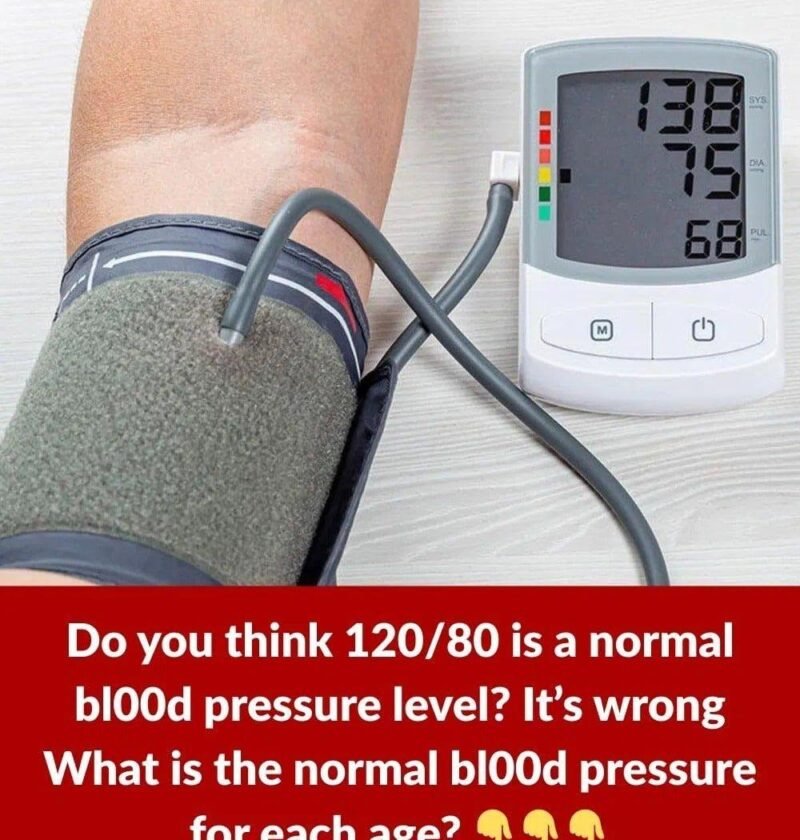
Rest quietly for 5 minutes before turning on the monitor (avoid caffeine, exercise, and smoking for 30 minutes beforehand).
-
Sit with your back supported, feet flat on the floor, and legs uncrossed.
-
Support your bare arm on a table at heart level, using a properly sized upper-arm cuff (wrist monitors are much more prone to positioning error).
-
Take two readings 1 minute apart and record the average.