What Actually Makes Veins More Visible
-
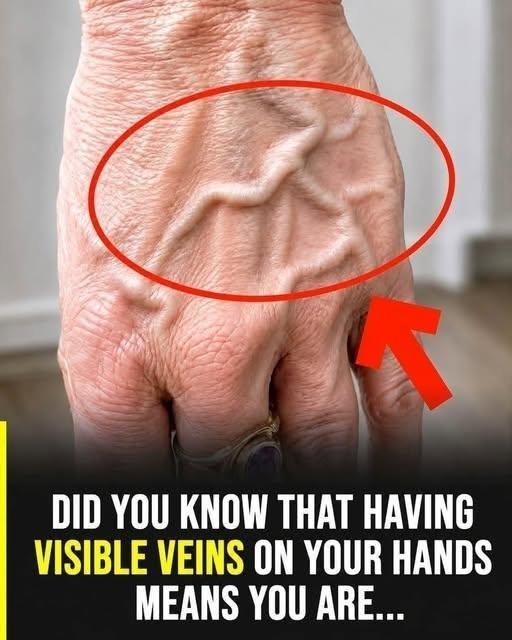
Low Subcutaneous Body Fat: Less fat between the skin and underlying muscles leaves superficial veins closer to the surface—very common in lean, active, or athletic people.
-
Fair or Thin Skin (Including Normal Aging): Lighter skin tones show blue-green deoxygenated blood vessels more easily, and natural collagen thinning with age makes hand and forearm veins more prominent.
-
Heat, Exercise, and Hydration Status: Warm weather and workouts dilate blood vessels (vasodilation) and boost blood flow, temporarily making veins bulge—often called “vascularity” in fitness.
-
Genetics and Vein Size: Some people naturally inherit larger or more superficial surface veins without any medical problem.
-
Pregnancy or Hormonal Shifts: Blood volume rises by roughly 30%–50% during pregnancy, temporarily making veins on the chest, abdomen, and legs much more noticeable.
When Visible Veins Do Warrant a Medical Check
-
Twisted, Rope-Like, Bulging Leg Veins (): Especially when paired with aching, heavy legs, ankle swelling, skin darkening near the ankles, or throbbing after standing.
-
Sudden Redness, Warmth, Swelling, or Tenderness Along a Vein: Can indicate superficial or a deeper clot requiring prompt evaluation.
-
New Spider-Like Clusters on the Upper Chest or Abdomen: Numerous dilated veins across the belly or upper torso alongside yellowing skin/eyes or abdominal swelling can signal liver or deeper vein pressure issues.