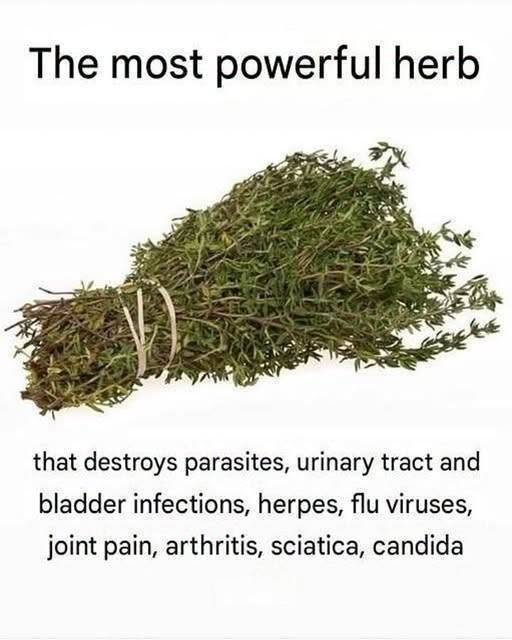
Which Herbs Those Clickbait Articles Usually Name (And What Science Actually Shows)
-
Oregano / Oil of Oregano (Carvacrol & Thymol):
-
The claim: “Kills all parasites and wipes out UTIs overnight.”
-
The evidence: In petri dishes, oregano compounds show antimicrobial activity against certain bacteria and protozoa. In humans, there are no high-quality clinical trials proving oregano oil cures UTIs or intestinal parasites, and undiluted oregano oil can severely burn the mouth, esophagus, and stomach lining.
-
-
Garlic (Allicin):
-
The claim: “Natural antibiotic that clears worms and bladder infections.”
-
The evidence: Garlic shows mild antimicrobial properties in lab tests, but eating garlic or taking garlic pills does not reliably eradicate human intestinal worms, protozoa, or bacterial UTIs.
-
-
Wormwood (Artemisia absinthium), Black Walnut Hull, and Clove:
-
The claim: The classic viral “parasite cleanse” trio.
-
The evidence: While prescription drugs derived from sweet wormwood (artemisinin) treat malaria, over-the-counter wormwood supplements are not proven safe or effective for human gut parasites. Wormwood contains thujone (a neurotoxin that can trigger seizures and kidney damage), and black walnut/high-dose clove can cause liver toxicity.
-
-
Parsley, Dandelion, or Cranberry (For Urinary Tract Claims):
-
The claim: “Flushes out urinary tract infections naturally.”
-
The evidence: Parsley and dandelion act as mild diuretics (increasing urine volume), and cranberry proanthocyanidins (PACs) can help prevent bacteria (E. coli) from sticking to the bladder wall in people with recurrent UTIs—but neither cranberries nor herbs can cure an active UTI once bacteria have multiplied.
-
Why “One Herb For Both Parasites and UTIs” Is a Medical Red Flag
-
Completely Different Organisms Require Targeted Treatment:
-
UTIs are usually caused by bacteria (most commonly E. coli) entering the urethra and bladder—requiring targeted prescription antibiotics based on urine testing.
-
Intestinal parasites fall into completely different biological classes—such as single-celled protozoa (Giardia, Entamoeba histolytica) versus multicellular worms/helminths (pinworms, roundworms, tapeworms)—each requiring specific antiparasitic medicines (like albendazole, mebendazole, or metronidazole).
-
-
Untreated UTIs Can Reach the Kidneys: Delaying antibiotics while trying herbal teas or oils allows a simple bladder infection to ascend into pyelonephritis (kidney infection), which causes high fever, back/flank pain, and potential kidney damage.
-
“Parasite Cleanse” Symptoms Are Usually Gut Irritation: Viral videos claiming herbal cleanses make you “pass worms” almost always show mucus strands, shed intestinal lining, or clumped psyllium fiber caused by harsh herbal laxatives—not actual parasites.
Evidence-Based Steps If You Suspect a UTI or Parasites
-
For UTI Symptoms (burning urination, frequent urge, cloudy/strong-smelling urine): Drink plenty of water and get a urine routine exam (R/E) and urine culture so a doctor can prescribe the exact short-course antibiotic that clears the bacteria safely.
-
For Suspected Parasites (persistent diarrhea, bloating, unexplained weight loss, or anal itching): Ask a doctor for a stool routine/ova & parasite (O&P) test before taking any anti-parasitic medicine or herbal cleanse, so the exact organism is confirmed and treated in a few targeted doses.
-
Seek Urgent Care Immediately If You Have: Fever, chills, lower back or side pain, nausea/vomiting, or visible blood in urine or stool.