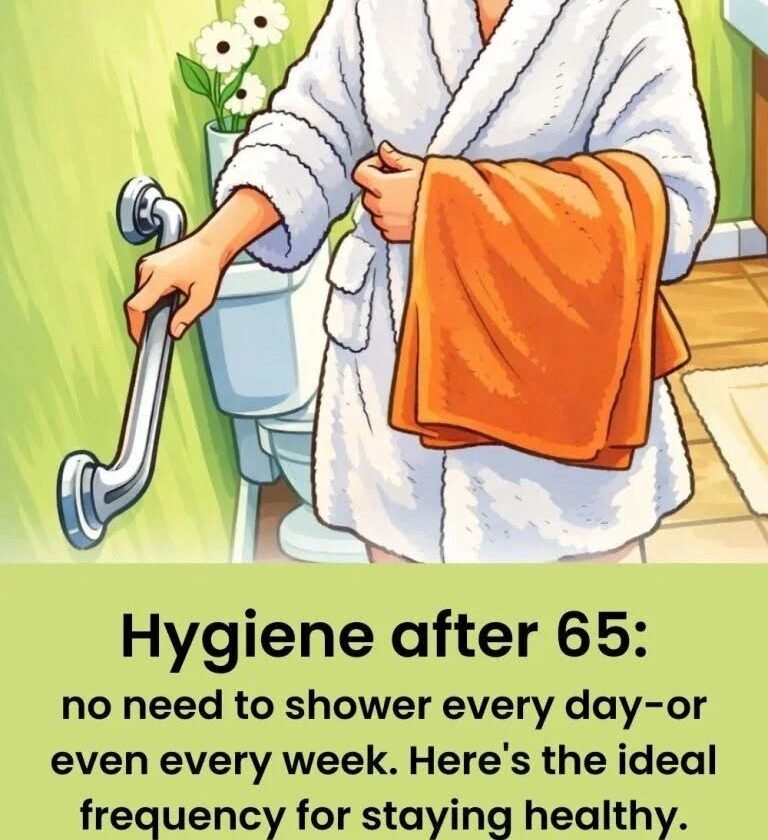
Why Daily Showers After 65 May Do More Harm Than Good
As we grow older, our bodies change in ways we may not immediately notice. One surprising change affects something we do almost every day: taking a shower. While regular bathing is important for hygiene, showering every day after age 65 may not be necessary for everyone—and in some cases, it can contribute to dry, itchy, and irritated skin.
The good news is that a few simple adjustments can help older adults stay clean, comfortable, and healthy without putting unnecessary stress on their skin.
1. Your Skin Becomes Thinner and More Delicate
As we age, our skin naturally becomes thinner and produces less oil. This protective oil helps retain moisture and keeps the skin soft.
Frequent showers, particularly with hot water and strong soaps, can remove these natural oils. The result may be dryness, flaking, itching, and increased sensitivity.
What helps: Use lukewarm water and a gentle, fragrance-free cleanser.
2. Hot Water Can Make Dry Skin Worse
A long, hot shower might feel relaxing, especially during cold weather. However, hot water can strip away the skin’s protective oils and worsen age-related dryness.
Older adults may notice tightness or itching after bathing, particularly on their arms, legs, and back.
What helps: Keep showers relatively short, around 5–10 minutes, and avoid very hot water.
3. Daily Soap Can Irritate Sensitive Skin
Using soap over the entire body every day may be unnecessary for some older adults. Strong fragrances, antibacterial cleansers, and harsh detergents can irritate sensitive skin.
This does not mean you should stop washing. Areas that accumulate sweat, oil, and bacteria still need regular cleaning.
What helps: Focus on the armpits, groin, feet, face, and other areas that need cleansing. Choose a mild, moisturizing cleanser.
4. Frequent Showering May Increase Itching
Dry skin is a common cause of itching in older adults. Repeated exposure to hot water and cleansers can make the problem worse.
Scratching itchy skin may lead to small wounds, bleeding, or infection, especially when the skin is fragile.
What helps: Apply a thick, fragrance-free moisturizer immediately after bathing while your skin is still slightly damp.
Persistent itching should be discussed with a healthcare professional because medications and certain medical conditions can also cause it.
5. Showering Can Increase the Risk of Falls
Bathrooms can be slippery, and stepping into or out of a shower may become more difficult with age. Balance problems, reduced muscle strength, poor eyesight, and certain medications can increase the risk of falling.
A bathroom fall can result in serious injuries, including fractures and head injuries.
What helps: Install grab bars, use a nonslip bath mat, ensure adequate lighting, and consider a shower chair if standing is difficult.
6. Long Showers May Cause Dizziness
Hot showers can widen blood vessels and sometimes contribute to a drop in blood pressure. Some older adults may experience lightheadedness or weakness, particularly if they are dehydrated or take medications that affect blood pressure.
What helps: Use comfortably warm water, avoid prolonged showers, and sit down if you feel dizzy. Recurrent dizziness deserves medical evaluation.
7. Your Skin Needs Time to Maintain Its Protective Barrier
The outer layer of your skin helps keep moisture in and irritants out. Excessive washing, harsh products, and repeated hot-water exposure can disrupt this barrier.
This may leave the skin more vulnerable to irritation and worsen existing conditions such as eczema.
What helps: Use a gentle cleanser, moisturize daily, and avoid scrubbing the skin aggressively.
8. You May Not Need a Full Shower Every Day
Bathing needs differ from person to person. Someone who exercises, sweats heavily, works outdoors, or becomes soiled may need to shower more frequently than someone who is relatively inactive.
For some older adults, a full shower every other day—or less often when appropriate—may be comfortable, provided essential areas are cleaned regularly.
What helps: Consider your activity level, skin condition, personal comfort, and medical needs rather than following a rigid schedule