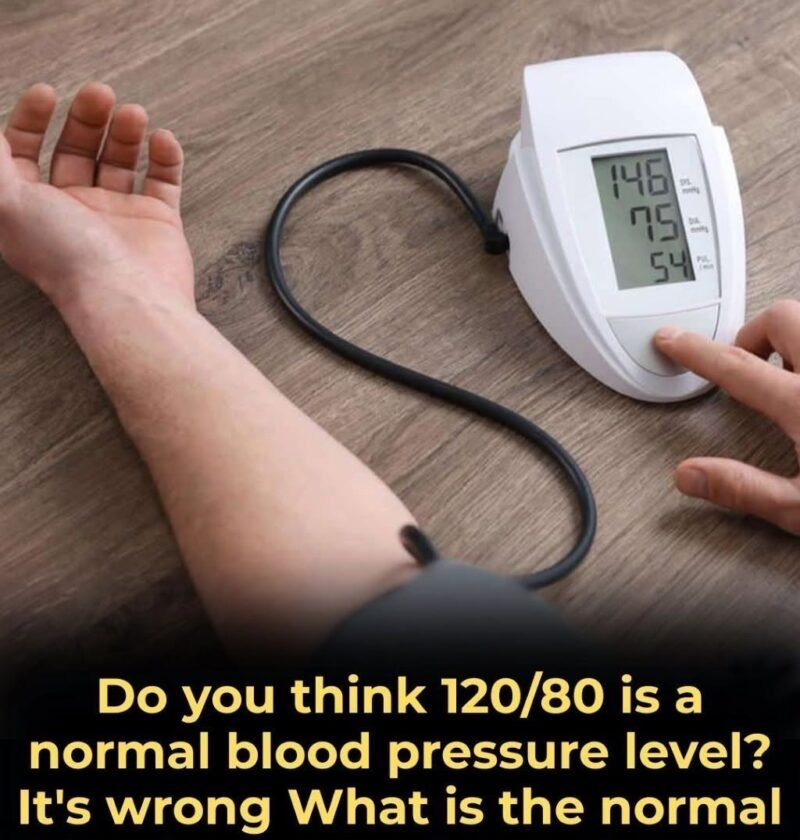
There isn’t a separate “normal” blood-pressure number for every age. For adults, the same general categories apply across age groups, although doctors may set individualized treatment targets for older people.
Blood pressure by age
| Age | General guide |
|---|---|
| 18–39 | Normal: below 120/80 mmHg |
| 40–59 | Normal: below 120/80 mmHg |
| 60–79 | Normal: below 120/80 mmHg |
| 80+ | No separate universal “normal”; targets are individualized |
For adults, readings are generally categorized as:
-
Normal: <120/80
-
Elevated: 120–129 and <80
-
High (Stage 1): 130–139 or 80–89
-
High (Stage 2): ≥140 or ≥90
A single reading isn’t enough to diagnose hypertension. Blood pressure should be measured correctly and assessed using repeated readings.
Children are different: their normal blood pressure depends on age, sex, and height.
If you give me an age + reading (for example, 72 years old, 155/85), I can tell you what that particular number means.