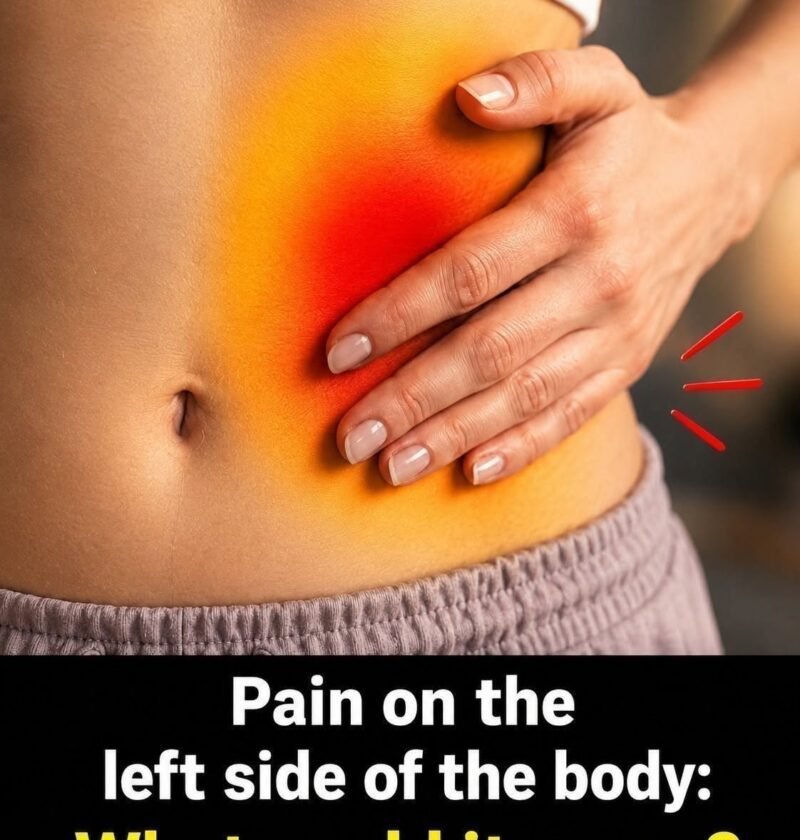
Experiencing pain on the left side of your body can range from a minor muscle strain to a medical emergency, depending on the exact location, intensity, and accompanying symptoms. Because vital organs—including your heart, spleen, pancreas, and a large portion of your gastrointestinal tract—are located on the left side, it is important to pay close attention to warning signs.
Potential Causes by Location
1. Upper Left Chest and Abdomen
-
Heart Conditions: The most critical concern for left-sided chest pain is angina or a heart attack (myocardial infarction). Pain or pressure may radiate down the left arm, into the jaw, neck, or back.
-
Gastritis, Acid Reflux (GERD), or Stomach Ulcers: Inflammation or irritation of the stomach lining often manifests as a burning sensation or ache in the upper left abdomen, frequently triggered or worsened by eating.
-
Enlarged or Ruptured Spleen: The spleen sits in the upper left abdomen just under the ribcage. Trauma, certain infections (like mononucleosis), or blood disorders can cause it to enlarge or cause sharp pain.
-
Splenic Flexure Syndrome: Gas trapped in the sharp bend of the colon under the left ribs can cause sudden, sharp cramping pain that mimics heart or lung issues.
2. Lower Left Abdomen
-
Diverticulitis: This is one of the most common causes of lower left abdominal pain. It occurs when small pouches (diverticula) in the wall of the large intestine become inflamed or infected.
-
Kidney Stones or Infection: A kidney stone passing through the left ureter or a left-sided urinary tract infection can cause sharp, severe flank pain radiating to the groin.
-
Gynecological Issues (for those with female anatomy): Conditions such as an ovarian cyst on the left side, endometriosis, or ectopic pregnancy can cause localized lower left pelvic pain.
3. Left Arm, Shoulder, and Leg
-
Referred Cardiac Pain: Pain originating from the heart can frequently refer down the left arm or shoulder blade, even if there is no distinct chest discomfort.
-
Musculoskeletal Strain: Rotator cuff injuries, bursitis, or general muscle strain in the left shoulder or arm from physical activity or poor posture.
-
Deep Vein Thrombosis (DVT): Pain, swelling, and redness in the left leg can indicate a blood clot in a deep vein, which requires immediate medical evaluation.
When to Seek Emergency Medical Attention (Red Flags)
Call emergency services (such as 911) or go to the nearest emergency room immediately if left-sided pain is accompanied by any of the following symptoms:
-
Crushing, pressure, squeezing, or tight pain in the chest, center of the chest, or upper back.
-
Pain that radiates to the jaw, neck, back, or down either arm (especially the left).
-
Sudden shortness of breath, difficulty breathing, or wheezing.
-
Dizziness, lightheadedness, fainting, or sudden cold sweats.
-
Nausea or vomiting accompanying chest discomfort.
-
Sudden, excruciating, “worst of your life” abdominal pain.
-
Signs of shock, rapid pulse, or confusion.
⚠️ Disclaimer: This information is for educational purposes and should not replace professional medical advice, diagnosis, or treatment. If you are experiencing persistent, worsening, or unexplained pain on the left side of your body, schedule an appointment with a healthcare provider for a proper evaluation.
Are you or someone else currently experiencing any emergency symptoms, or is this a mild/chronic pain you are trying to investigate?