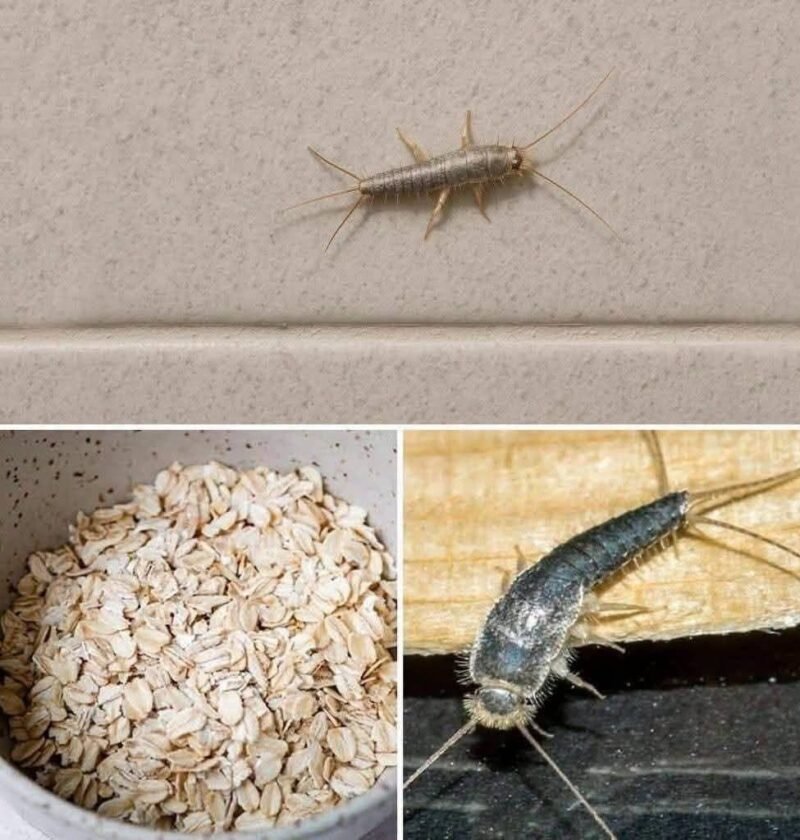
Ah, the classic pest-control panic trap! Nothing makes a homeowner drop their coffee faster than a headline warning that a creepy-crawly in the hallway is secretly signaling an impending household disaster.
When these articles flash a terrifying bug picture alongside a “Warning! See more…” cliffhanger, they almost always follow one of two playbooks: standard home-maintenance fear-mongering or overblown allergy warnings.
Here is what is usually hiding behind those dramatic insect alerts:
1. The “Wood-Destroying” Panic (Termites & Carpenter Ants)
-
The Clickbait Spin: Finding a single bug near a window sill means your entire house is about to collapse into sawdust and you need to spend thousands of dollars on an emergency tent-fumigation immediately.
-
The Reality: While termites and carpenter ants are pests you want to catch early, finding a stray bug doesn’t mean your framing is hollowed out. Regular inspections and managing moisture around your foundation are the real solutions—not panic.
2. The “Super-Infestation” Fear (Bed Bugs & Roaches)
-
The Clickbait Spin: Spotting one bug implies your home is unsanitary and a colossal, biblical plague of insects is currently breeding inside your mattress or walls.
-
The Reality: Bugs wander in from the outside all the time—through open doors, on grocery bags, or hitching a ride on clothing. While you definitely want to keep an eye out for a persistent problem, a single stray insect is usually just an unlucky explorer looking for moisture or warmth.
3. The “Toxic/Venomous” Exaggeration (Harmless Spiders & Beetles)
-
The Clickbait Spin: Branding a completely harmless cellar spider, stink bug, or house centipede as a “deadly mutant invader” that poses an immediate threat to your family and pets.
-
The Reality: Most common household insects are either completely harmless or actually act as mini predators that eat other pests (house centipedes, for example, eat silverfish and cockroach nymphs!).
What You Should Actually Do If You Find a Bug
Instead of panicking over a clickbait slide-show, a practical approach works best:
-
Identify it accurately: Take a quick photo and check if it’s a structural pest (like a termite), a nuisance pest (like an ant or stink bug), or an accidental intruder.
-
Check for attractants: Most household bugs are looking for three things: moisture, standing water, or food crumbs. Fixing a leaky pipe or sealing up pantry food does more than any panic-induced spray.
-
Seal entry points: Check window screens and door sweeps.
Did this article try to convince you that your house was infested with a rare, flesh-eating beetle, or was it just trying to sell you an overpriced ultrasonic plug-in bug repeller?