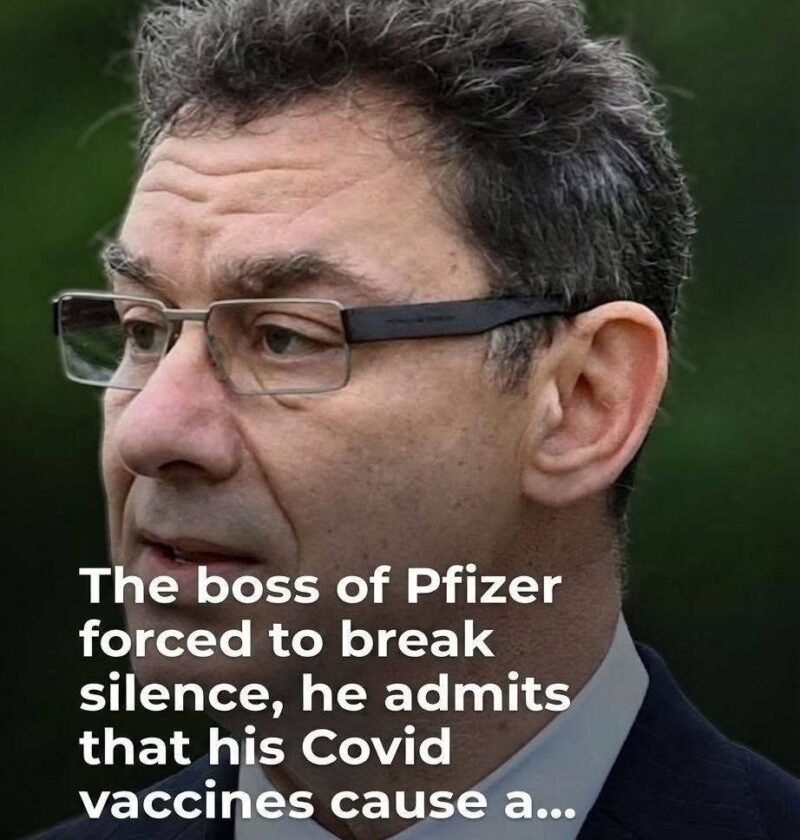
Ah, the absolute heavyweight champion of internet clickbait: “Shocking statement about [Big Pharma Company]… See more!”
Few things capture attention quite like vague corporate drama combined with the word “shocking.” When you click through these headlines, they almost always follow a very predictable script designed to turn normal corporate news, minor regulatory fines, or standard pharmaceutical science into a blockbuster conspiracy thriller.
Here is what is usually hiding behind those breathless “shocking statement” headlines:
1. Old Legal Settlements Dusted Off as “Breaking News”
-
The Reality: Major pharmaceutical companies are massive multinational entities that deal with complex drug trials, patent lawsuits, and regulatory red tape on a daily basis.
-
The Clickbait Spin: Articles will often take a multi-million-dollar settlement from a lawsuit that happened 10 or 15 years ago—complete with standard corporate liability language—and re-package it as a “brand-new, hidden bombshell” that “they don’t want you to know about.”
2. Routine FDA Disagreements and Warning Letters
-
The Reality: The U.S. Food and Drug Administration (FDA) regularly inspects manufacturing plants, reviews clinical trial data, and sends out warning letters or requests for clarification to drugmakers. This is a standard part of medical oversight.
-
The Clickbait Spin: A routine bureaucratic letter pointing out a minor labeling error or asking for more manufacturing data gets translated into headlines claiming a drug has been “exposed” or that regulators found “terrifying secrets.”
3. Out-of-Context Earnings Reports or Shareholder Drama
-
The Reality: Financial news sites report on quarterly profits, declining sales of specific vaccines post-pandemic, or executive statements about future research pipelines.
-
The Clickbait Spin: A corporate executive talking about shifting market demand or lowering projected revenue for a specific product gets twisted into dramatic claims like “Pfizer admits the truth about…” or “Insiders drop a bombshell about future profits.”
4. Fabricated Quotes and Deepfake Claims
-
The Reality: In the era of rapid digital media, completely fake quotes or AI-generated video clips of CEOs or prominent scientists making absurd admissions are frequently spun up to drive ad revenue on shady blogs or social media feeds.
-
The Clickbait Spin: Attributing wild, sci-fi-level admissions to corporate leaders with zero verifiable source or press release backing it up.
💡 The Bottom Line: Big pharmaceutical companies are driven by profit, patents, and intense market competition—which certainly gives plenty of room for legitimate financial and regulatory scrutiny. But if a headline uses the word “shocking” and ends with a cliffhanger instead of linking to a credible investigative report or a verified SEC filing, it’s almost always engineered purely for clicks and ad views.
Did this particular headline try to push a specific conspiracy theory about a vaccine or drug, or was it just trying to farm clicks over generic corporate drama?