The 3 Things to Avoid After Meals and 4 Bedtime Habits to Skip to Help Lower Stroke Risk
Stroke can happen when blood flow to part of the brain is blocked or when a blood vessel in the brain ruptures. Although not every stroke can be prevented, many risk factors can be changed. High blood pressure is the leading controllable risk factor, while regular physical activity, a healthy diet, adequate sleep, and not smoking can all help reduce risk.
Some everyday habits may work against these goals. Instead of looking for one food or drink that can prevent a stroke, focus on small changes that support healthy blood pressure, blood sugar, cholesterol, weight, and sleep.
3 Things to Avoid After Meals
1. Avoid Sitting for Hours Without Moving
Remaining seated for long periods after eating adds to an otherwise sedentary lifestyle. When appropriate for your health and fitness level, gentle movement such as a short walk can be a practical way to stay active.
Regular physical activity is associated with lower stroke risk and can help improve several stroke risk factors, including blood pressure and weight. The American Stroke Association recommends working toward regular activity throughout the week.
However, avoid intense exercise immediately after a heavy meal. A gentle walk is very different from strenuous exercise.
2. Avoid Very Heavy, High-Salt Meals
Frequently consuming meals high in sodium, saturated fat, added sugar, and highly processed foods can make a heart-healthy diet more difficult to maintain.
Excess sodium can contribute to higher blood pressure, and high blood pressure is a major stroke risk factor. Instead, build meals around vegetables, fruits, whole grains, legumes, nuts, fish, and other nutritious protein sources while limiting excess salt and highly processed foods.
3. Avoid Smoking After Eating
Some people develop a routine of smoking after meals. Smoking is a major cardiovascular risk factor and can substantially increase stroke risk.
If you smoke, quitting is one of the most important lifestyle changes you can make for your cardiovascular health. Avoiding secondhand smoke is also beneficial.
4 Bedtime Habits to Skip
1. Do Not Regularly Sacrifice Sleep
Consistently getting too little sleep can negatively affect cardiovascular health and is associated with high blood pressure and other conditions that increase stroke risk.
Most adults should aim for approximately seven to nine hours of sleep each night. Maintaining a consistent sleep and wake schedule can also support better sleep.
2. Avoid Heavy Meals Immediately Before Bed
Large meals close to bedtime can interfere with comfortable, restful sleep. The American Stroke Association recommends planning dinner several hours before bedtime when possible and avoiding heavy meals that disrupt sleep.
If you are hungry later in the evening, a small, balanced snack may be more comfortable than a large meal.
3. Avoid Excessive Alcohol at Night
Alcohol can make some people feel sleepy initially, but it can also interfere with sleep quality. Excessive alcohol consumption is also associated with increased cardiovascular and stroke risk.
If you drink alcohol, keep your intake within recommended limits. If you do not drink, there is no health reason to start.
4. Do Not Spend the Whole Night on Your Phone
Scrolling through a phone or other electronic device immediately before bed can make it harder for some people to establish a healthy sleep routine.
Try putting electronic devices away before bedtime and creating a relaxing routine instead. Keeping a regular sleep schedule and giving yourself time to wind down may help improve sleep quality.
The Most Important Step for Stroke Prevention
These habits can support a healthier lifestyle, but they are not a substitute for medical care. The most important controllable stroke risk factor is high blood pressure.
Have your blood pressure checked regularly and work with a healthcare professional if it is elevated. Managing cholesterol, blood sugar, atrial fibrillation, and other medical conditions is also important. Take prescribed medications as directed and do not stop or change them without medical advice.
Recognize Stroke Warning Signs
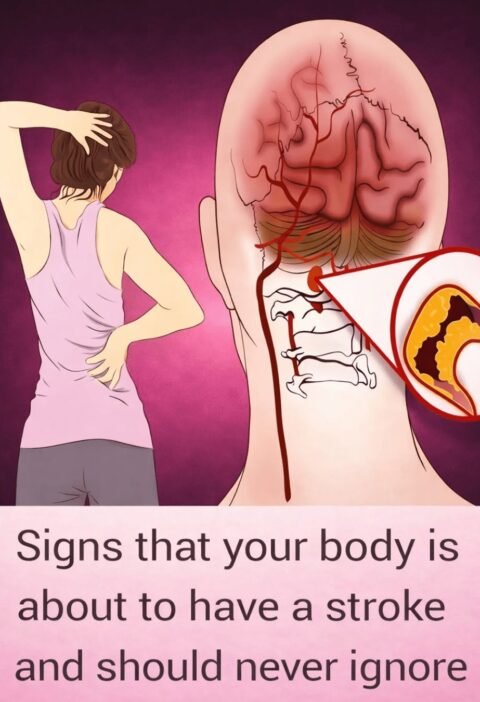
Lifestyle changes are important for prevention, but stroke symptoms require immediate action. Sudden facial drooping, arm weakness, speech difficulty, loss of balance, or vision changes can be warning signs of a stroke.
If these symptoms occur, seek emergency medical help immediately. Stroke is a medical emergency, and prompt treatment can reduce the risk of permanent brain damage.