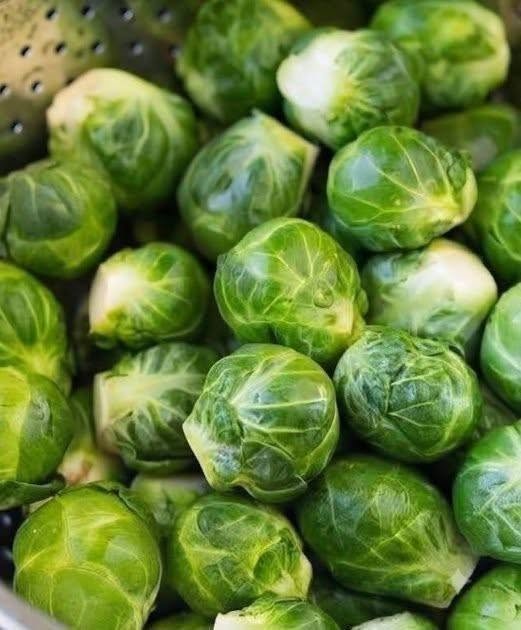
Why Brussels Sprouts Used to Taste Terrible (And Why They Don’t Anymore)
-
Plant Breeders Bred Out the Bitterness: In the 1990s, Dutch plant scientists identified the specific bitter (sinigrin and progoitrin) in older sprout varieties and crossbred sweeter, milder cultivars that dominate grocery stores today.
-
Boiling Released “Rotten Egg” Sulfur Compounds: Older recipes boiled Brussels sprouts in water until gray and mushy. Over-boiling breaks down sulfur compounds into hydrogen sulfide—creating that notorious boiled-cabbage smell and bitter taste.
-
High-Heat Roasting Transforms Them: Roasting, air-frying, or pan-searing halved sprouts at 200–220°C (400–425°F) triggers , turning the outer leaves crispy and nutty while keeping the inside tender.
-
Genetics Play a Real Role in Taste: Roughly 25% of people are “supertasters” with heightened sensitivity to bitter in cruciferous vegetables—meaning those individuals genuinely experience Brussels sprouts as far more bitter than others do.
Nutritional Snapshot (Why People Actually Eat Them)
-
Vitamin K & Vitamin C: One cooked cup supplies well over 100% of daily Vitamin K (for blood clotting and bone health) and ~100% of daily Vitamin C.
-
Fiber & Gut Support: Roughly 4 grams of fiber per cup supports digestion and steady blood sugar.
-
Sulforaphane & Antioxidants: Cruciferous vegetables contain bioactive compounds studied for cellular protection and anti-inflammatory benefits.
How to Make Brussels Sprouts Actually Taste Good (If You Only Had Boiled Ones)
-
Slice Them in Half Lengthwise: Increases flat surface area so the cut face browns and crisps instead of steaming.
-
Toss With Olive Oil, Salt, and Pepper—Never Boil: Roast cut-side down on a hot sheet pan at 210°C (410°F) for 18–22 minutes until edges are deeply browned and crispy.
-
Balance With Acid or Sweetness: Finish with a splash of balsamic glaze, lemon juice, grated Parmesan, or toasted nuts—acidity cuts any lingering bitterness instantly.