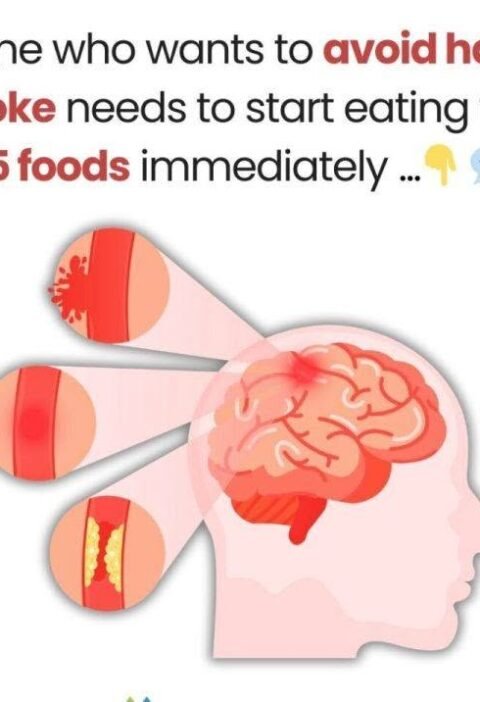
If you’re asking what this teaser is getting at, there isn’t a medically established rule that eating eggs in the morning causes one specific harmful effect.
For most people, eggs can be part of a nutritious breakfast. They provide high-quality protein, choline, vitamin B12, selenium, and other nutrients.
What eggs can affect
-
Blood cholesterol: Eggs contain dietary cholesterol, but for most people, saturated and trans fats have a greater effect on blood LDL cholesterol than dietary cholesterol.
-
Blood sugar: Eggs contain very little carbohydrate, so they generally have little direct effect on blood glucose.
-
Satiety: Their protein can help you feel full for longer.
-
Allergic reactions: People with an egg allergy can develop symptoms after eating eggs.
-
Food poisoning: Raw or undercooked eggs can carry Salmonella, so proper cooking and food handling are important.
If someone has diabetes, high LDL cholesterol, cardiovascular disease, or another specific condition, the appropriate amount of eggs depends on their overall diet and individual risk factors.
A more accurate headline would be:
“Eating Eggs for Breakfast: What Doctors Want You to Know About Cholesterol, Blood Sugar, and Health”