Safety vs. Quality Check Before You Cook
-
Continuous freezer temperature: If your freezer held a steady 0°F (-18°C) or below, bacterial growth was halted. If there were long power outages, warm spells, or partial thawing where temperatures rose above 40°F (4°C) for more than 2 hours, discard it.
-
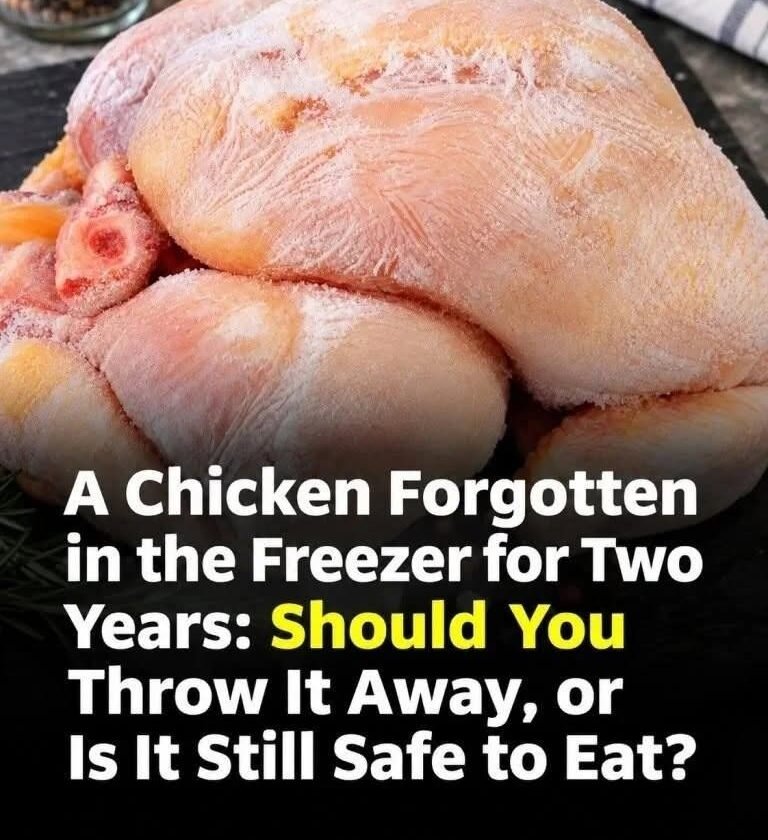
Packaging and freezer burn: Look for dry, pale, or leathery grayish-brown spots (freezer burn). Freezer burn is safe to eat—you can trim affected spots off before or after cooking—but heavy freezer burn makes meat tough and dry.
-
Smell and texture after thawing: Once thawed, trust your senses. Any sour, ammonia-like, or distinctly putrid odor, or slimy/sticky texture that doesn’t rinse clean, means it has spoiled and should be thrown out.
How to Cook It Safely (and Get Better Results)
-
Thaw safely or cook from frozen: Thaw in the refrigerator (not on the counter), in cold water changed every 30 minutes inside a leak-proof bag, or cook directly from frozen (expect roughly 50% longer cooking time).
-
Cook thoroughly: Cook poultry to a safe internal temperature of 165°F (74°C) verified with a food thermometer.
-
Choose moist cooking methods: Because 2-year-old chicken often loses moisture, braising, simmering in stews/curries, poaching, or cooking with sauces/broths usually gives a much better texture than dry roasting or pan-searing alone.