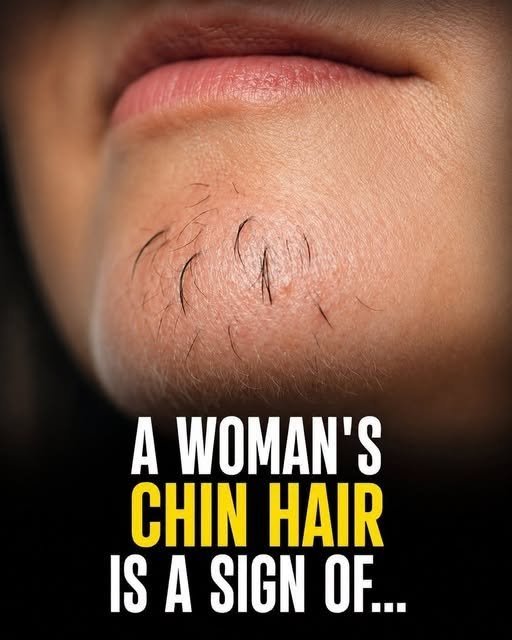
Common Reasons Chin Hair Appears
-
Genetics and ancestry: Family traits strongly shape hair follicle sensitivity. People with South Asian, Middle Eastern, or Mediterranean ancestry often have naturally denser body or facial hair without an underlying disorder.
-
Aging and perimenopause/menopause: As estrogen levels decline around midlife or after menopause, the relative balance of androgens (“male” hormones such as testosterone) can shift, making occasional dark hairs on the chin or upper lip more common.
-
Polycystic ovary syndrome (PCOS, also referred to in recent clinical literature as PMOS): One of the most common hormonal causes in women of reproductive age. Higher androgen activity or insulin resistance can convert fine vellus hairs into thicker terminal hairs, often alongside irregular periods, acne, or scalp hair thinning.
-
Other endocrine or medication factors: Less commonly, nonclassic congenital adrenal hyperplasia, Cushing syndrome, thyroid imbalances, or certain medications/supplements (such as testosterone, DHEA, danazol, or minoxidil) can contribute.
How to Tell Everyday Hair From Something to Check
-
Cycle or metabolic clues: Irregular or skipped periods, persistent acne, weight changes, or darkened skin patches in body folds.
-
Signs of stronger androgen excess (virilization): Voice deepening, increased muscle mass, scalp hair loss, or other sudden bodily shifts—these warrant prompt medical evaluation to rule out less common adrenal or ovarian sources.