How Unplugging Saves Energy
-
Eliminates continuous standby draw: Phone chargers left in the wall, gaming consoles in instant-on mode, desktop monitors, secondary TVs, and countertop appliances with digital displays pull power 24/7.
-
Compounds across multiple devices: A single charger or set-top box uses modest wattage, but an entire household running idle electronics day and night creates steady baseline consumption.
-
Reduces unnecessary heat in warm rooms: Power bricks and transformers convert a fraction of drawn electricity into heat, which adds extra cooling load during hot months.
How Unplugging Supports a Safer Home
-
Limits exposure to power surges and voltage fluctuations: Grid switching, storms, or voltage swings can stress or damage sensitive electronics if they remain connected when away from home or during severe weather.
-
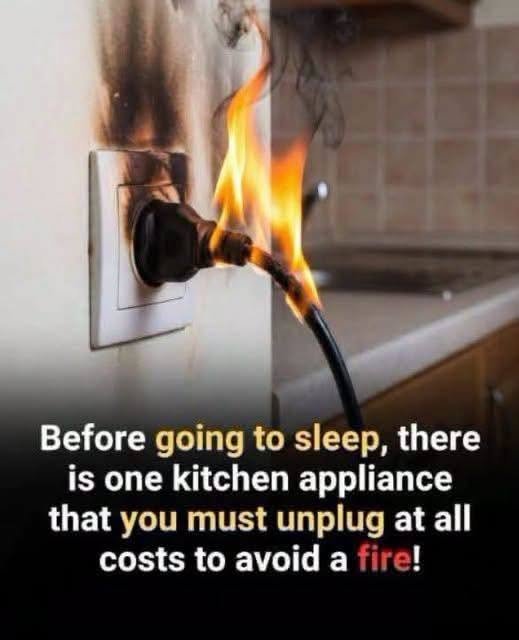
Lowers fire and overheating risks: Damaged cords, pinched cables, worn outlets, or aging chargers/heaters pose less risk when de-energized—especially for high-draw appliances like space heaters, irons, hair tools, and toasters.
-
Improves safety around children and pets: Unplugged cords and empty outlets reduce shock hazards if a child pokes an outlet or a pet chews on a cable.
What to Unplug vs. Leave Plugged In
| Device Category | Typical Approach | Practical Reason |
| Space heaters, irons, hair tools, toasters | Unplug after use | High heating loads, frequent cord movement, and higher fire/burn risk if left on or damaged. |
| Chargers, game consoles, secondary TVs, audio gear | Unplug or switch off via power strip | Ongoing standby draw and vulnerability to voltage spikes when idle. |
| Refrigerators, freezers, routers, security/medical gear | Keep plugged in | Continuous operation protects food safety, network connectivity, or essential home monitoring. |
Easy Habits Without Daily Friction
-
Group entertainment and desk gear on switched or smart power strips: One switch cuts power to multiple accessories at once without reaching behind furniture.
-
Make high-risk items a habit: Unplug portable heaters and styling appliances immediately after finishing rather than relying on built-in auto-off timers.
-
Check plugs and outlets periodically: Replace frayed cords, loose plugs, or warm wall sockets rather than continuing to use them.