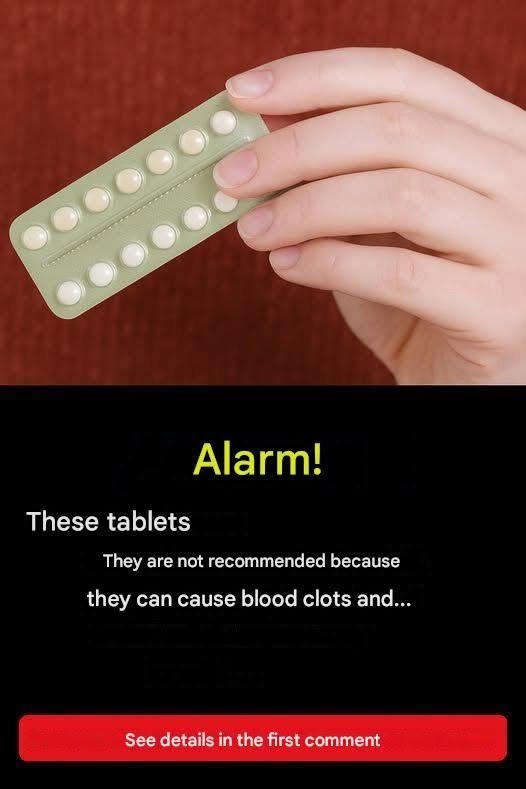
Common Medications Linked to Blood Clot Risks
| Medication Category | Common Examples | How & When Clot Risk Occurs |
| Combined Hormonal Contraceptives | Birth control pills, patches, and vaginal rings containing estrogen + progestin | Estrogen increases liver production of clotting factors. Risk remains low overall in healthy young women, but rises with smoking, age over 35, migraines with aura, obesity, or personal/family clot history. |
| Hormone Replacement Therapy (HRT) | Oral estrogen tablets (with or without progestin) for menopause symptoms | Oral estrogen increases venous blood clot () and stroke risk; transdermal patches or gels carry a noticeably lower clot risk than swallowed pills. |
| Nonsteroidal Anti-Inflammatory Drugs (NSAIDs) | High-dose ibuprofen, diclofenac, naproxen, celecoxib | Long-term or high-dose use can modestly raise arterial clot risk (heart attack or stroke), especially in people with existing heart disease, high blood pressure, or kidney disease. (Low-dose aspirin is an exception—it prevents clots.) |
| Selective Estrogen Receptor Modulators (SERMs) | Tamoxifen, raloxifene (used for breast cancer treatment/prevention or osteoporosis) | Mimic estrogen in the liver, raising the risk of leg clots (DVT) and lung clots (pulmonary embolism). |
| Testosterone & Anabolic Steroids | Prescription testosterone therapy; unprescribed bodybuilding steroids | Stimulate excess red blood cell production (polycythemia), thickening blood and raising clot risk—especially with unregulated doses. |
| Certain Cancer & Specialty Drugs | Thalidomide, lenalidomide, bevacizumab, erythropoiesis-stimulating agents (ESAs) | Used for specific cancers or severe anemia under strict specialist monitoring, often paired with preventive blood thinners. |
Why “Not Recommended” Headlines Are Misleading
-
Risk depends heavily on personal context: For a healthy non-smoker under 35, the absolute risk of a blood clot on combined birth control pills is still lower than the blood clot risk during pregnancy and postpartum recovery.
-
Never stop a prescribed pill abruptly: Stopping hormone therapy, cancer medication, or prescribed treatments suddenly without medical guidance can trigger severe symptom rebound, unintended pregnancy, or disease progression.
-
Progestin-only options exist: For women who have higher clot risks (such as migraines with aura or smoking over 35), progestin-only pills, implants, or hormonal IUDs do not carry the same estrogen-driven clot risk.
Warning Signs of a Blood Clot (Seek Urgent Care)
-
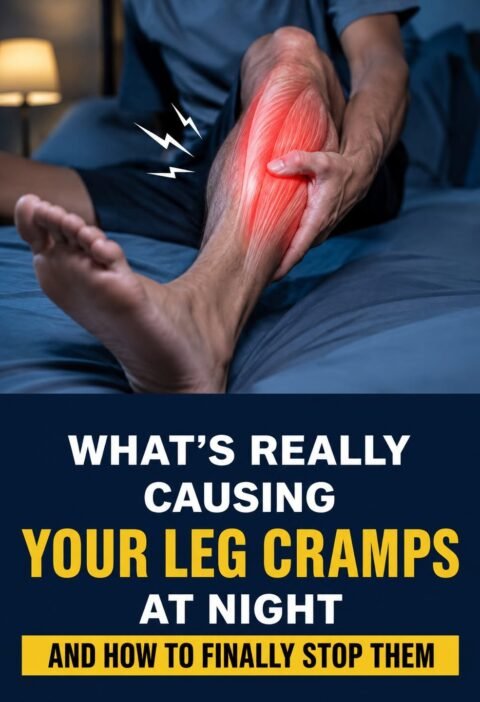
Leg clot (DVT): Sudden swelling, throbbing pain, warmth, or redness in one leg (usually the calf or thigh)
-
Lung clot (Pulmonary Embolism): Sudden shortness of breath, sharp chest pain that worsens when breathing in, racing heartbeat, or coughing up blood
-
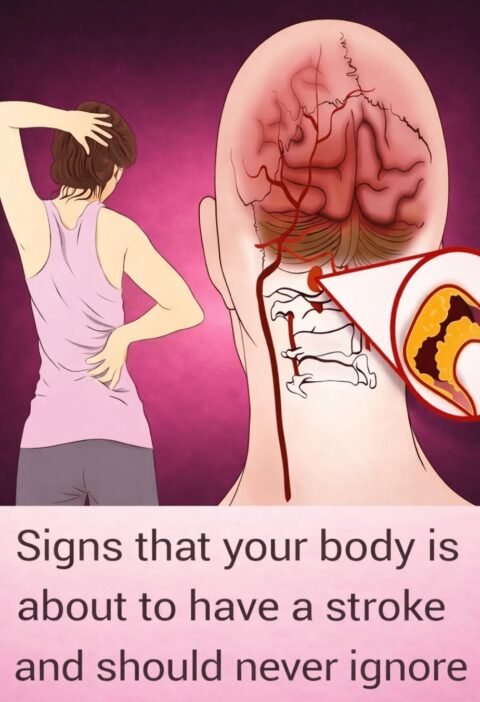
Brain clot (Stroke): Sudden face drooping, arm or leg weakness on one side, or slurred speech