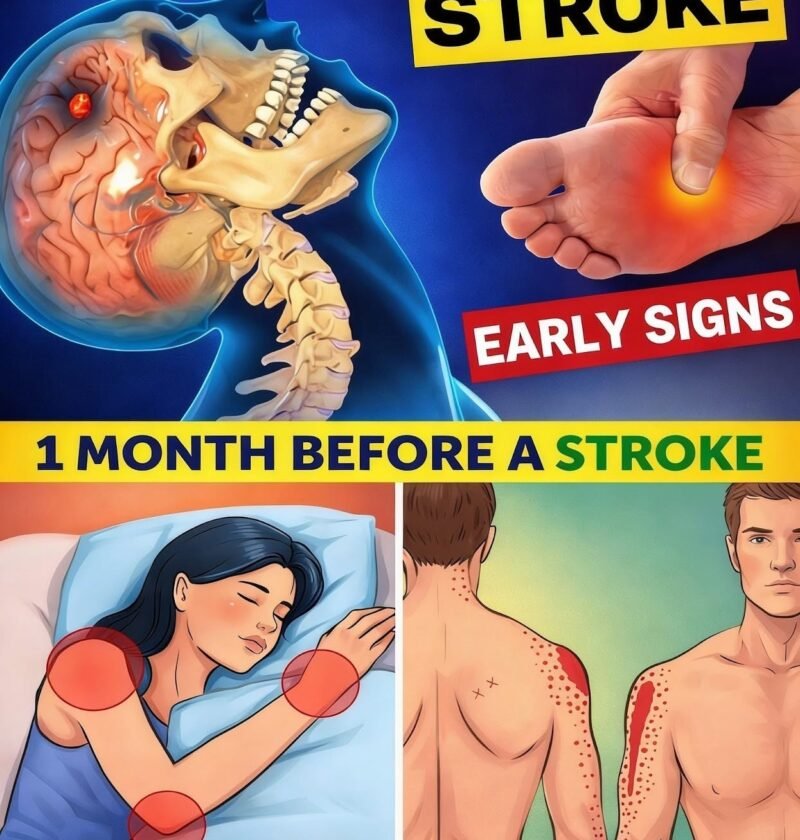
Viral health blogs and sensationalized wellness reels love to use dramatic, anxiety-inducing clickbait hooks like “8 Warning Signs of Stroke That May Appear Before a Major Event — and 9 Ways to Lower Your Risk” to frame every fleeting headache, momentary dizziness, or random muscle twitch as an imminent neurological disaster.
While strokes are serious, time-critical medical emergencies, the human brain and vascular system provide distinct, recognizable clinical signals when blood flow is genuinely compromised—not random, vague daily discomforts.
Here is a look at what actually causes a stroke, why sensationalized pre-stroke lists often mislead, and what true, evidence-based steps protect your cerebrovascular health.
What Actually Happens During a Stroke?
A stroke occurs when the blood supply to part of your brain is abruptly interrupted or severely reduced, depriving brain tissue of vital oxygen and nutrients. Within minutes, brain cells begin to suffer damage. There are two primary types:
-
Ischemic Stroke (approx. 87% of cases):
-
The Mechanism: A blood clot blocks a blood vessel supplying the brain, often originating from fatty plaque buildup in the carotid arteries or traveling from the heart (such as in atrial fibrillation).
-
-
Hemorrhagic Stroke:
-
The Mechanism: A weakened blood vessel in the brain ruptures, spilling blood into surrounding tissue and increasing intracranial pressure.
-
Where the “Pre-Stroke Warning Signs” Hyperbole Goes Wrong
Clickbait articles often list vague, everyday sensations—like mild fatigue, trouble concentrating, occasional blurry vision from staring at a screen, or a mild tension headache—as “hidden pre-stroke signs” that appear weeks in advance.
In reality, a transient ischemic attack (TIA)—often called a “mini-stroke”—can precede a major stroke, but its symptoms are sudden, distinct, and mimic a true stroke (such as sudden weakness or slurred speech), rather than vague, lingering malaise. Attributing normal daily stress or stiffness to an impending stroke only causes unnecessary panic.
The Real, Recognizable Signs of a Stroke (FAST)
When a stroke or TIA occurs, the onset is almost always sudden. Medical professionals rely on the globally recognized FAST acronym to identify true cerebrovascular emergencies:
-
F – Face Drooping: Does one side of the face droop, or is it numb? If the person smiles, is the smile uneven?
-
A – Arm Weakness: Is one arm weak or numb? If the person tries to raise both arms, does one drift downward?
-
S – Speech Difficulty: Is speech slurred, are they unable to speak, or are they hard to understand?
-
T – Time to Call Emergency Services: If you observe any of these signs—even if they go away—call emergency services immediately. Time is brain tissue; rapid medical intervention can restore blood flow and drastically minimize permanent damage.
Other sudden signs can include abrupt loss of vision in one or both eyes, sudden severe dizziness with a loss of balance, or a sudden, excruciating “thunderclap” headache unlike anything experienced before.
9 Evidence-Based Ways to Lower Your Stroke Risk
While you cannot control genetics or aging, the vast majority of strokes are preventable through consistent, long-term vascular management:
-
Control Blood Pressure: Hypertension is the single most significant modifiable risk factor for stroke. Keeping your blood pressure in a healthy range reduces physical strain on fragile cerebral blood vessels.
-
Manage Cholesterol Levels: Keeping LDL (“bad”) cholesterol low prevents the buildup of atherosclerotic plaques in the arteries supplying the brain.
-
Monitor and Manage Blood Sugar: Chronic hyperglycemia damages blood vessels throughout the body, including the delicate microvasculature of the brain.
-
Treat Atrial Fibrillation (AFib): If you have an irregular heart rhythm, working with a cardiologist to manage it with medication or blood thinners prevents clots from forming in the heart and traveling to the brain.
-
Quit Smoking: Nicotine constricts blood vessels, damages the endothelial lining, and makes blood platelets stickier and more prone to clotting.
-
Maintain Regular Physical Activity: Aerobic exercise strengthens your cardiovascular system, improves blood vessel elasticity, and helps regulate blood pressure and weight.
-
Adopt a Heart-Healthy Diet: Emphasize vegetables, fruits, whole grains, lean proteins, and healthy fats (like the Mediterranean diet) while limiting excess sodium and ultra-processed foods.
-
Limit Alcohol Consumption: Excessive drinking spikes blood pressure and increases the risk of both ischemic and hemorrhagic strokes.
-
Maintain a Healthy Weight: Reducing excess visceral fat lowers systemic inflammation and reduces the burden on your cardiovascular system.
The Takeaway
Don’t let sensationalized clickbait frighten you over everyday minor aches or transient fatigue. Real stroke prevention is built on managing your foundational vascular health—blood pressure, metabolic numbers, and lifestyle choices—and knowing the sudden, undeniable signs of a medical emergency.