8 Habits You Should Stop This Year If You Are Taking Amlodipine – And Why
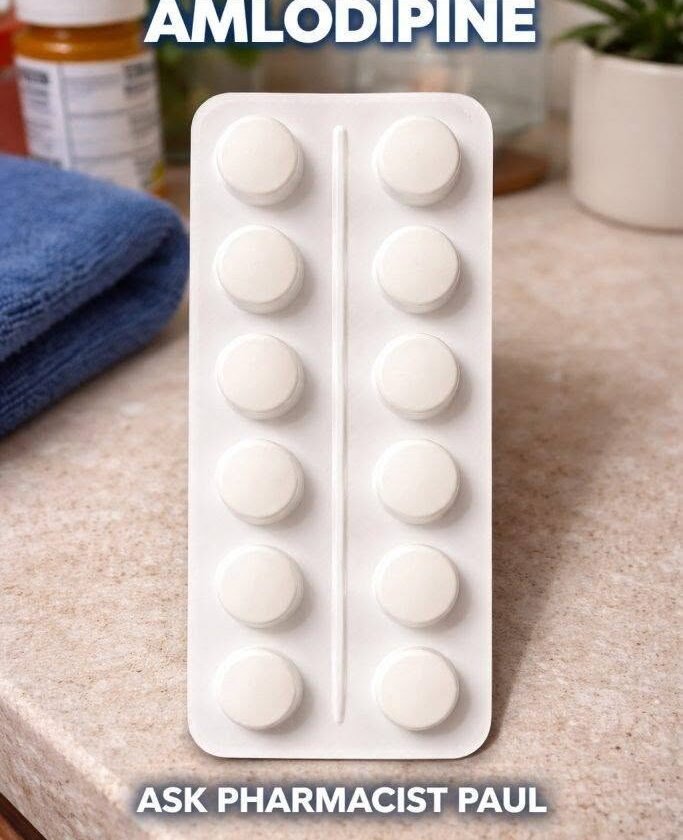
If you take amlodipine for high blood pressure or angina, taking your tablet every day is only one part of protecting your heart and blood vessels.
Amlodipine helps relax blood vessels and lower blood pressure, but everyday habits can work against good blood-pressure control. Some can also increase the likelihood of side effects such as dizziness, swelling, or excessively low blood pressure.
That does not mean you need to live in fear of every food, drink, or over-the-counter medicine. Instead, the goal is to identify the habits that are most likely to interfere with treatment or make blood-pressure control harder.
Here are eight habits worth stopping—or at least changing—if you take amlodipine.
1. Stop skipping or randomly changing your amlodipine
One of the biggest mistakes is treating amlodipine as something you can take only when your blood pressure “feels high.”
High blood pressure often causes no obvious symptoms. A normal-feeling day does not necessarily mean your blood pressure is normal.
Amlodipine is generally taken regularly, as prescribed. If you miss a dose, the usual advice is to skip the missed dose and take the next dose at the normal time rather than taking two doses together. Most importantly, do not stop amlodipine on your own simply because your readings have improved or you feel better. (nhs.uk)
Why this matters
Inconsistent use can make blood-pressure control less predictable. And if you stop treatment without medical guidance, your underlying high blood pressure may return.
Better habit: Take amlodipine at the same time each day and use a pill organizer, phone reminder, or another routine to make it easier to remember.
2. Stop drinking large amounts of alcohol
Alcohol deserves special attention when you take amlodipine.
Alcohol can contribute to high blood pressure over time. In addition, alcohol can increase the blood-pressure-lowering effect of amlodipine and make dizziness or low blood pressure more likely. The NHS specifically advises limiting alcohol while taking amlodipine. (nhs.uk)
The 2025 American Heart Association/American College of Cardiology hypertension guideline also recommends reducing or eliminating alcohol as part of blood-pressure management. (professional.heart.org)
Why this matters
You may notice more light-headedness when standing, particularly if you already experience amlodipine-related dizziness.
Better habit: If you drink alcohol, discuss an appropriate limit with your healthcare professional. If you do not drink, there is no health reason to start.
3. Stop eating a high-sodium diet every day
Amlodipine lowers blood pressure, but a consistently high-sodium diet can make controlling blood pressure more difficult.
Salt is especially easy to overconsume through processed foods, packaged meals, sauces, instant foods, processed meats, and restaurant meals. The CDC notes that most dietary sodium comes from processed and restaurant foods rather than simply from the salt shaker. (CDC)
Why this matters
Too much sodium can contribute to higher blood pressure. That means your medication may be fighting against a dietary pattern that continues to push your pressure upward.
The current hypertension guidelines recommend reducing sodium and following a heart-healthy eating pattern such as DASH. (professional.heart.org)
Better habit: Read food labels, choose lower-sodium versions, eat more minimally processed foods, and use herbs, spices, garlic, lemon, or vinegar for flavor instead of relying heavily on salt.
4. Stop reaching for ibuprofen or naproxen without checking first
This is an important habit that many people overlook.
Common nonsteroidal anti-inflammatory drugs (NSAIDs), including ibuprofen and naproxen, can contribute to fluid retention and may raise blood pressure in some people. They can therefore make blood-pressure management more difficult. (Mayo Clinic)
That does not mean everyone taking amlodipine must permanently avoid every NSAID. Sometimes these medicines are appropriate. The important point is to avoid taking them frequently or long-term without discussing them with a healthcare professional.
Why this matters
If your blood pressure suddenly becomes harder to control, an over-the-counter pain medicine may be one of the factors worth reviewing.
Better habit: Before regularly taking ibuprofen, naproxen, or another NSAID, ask your doctor or pharmacist whether it is appropriate for you and what alternatives may be safer.
5. Stop taking supplements and herbal remedies without mentioning them
“Natural” does not automatically mean “interaction-free.”
Some herbal products can interact with prescription medicines. For example, the NHS specifically lists St John’s wort among herbal medicines that may interact with amlodipine. It also advises patients to tell their doctor about vitamins, supplements, and herbal remedies they use. (nhs.uk)
This is particularly important if you regularly use concentrated herbal extracts, “blood pressure” supplements, or multiple products purchased without a prescription.
Why this matters
A supplement can potentially change how a medicine is absorbed, metabolized, or how strongly it affects you.
Better habit: Keep a complete list of your prescription medicines, over-the-counter drugs, vitamins, and supplements. Show the list to your doctor or pharmacist before adding something new.
6. Stop ignoring grapefruit and grapefruit juice warnings
Grapefruit is an easy detail to overlook.
The NHS advises people taking amlodipine not to eat grapefruit or drink grapefruit juice because it can increase the chance of side effects. (nhs.uk)
This does not mean that every citrus fruit is a problem. The concern specifically involves grapefruit and grapefruit juice.
Why this matters
Food-drug interactions can sometimes change how much medicine enters your bloodstream, potentially increasing adverse effects.
Better habit: If you regularly eat grapefruit or drink grapefruit juice, ask your pharmacist or doctor whether you should avoid it while taking your particular amlodipine product.
7. Stop being completely inactive
Amlodipine is not a substitute for physical activity.
Regular movement helps support cardiovascular health and can help lower blood pressure. The CDC recommends adults get about 150 minutes of moderate-intensity physical activity per week—roughly 30 minutes on five days of the week. (CDC)
You do not necessarily have to begin with intense workouts.
Why this matters
Regular physical activity can help with blood pressure, body weight, cardiovascular fitness, and overall health. The 2025 hypertension guideline includes moderate physical activity among its strongly recommended lifestyle measures. (professional.heart.org)
Better habit: Start with activities you can do safely and consistently, such as brisk walking, cycling, swimming, or another activity your healthcare professional considers appropriate.
If amlodipine makes you dizzy, be cautious about exercising until you know how the medicine affects you.
8. Stop smoking and treating high blood pressure as “just a number”
Smoking and tobacco use are major cardiovascular risks independent of whether you take amlodipine.
Nicotine can raise blood pressure, while smoking damages the heart and blood vessels. The CDC recommends not smoking and notes that quitting lowers cardiovascular risk. (CDC)
.