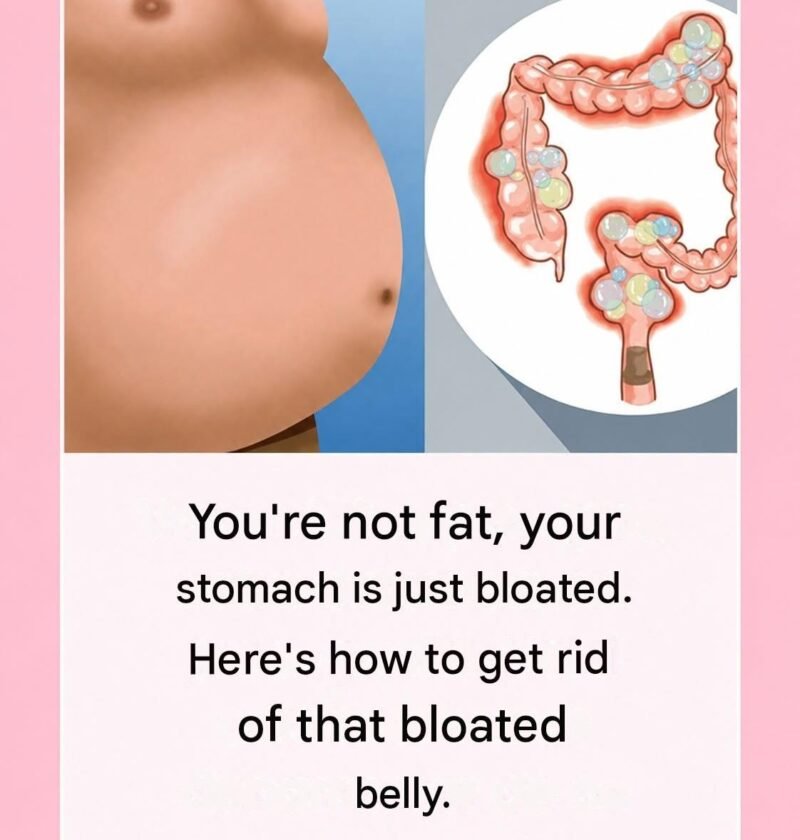
Feeling bloated can make your abdomen feel tight, swollen, and uncomfortable, and it’s completely normal to want relief fast. It’s important to distinguish between bloating—which is a temporary buildup of gas, fluid, or slowed digestion—and body fat, as they have entirely different causes.
Why Does Bloating Happen?
Bloating is usually a sign that your digestive system is struggling with something specific. Common culprits include:
-
Trapped Gas: Swallowing air (from chewing gum, eating too fast, or drinking carbonated beverages) or eating foods high in fermentable carbohydrates (FODMAPs like beans, onions, garlic, and cruciferous vegetables).
-
Water Retention: Eating excess salt or experiencing hormonal fluctuations (such as during the menstrual cycle).
-
Constipation: A slower digestive tract leaves waste sitting in the colon longer, creating pressure and distension.
-
Food Intolerances: Mild sensitivities to lactose, gluten, or artificial sweeteners can cause rapid gas and fluid accumulation in the gut.
How to Get Rid of Bloating (Quick Relief)
If you’re uncomfortable right now, try these simple, evidence-backed steps to ease the pressure:
-
Get Moving: A brisk 15-to-20-minute walk stimulates peristalsis—the wave-like muscle contractions of your digestive tract—helping to move trapped gas along.
-
Try Gentle Movement or Yoga: Poses like the “wind-relieving pose” (lying on your back and gently pulling your knees to your chest) or child’s pose can physically help release trapped air.
-
Sip Herbal Teas: Peppermint, ginger, or chamomile tea have natural antispasmodic and carminative properties that relax the gut lining and help expel gas.
-
Hydrate with Plain Water: It sounds counterintuitive if you feel puffy, but drinking water helps flush out excess sodium and keeps digestion moving smoothly. Avoid carbonated or artificially sweetened drinks for now.
-
Apply Gentle Heat: A heating pad or warm bath on your abdomen can help relax the smooth muscles of the digestive tract and relieve cramping.
Long-Term Prevention Strategies
If bloating is a frequent visitor, you can manage it by making a few adjustments:
-
Eat Slowly: Chew your food thoroughly and close your mouth while eating to minimize how much air you swallow.
-
Identify Triggers: Pay attention to whether certain foods consistently leave you feeling distended. Keeping a brief food and symptom diary can highlight personal sensitivities.
-
Fiber Balance: Increase fiber intake gradually, and always pair it with plenty of water to prevent constipation.