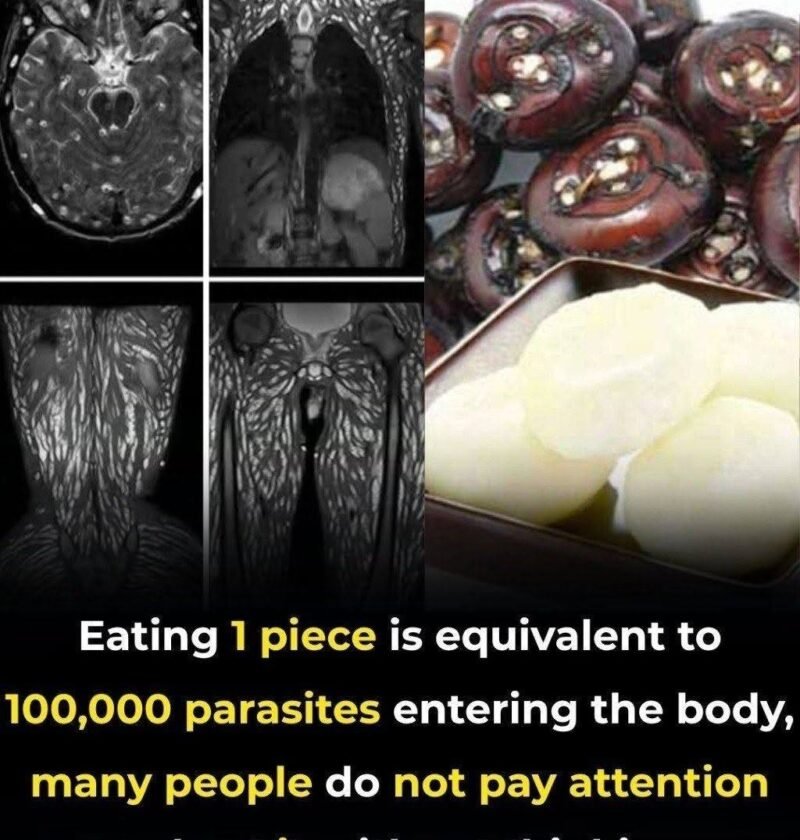
When internet headlines or old adages claim that a certain food is so dangerous that “even a single bite is already harmful,” they are almost always relying on sensationalized clickbait.
In everyday nutrition and food safety, the body is remarkably resilient, and a single stray bite of a raw ingredient, a slightly over-sprouted potato, or a fibrous vegetable rarely causes systemic catastrophe.
However, looking past the hyperbole, there are a few rare instances in nature where a single bite—or a small accidental ingestion—can genuinely be dangerous. Understanding the difference between online myths and genuine toxic hazards helps keep perspective.
1. Where a Single Bite Can Be Dangerous (The Real Hazards)
While most common foods are entirely safe, a handful of specialized wild plants, raw items, or rare delicacies contain potent toxins where even minimal consumption can trigger severe poisoning:
-
The Death Cap Mushroom (Amanita phalloides): This is the classic exception. Wild mushroom foraging carries real risks because consuming even a single cap—or a small portion of a highly toxic species like the Death Cap—contains amatoxins that can destroy liver and kidney tissue, often proving fatal without immediate medical intervention.
-
Raw Bitter Almonds: Unlike the sweet almonds found in grocery stores, true wild bitter almonds contain high concentrations of amygdalin, which converts into hydrogen cyanide when digested. Eating just a small handful of raw, untreated bitter almonds can lead to acute cyanide poisoning.
-
Fugu (Pufferfish): In high-end Japanese cuisine, improperly prepared pufferfish contains tetrodotoxin—a neurotoxin up to 1,200 times more lethal than cyanide. A tiny mistake in cutting the fish can leave enough toxin in a single bite to cause rapid paralysis and respiratory failure.
-
The Leaves of Certain Plants (Like Rhubarb Leaves): While rhubarb stalks make delicious crumbles, the leaves contain massive concentrations of oxalic acid and anthraquinone glycosides. Ingestion of the leaves can cause acute kidney damage, burning in the mouth, and severe internal distress.
2. Common Foods and Everyday “Dangers” (Where the Myth Exaggerates)
Viral posts frequently target completely normal, healthy foods—like raw kidney beans, green potatoes, or unpasteurized dairy—claiming they are ticking time bombs. Here is what science actually says:
-
Raw Kidney Beans: It is true that raw or undercooked red kidney beans contain high levels of a toxin called phytohaemagglutinin, which causes severe nausea and vomiting. However, it takes more than a “single bite”—typically a few raw or improperly soaked beans—to trigger a reaction, and proper boiling completely neutralizes the toxin.
-
Sprouted or Green Potatoes: Potatoes exposed to light develop solanine (a glycoalkaloid), which can cause digestive upset if eaten in large amounts. Nibbling a tiny piece of a slightly pale potato will not poison you; your body easily metabolizes trace amounts of natural plant defense chemicals.
-
Apple Seeds and Cherry Pits: These contain compounds that can release trace amounts of cyanide if crushed or chewed thoroughly. However, swallowing an apple seed or a cherry pit whole is completely harmless because the seed coat protects your digestive tract from absorbing anything, and the pit simply passes right through.
The Bottom Line
You do not need to live in fear of your dinner plate. The human body has evolved robust detoxification pathways and a resilient digestive tract capable of handling minor dietary exposures. Save your caution for true hazards—like wild mushrooms picked without expert knowledge, improperly canned goods, or known food allergies—rather than everyday whole foods backed by centuries of human consumption.