Should you really never sleep with a fan on?
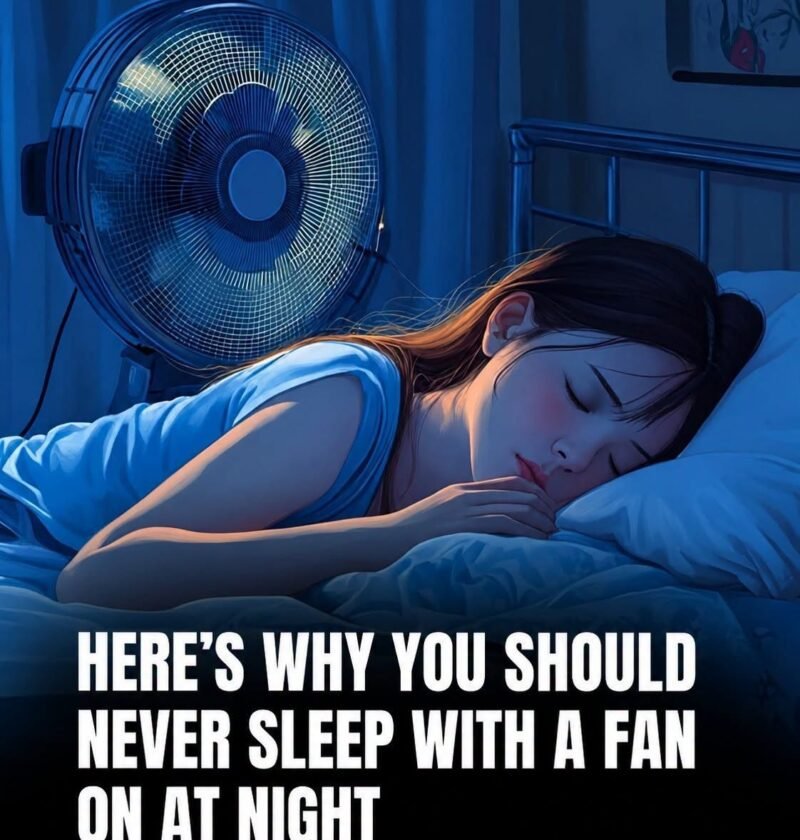
For most healthy people, sleeping with a fan on all night is not inherently dangerous. The claim that you should never sleep with a fan on is largely exaggerated.
A fan can actually make sleeping more comfortable by improving air circulation and helping your body lose heat. However, there are a few situations where leaving one running all night may cause problems:
-
Dry eyes or skin: Constant airflow can increase evaporation and leave your eyes, nose, throat, or skin feeling dry.
-
Allergies: A fan can circulate dust, pollen, pet dander, and other particles if the room or fan blades are dusty.
-
Nasal or throat irritation: Strong airflow may make congestion, a dry throat, or irritation feel worse for some people.
-
Noise or disrupted sleep: For some people, fan noise is relaxing; for others, it can interfere with sleep.
-
Very cold environments: Excessive cooling can make you uncomfortable and potentially interfere with sleep quality.
How to use a fan more comfortably
You don’t necessarily need to turn it off. Try using a low or medium speed, keeping it from blowing directly onto your face, cleaning the blades regularly, and using a timer if you don’t need it throughout the night.
If you’re using a fan because the room is very hot, staying comfortably cool is generally more important than avoiding the fan itself.
And one common myth: a fan does not “use up the oxygen” in your room or cause you to suffocate while sleeping.