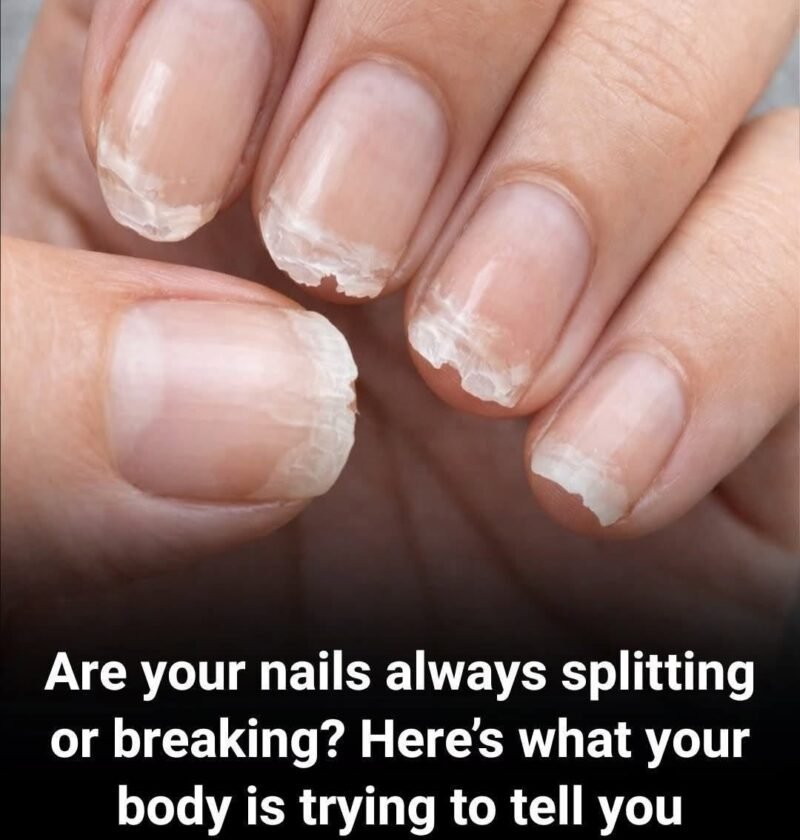
That viral headline—“Weak or Brittle Nails: What Your Body Is Trying to Tell You”—often tries to sell you an expensive multi-ingredient “beauty vitamin” or convince you that weak nails mean you are suffering from a mysterious, severe systemic illness.
While your nails can indeed offer clues about your overall health, the biological reality of brittle, peeling, or splitting nails is usually much simpler—pointing to external habits, normal aging, or straightforward nutritional factors rather than a medical emergency.
Here is what your nails are actually trying to tell you, and what the science says about fixing them.
1. The Most Common Culprit: Environmental and Chemical Damage
Before looking inside your body, look at what your hands touch every day. Over 90% of brittle nail issues are caused by external wear and tear, not internal deficiencies:
-
Water and Chemical Exposure: Constantly washing your hands, doing dishes without gloves, or frequent exposure to harsh cleaning chemicals strips the natural moisture and oils from the nail plate.
-
The Wet-Dry Cycle: Nails act like dense sponges. When they repeatedly absorb water and then dry out, the structural layers (keratin cells) swell and contract, causing them to split, peel, and weaken.
-
Aggressive Manicures: Frequent gel polish removals, acrylics, harsh acetone soaks, or aggressive metal cuticle scraping damage the delicate surface layers of the nail plate.
2. Normal Aging (Onychorrhexis)
Just as our hair changes texture and our skin loses elasticity as we age, our nails change too.
-
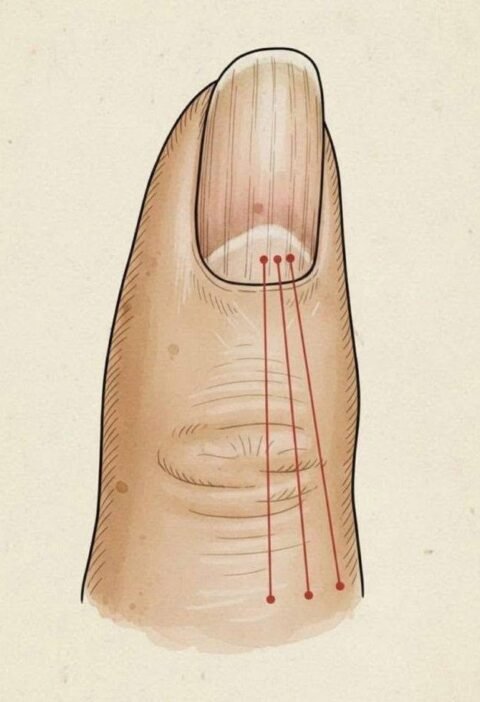
As you get older, cell turnover slows down, and nails naturally produce less moisture and natural oils. This often leads to longitudinal ridging (lines running from cuticle to tip) and increased brittleness. It is a normal part of physiological aging.
3. Nutritional Factors: What’s Real and What’s Hype
While social media ads claim brittle nails always mean a severe vitamin deficiency, true nutritional deficiencies are relatively rare in individuals eating a balanced diet. However, a few specific factors do matter:
-
Iron Deficiency (Anemia): Low iron levels (or iron-deficiency anemia) can sometimes cause nails to become brittle, thin, or even concave/spoon-shaped (a condition called koilonychia).
-
Protein Intake: Nails are made of a tough fibrous protein called keratin. If your overall diet is severely lacking in adequate protein and calories, nail growth and strength will suffer.
-
Biotin (The Overhyped Supplement): Biotin (Vitamin B7) is heavily marketed for hair and nail growth. Unless you have a rare documented deficiency, clinical evidence shows that popping high-dose biotin supplements has very little impact on strengthening healthy nails.
4. Underlying Medical Conditions
Occasionally, persistent nail changes can reflect systemic health conditions that affect circulation, metabolism, or hormone regulation, such as:
-
Thyroid Disorders: Both hypothyroidism (underactive thyroid) and hyperthyroidism can slow down metabolic processes, leading to dry, brittle, or slow-growing nails.
-
Psoriasis or Eczema: These inflammatory skin conditions can directly affect the nail matrix (where new nail growth originates), causing pitting, discoloration, or crumbling nails.
Evidence-Based Ways to Strengthen Weak Nails
If your nails are constantly splitting or peeling, skip the expensive “miracle growth serums” and focus on protective, practical care:
-
Glove Up: Wear rubber or waterproof gloves when washing dishes, cleaning, or handling harsh chemicals.
-
Moisturize Your Nails: Apply a thick hand cream or cuticle oil (containing ingredients like lanolin, shea butter, or jojoba oil) directly to your nails and cuticles multiple times a day—especially immediately after washing your hands.
-
Keep Them Trimmed and Filed: Shorter nails have less leverage to catch on things and tear. File in one direction rather than sawing back and forth, which frays the nail edge.
-
Give Your Nails a Break: If you wear regular or gel polish, take periodic breaks to let your natural nails breathe and recover, and use acetone-free polish removers when possible.
The Bottom Line
Weak or brittle nails are rarely a sign of a hidden medical disaster. Most of the time, they are simply asking for a little less water exposure, a lot more hand cream, and gentle handling. If your nail changes are sudden, extreme, or accompanied by severe fatigue, hair loss, or skin rashes, a quick chat with your doctor or a dermatologist can help rule out underlying issues like thyroid imbalances or iron deficiency.