Prominent longevity experts, such as Harvard Medical School genetics professor Dr. David Sinclair, have highlighted a surprising and often-overlooked indicator of biological aging and systemic health: **the rate at which your fingernails grow.**
While it won’t give you a precise expiration date, tracking your nail growth speed can act as a window into how efficiently your body is generating new cells and maintaining its regenerative capacity.
—
### What Your Nail Growth Says About Aging
* **The Biological Baseline:** Fingernail growth relies heavily on cellular turnover and the production of keratin. Research shows that, on average, nail growth naturally slows down by about 0.5% per year after age 25, dropping significantly over the course of a lifetime.
* **Cellular Regeneration:** Dr. Sinclair has noted that he actively monitors how frequently he needs to clip his nails as a casual metric for aging. A faster, steady rate of nail growth generally reflects robust metabolic function and a strong capacity for cellular repair, while a dramatic or sudden slowing can mirror a decline in overall systemic efficiency.
—
### Other Critical Fingernail Signs to Watch
Beyond growth speed, doctors and dermatologists look at structural and visual changes in the nails as early warning signs for underlying health conditions:
* **Nail Clubbing (Bulbous Fingertips):** When the fingertips widen and the nails curve sharply downward and become spongy, it can indicate chronic low oxygen levels in the blood, often tied to underlying pulmonary (lung) or cardiovascular diseases.
* **Terry’s Nails (Whitened Nails):** If the nails turn mostly white with a dark, narrow band at the tip, it can sometimes point to systemic issues like liver disease, congestive heart failure, or diabetes.
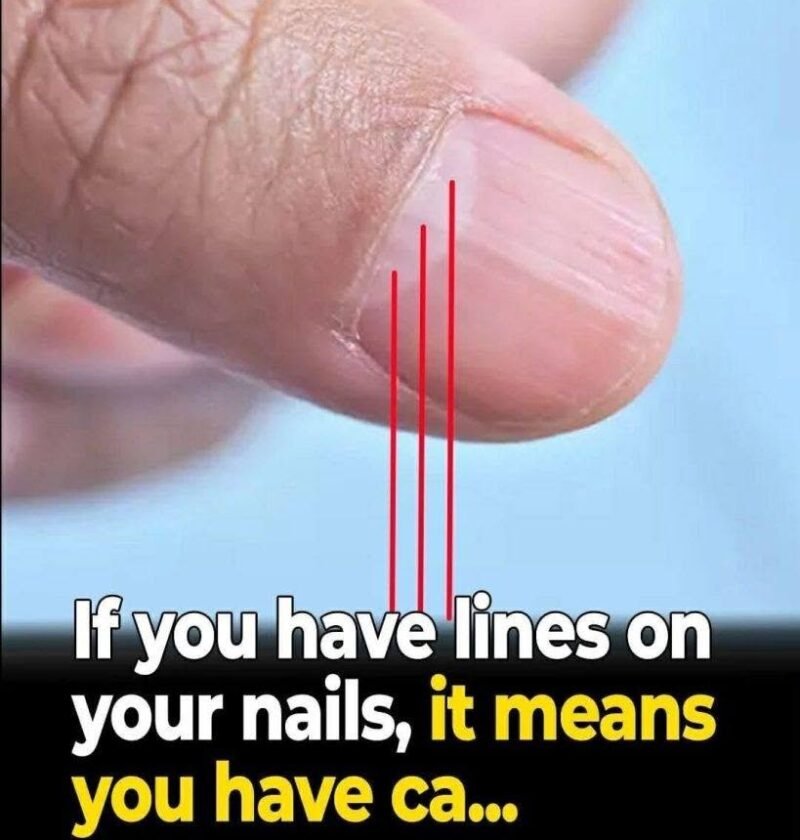
* **Deep Horizontal Grooves (Beau’s Lines):** Deep indentations running across the nail indicate that nail growth was temporarily halted due to severe physiological stress, major illness, high fever, or malnutrition.
* **Pitting (Tiny Dents):** Small, pinprick-like depressions on the nail surface are frequently associated with inflammatory conditions like psoriasis or alopecia areata.
* **Brittle or Spoon-Shaped Nails (Koilonychia):** Thin, concave nails that scoop outward can be a classic sign of severe iron-deficiency anemia.
—
> [!NOTE]
> While monitoring things like nail growth speed gives an interesting look into metabolic aging, changes in nail shape, color, or texture are much more clinically useful for spotting immediate nutritional deficiencies, circulation issues, or systemic illness.
Have you noticed any sudden changes in the texture, color, or growth speed of your nails lately?