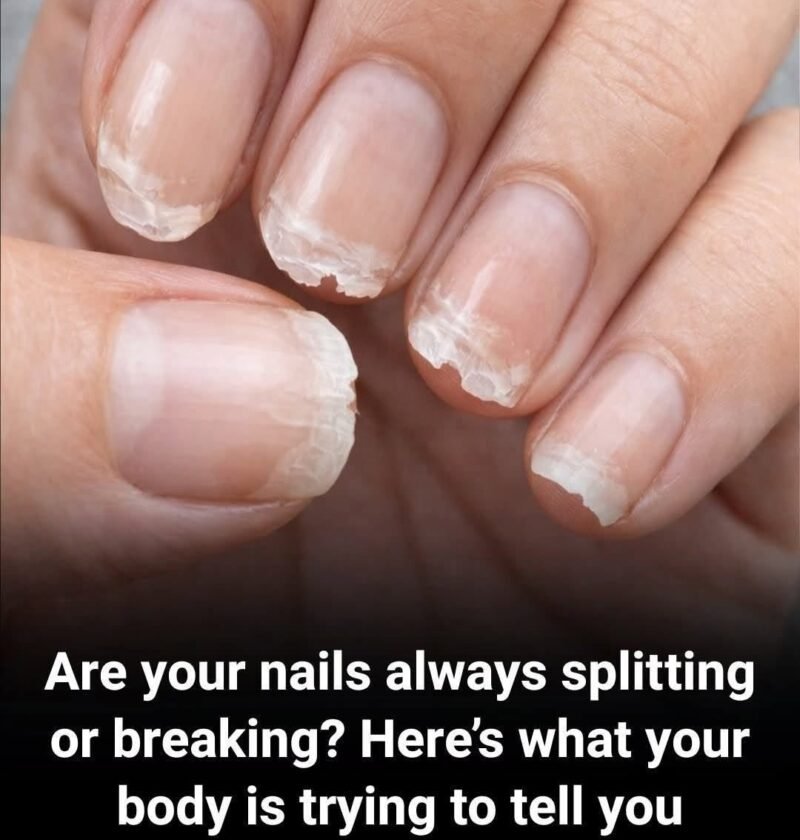
Weak, brittle, peeling, or cracking nails are a very common frustration. While we often blame our latest manicure or a lack of hand lotion, your nails can actually act as a window into your overall internal health.
Nails are primarily made of keratin, a tough fibrous protein. When they start breaking down, splitting, or changing texture, it is often your body’s way of signaling that something is amiss—either externally or internally.
1. External Factors: The Environment and Habits
Before looking at internal health, it’s worth ruling out the most common culprits, which are usually environmental:
-
The Wet-Dry Cycle: Frequent hand washing, swimming, or doing dishes without gloves causes nails to repeatedly absorb water and then dry out. This process swells and shrinks the keratin fibers, causing them to split and peel (a condition called onychoschizia).
-
Harsh Chemicals: Frequent exposure to cleaning products, detergents, and acetone-based nail polish removers strips the natural moisture and protective oils right out of your nails.
-
Cosmetic Overload: Acrylics, gel manicures, and the harsh removal processes required for them can severely thin and weaken the natural nail plate.
-
Aging: Just like skin, nails grow slower and lose moisture more rapidly as we age, making them naturally more brittle over time.
2. Internal Factors: Nutritional Deficiencies
If your toenails are also brittle or peeling, or if lifestyle changes don’t help, the root cause is likely internal. Your nails need a steady supply of building blocks to grow strong:
-
Iron: An iron deficiency (with or without anemia) can lead to weak, dry, or even “spoon-shaped” nails (nails that curve upward, known as koilonychia). Iron helps transport oxygen to your cells, including the nail matrix.
-
B Vitamins (Especially Biotin / B7): Biotin is famous for supporting keratin infrastructure. A shortage of B vitamins can leave nails soft, thin, and prone to breaking.
-
Protein: Because nails are made of protein, a diet chronically low in protein can drastically hinder nail growth and strength.
-
Zinc and Calcium: Low levels of these minerals can result in weak nails, sometimes accompanied by white spots or horizontal lines across the nail bed.
-
Essential Fatty Acids: Omega-3 deficiencies can starve the nail bed of necessary hydration, leading to dry, brittle growth.
3. Underlying Medical Conditions
In some cases, chronic brittle nails can point to an underlying systemic health issue:
-
Thyroid Disorders: Both an underactive thyroid (hypothyroidism) and an overactive thyroid (hyperthyroidism) can disrupt your metabolism and moisture regulation, frequently resulting in dry, brittle, or easily cracked nails.
-
Fungal Infections: If your brittle nails are also turning yellow, thickening, or lifting away from the skin, it may be a fungal infection rather than a simple deficiency.
-
Autoimmune Conditions: Conditions like psoriasis or alopecia areata can manifest directly on the nails, causing pitting, splitting, or structural changes.
How to Help Your Nails Recover
-
Moisturize Constantly: Apply a thick hand cream or a dedicated nail conditioner containing lanolin or alpha-hydroxy acids immediately after washing your hands.
-
Suit Up: Always wear rubber or waterproof gloves when washing dishes, cleaning, or handling harsh chemicals.
-
Keep Them Short: While you are trying to heal them, keep your nails clipped short to minimize the surface area available to catch, tear, or peel.
-
Reevaluate Your Diet: Focus on balanced, protein-rich foods, healthy fats, and iron-rich options (like leafy greens, beans, and lean meats). If you suspect a deficiency, a biotin supplement or a multi-vitamin can sometimes help, but keep in mind that nails grow slowly—it can take several months for a completely healthy new nail to grow out from base to tip.
If your brittle nails are accompanied by other symptoms like extreme fatigue, unexplained weight changes, hair loss, or pain and swelling around the nail folds, it’s a good idea to consult a doctor or dermatologist to check your thyroid levels or run basic blood panels.