-
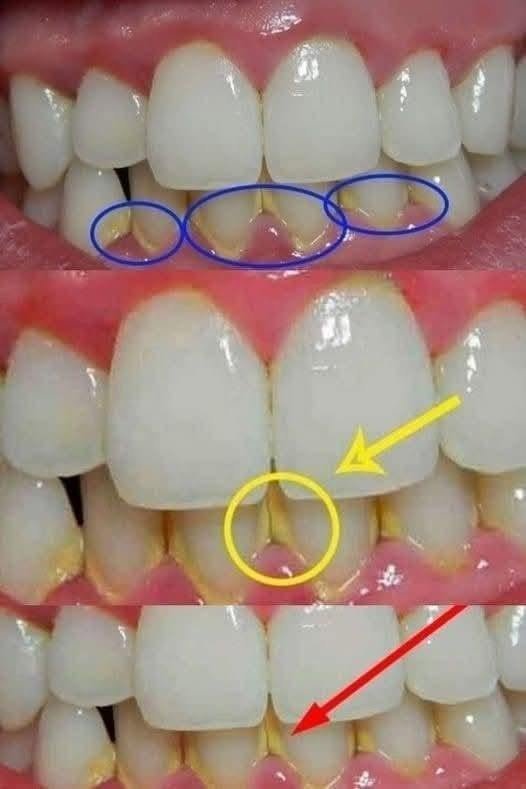
Soft plaque (the fuzzy bacterial film that forms every few hours) already comes off in 2 minutes at home with a soft toothbrush, fluoride toothpaste, and floss—no special “5-minute hack” needed.
-
Hardened tartar (calculus)—which forms when plaque absorbs minerals from saliva over 24–72 hours—bonds like cement to tooth enamel and CANNOT be safely removed in 5 minutes by any natural rinse, paste, or oil at home. Only a dentist or dental hygienist using ultrasonic scalers and sterile curettes can remove tartar without permanently damaging your teeth and gums.
Why Viral “5-Minute Natural Plaque” Hacks Harm Your Teeth
| Viral Home Hack | What It Claims | What Actually Happens to Your Teeth |
| 1. Lemon Juice, Apple Cider Vinegar, or Strawberry-Baking Soda Scrubs | “Dissolves tartar and whitens teeth naturally in minutes.” | Citric and acetic acids dissolve tooth enamel (acid erosion), making teeth permanently thinner, more sensitive, and more yellow over time as darker underlying dentin shows through. |
| 2. Scraping With DIY Metal Picks or Needles | “Scrape away tartar yourself just like the dentist.” | Without professional magnification and angulation, metal picks gouge enamel, lacerate gums, push bacteria deeper under the gumline, and trigger painful gum infections or root sensitivity. |
| 3. Coconut Oil Pulling (Swishing Oil for 10–20 Minutes) | “Pulls hardened tartar and toxins out of gums.” | Oil pulling can temporarily reduce some free-floating surface bacteria (similar to rinsing with water or mouthwash), but oil cannot dissolve mineralized tartar or replace brushing and flossing. |
| 4. Activated Charcoal or Coarse Salt Scrubs | “Polishes off buildup fast.” | High abrasiveness acts like sandpaper on enamel, creating microscopic scratches that actually trap more plaque and stains later. |
What Actually Works at Home vs. What Needs a Dentist
-
Remove Soft Plaque Daily (Takes 2–3 Minutes, Twice a Day):
-
Brush for 2 full minutes with a soft-bristled toothbrush held at a 45-degree angle toward the gumline using gentle circular strokes—hard scrubbing wears away gums and enamel.
-
Clean between teeth once daily with dental floss, interdental brushes, or a water flosser (where 40% of tooth surfaces hide from a brush).
-
If you want an occasional gentle stain-lifter, a standard ADA-accepted baking soda toothpaste is low-abrasion and safe—unlike raw lemon-and-baking-soda pastes.
-
-
Leave Hardened Tartar to a Professional Cleaning:
-
If buildup feels rough, crusty, or yellowish-brown along the gumline or behind your lower front teeth and does not brush off after 2 minutes of normal brushing, it has calcified into tartar and needs a professional scaling.
-