7 Common Causes of Nighttime Leg Cramps
-
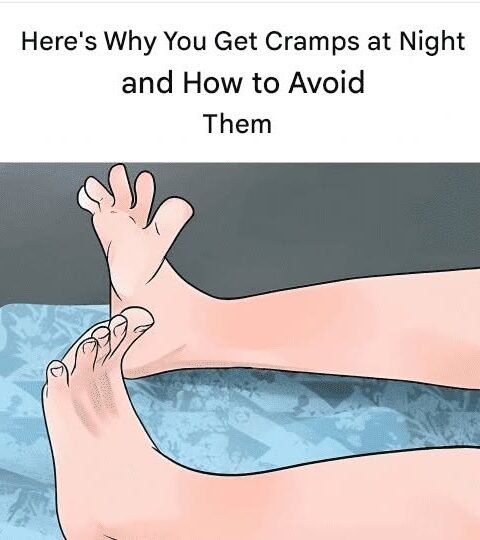
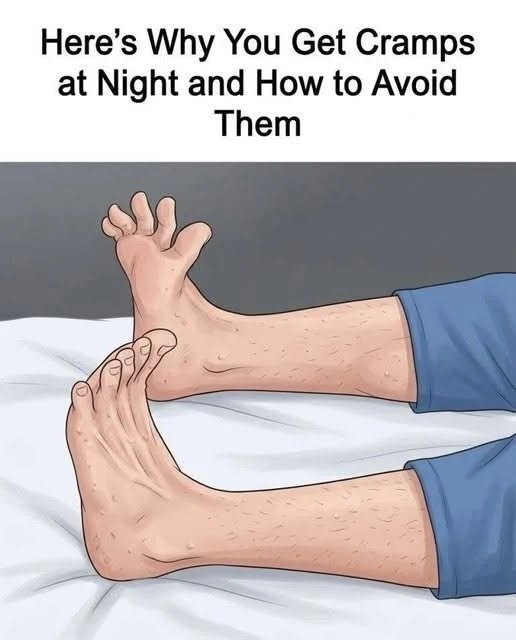
Downward-Pointed Foot Posture in Bed (Plantar Flexion): Sleeping on your stomach or with heavy blankets/tucks pushing toes downward keeps the calf muscle in a shortened state, lowering the threshold for sudden involuntary contraction.
-
Muscle Fatigue & Lack of Stretching: Standing all day on hard floors, walking longer than usual, or starting unaccustomed leg exercise leaves calf and foot muscles fatigued and prone to spasm at night.
-
Aging & Nerve Changes: Muscle mass and motor-neuron firing patterns shift with age, making resting leg muscles more excitable—especially after age 50–60.
-
Inconsistent Hydration or Heavy Sweating: Mild fluid loss during the day or in warm rooms can increase neuromuscular irritability, though chugging water right before bed rarely stops cramps on its own.
-
Medications: Certain drugs trigger or worsen cramps in some people, including diuretics (“water pills”), statins, beta-agonists, and certain blood pressure or osteoporosis medicines.
-
Pregnancy: Hormonal shifts, fluid changes, and extra weight commonly cause calf cramps, particularly in the second and third trimesters.
-
Underlying Medical Conditions: Peripheral neuropathy (nerve irritation, often linked to diabetes or lumbar spine issues), peripheral artery disease, thyroid disorders, or kidney disease can contribute to recurring cramps.
How to Stop a Cramp Fast & Prevent Future Ones Naturally
-
Stop a Cramp in Progress: Immediately pull your toes and foot upward toward your shin (dorsiflexion), or stand up and press your heel flat onto the floor while gently massaging the tight muscle. Warmth (a warm towel or bath) or a cool compress afterward can ease lingering soreness.
-
Prevent Nighttime Cramps Naturally:
-
Stretch calves before sleep: Do a gentle wall calf stretch—hands on a wall, back leg straight with heel flat on the floor, leaning forward for 20–30 seconds per side, repeated 2–3 times before bed.
-
Keep bedding loose at the foot of the bed: Untuck sheets or use a lightweight blanket so your feet are not forced downward all night.
-
Pace daytime activity and fluids: Drink fluids steadily earlier in the day, wear supportive footwear, and warm up or cool down before and after leg workouts.
-