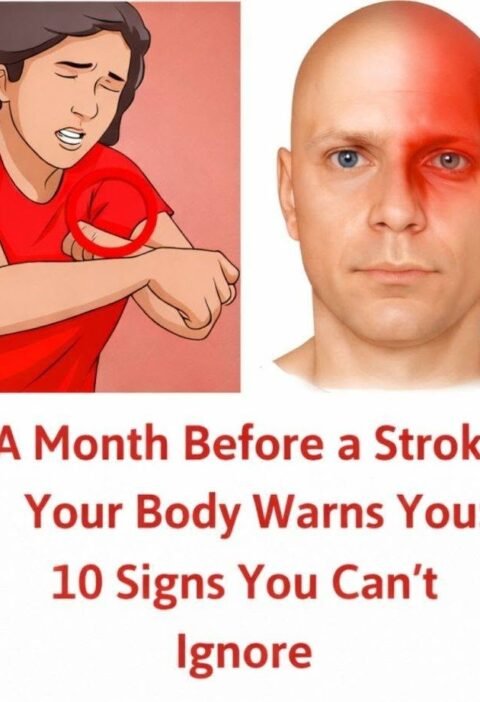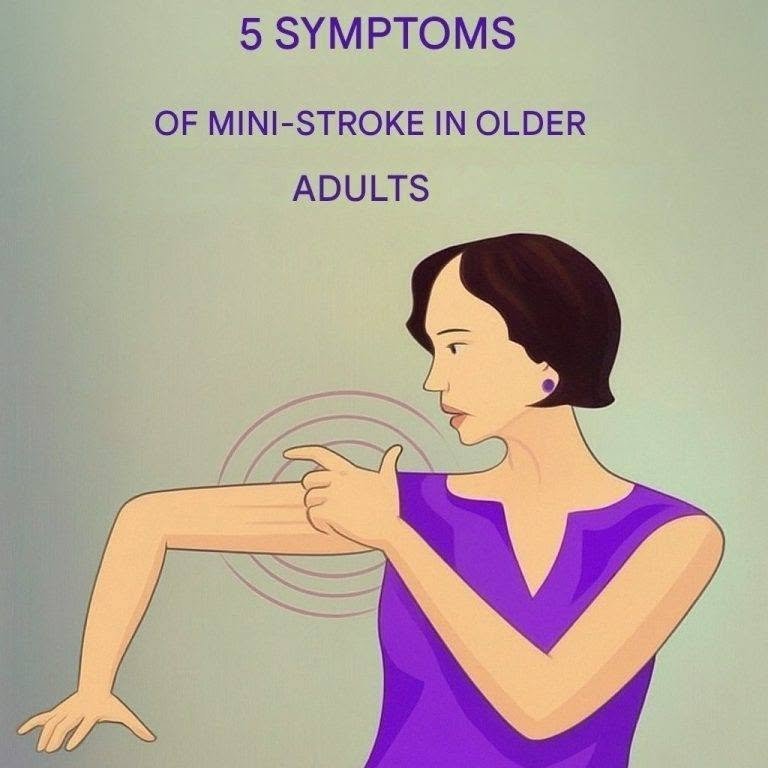
5 Warning Signs in Older Adults to Never Ignore
-
Sudden one-sided weakness or numbness: A drooping corner of the mouth or eye, or sudden weakness, heaviness, or “pins-and-needles” numbness in the face, arm, or leg—especially on one side of the body. In older adults, a hand suddenly dropping a cup or a leg giving out while walking can be an easy-to-miss clue.
-
Sudden trouble speaking or understanding: Slurred speech (“mushy” words), trouble finding common words, speaking sentences that don’t make sense, or suddenly struggling to follow what someone else is saying—even if the person laughs it off or seems embarrassed.
-
Sudden vision changes in one or both eyes: Blurry or double vision, dimness, or sudden partial/complete vision loss in one eye (sometimes described like a dark shade or curtain pulling down over the eye).
-
Sudden dizziness, loss of balance, or unsteadiness: A sudden spinning sensation (vertigo), loss of coordination, stumbling, or trouble walking in a straight line—especially when it strikes abruptly rather than building slowly. In older adults, an unexplained stumble or sudden “off-balance” spell can look like a routine slip when blood flow to balance centers dips.
-
Sudden severe headache with no obvious cause: An abrupt, unusually intense headache—particularly if paired with nausea, vomiting, confusion, or any of the four signs above.
Why Older Adults Often Miss or Delay Care
-
Symptoms fade before help is called: A TIA can resolve in 10 or 30 minutes, leading someone to think, “I’m fine now, I’ll just lie down.” The relief is temporary; the underlying risk is urgent.
-
Overlap with everyday aging or medication effects: Lightheadedness, mild confusion, word-finding slips, or a stumble are easily blamed on dehydration, standing up too fast, poor sleep, or blood pressure medications—until a larger stroke happens.
-
Atypical or subtle presentation: Older adults are more likely to have subtle confusion, sudden unsteadiness, or brief sensory shifts rather than dramatic textbook signs.
What to Do Right Away
-
Call emergency services immediately—even if the symptoms go away completely within minutes. Do not wait to see if they return or drive yourself if you feel unwell.
-
Note the exact time symptoms started (or when the person was last seen completely normal). Doctors use this timeline to make rapid diagnostic and treatment decisions.
-
Do not give aspirin or other blood thinners unless instructed by emergency responders or a physician, as some stroke emergencies involve bleeding rather than a clot.