Why “2 Drops to Restore Hearing” Is Misleading—and When Drops Can Actually Help
-
Hearing Loss Has Many Causes: Most persistent or progressive hearing loss involves the middle ear (fluid, eardrum issues, ossicle stiffness), the inner ear / auditory nerve (age-related hearing loss/presbycusis, noise damage, sudden sensorineural hearing loss), or earwax blockage. Ear drops cannot repair inner-ear hair cells, nerve pathways, or eardrum mechanics.
-
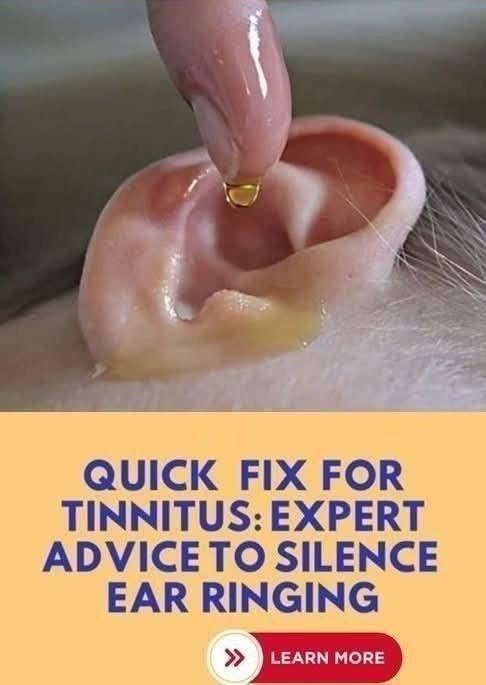
When Ear Drops Are Appropriate: A doctor or pharmacist may recommend wax-softening drops (such as carbamide peroxide, mineral oil, or saline) when a clinician confirms an intact eardrum and no active ear infection or drainage.
-
When Ear Drops Are Risky: Never put drops or home remedies into an ear if you have ear pain, pus/fluid/blood draining from the ear, a suspected perforated (ruptured) eardrum, ear tubes, or a recent ear injury/surgery—liquid entering the middle ear through a torn eardrum can cause severe pain, infection, or dizziness. Also avoid cotton swabs (Q-tips) or ear candles, which pack wax tighter or burn/injure the ear canal.
Safe First Steps & When to Seek Care
-
Prompt Same-Day / Urgent Evaluation: Seek prompt medical evaluation if hearing loss comes on suddenly (over hours to 1–2 days in one or both ears—sudden sensorineural hearing loss is time-sensitive and responds best to early medical treatment), or if hearing changes occur alongside severe ear pain, fever, fluid/pus/blood discharge, ringing/spinning dizziness, or facial weakness.
-
Routine Doctor or ENT Visit (Within 2–7 Days): Schedule a checkup if muffled hearing or ear fullness builds up gradually, follows a cold or earwax buildup, or lingers after a flight/swim—a clinician can look inside the ear canal with an otoscope, safely clear wax if needed, or arrange a hearing test (audiogram).