Everyday Reasons Veins Look More Prominent
-
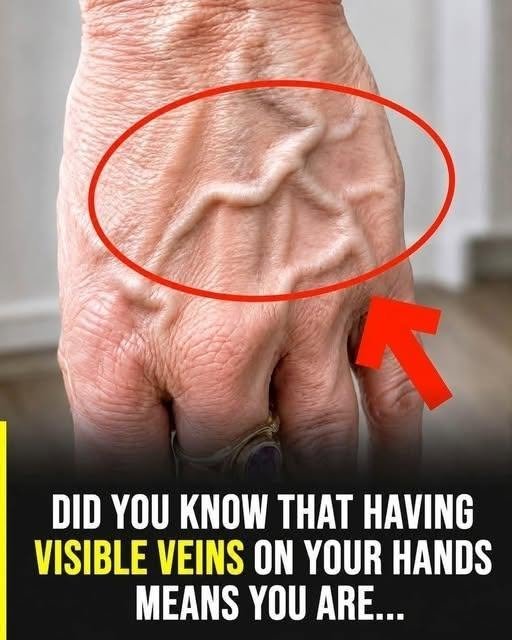
Skin Thickness, Fat & Genetics: Fairer or thinner skin, natural skin thinning with age, or having less body fat over the hands, forearms, or lower legs makes underlying veins stand out much more clearly—and vein visibility runs in families.
-
Heat, Exercise & Gravity: Warm weather, hot showers, strength training or brisk walking, and standing or letting your arms/legs hang down widen superficial veins and increase blood flow through them, making them temporarily fuller or more bulging.
-
Pregnancy & Hormonal Shifts: Higher blood volume, altered vein wall tone, and increased pelvic/abdominal pressure during pregnancy commonly make veins more noticeable on the breasts, abdomen, and legs.
-
Vein Changes Over Time: Bulging, twisted, or ropy leg veins can reflect varicose veins or mild chronic venous insufficiency (when one-way vein valves weaken and blood pools slightly when standing), whereas tiny spider veins are usually cosmetic or linked to sun/hormonal/pressure factors.
When Visible Veins Warrant a Medical Check
-
Immediate / Urgent Care (
<1 hour): Seek immediate emergency medical attention (call 1122 in Pakistan or go to the nearest emergency hospital) if prominent or swollen leg veins come with shortness of breath, chest pain or pressure, sudden fainting/lightheadedness, or coughing up blood, or if a leg/arm suddenly becomes swollen, painful, warm, or red (warning signs of a blood clot/DVT or pulmonary embolism). -
Routine Doctor Visit (Within 2–7 Days): Schedule a checkup if bulging leg veins cause aching, heaviness, throbbing, itching, or ankle swelling, if you notice skin color changes, hardening, or sores near the ankles, or if prominent veins appear newly on the chest, abdomen, or one side without a clear reason.