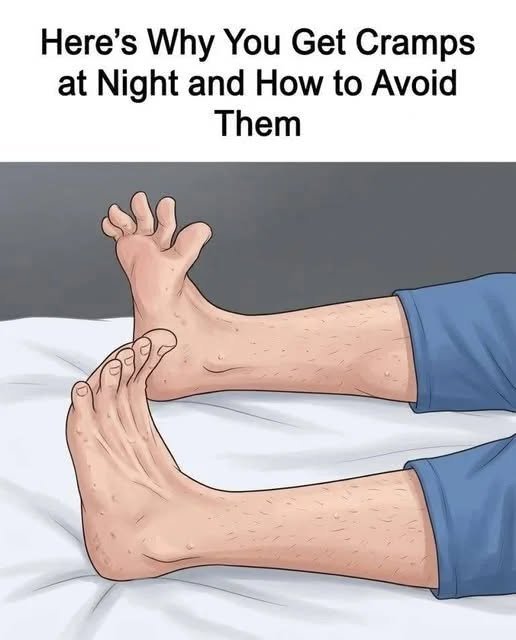
Nighttime leg cramps—sudden, painful contractions of the calf muscles, feet, or hamstrings that strike while you’re resting or sleeping—can instantly ruin a good night’s rest. Fortunately, understanding what triggers them makes it much easier to find natural relief.
7 Common Causes of Nighttime Leg Cramps
-
Muscle Fatigue and OverexertionUnaccustomed heavy exercise, prolonged standing, or sitting in awkward positions all day can exhaust muscle fibers. When you finally relax into bed, the fatigued muscles are prone to sudden, involuntary spasms.
-
DehydrationInadequate fluid intake throughout the day reduces blood volume and fluid balance around muscle cells. Without sufficient water, nerves become hyperexcitable, easily triggering painful cramps.
-
Electrolytes ImbalancesMinerals like magnesium, potassium, calcium, and sodium regulate muscle contraction and relaxation. Low levels of magnesium or potassium are among the most frequent dietary culprits behind nocturnal cramps.
-
Poor CirculationAs we age, or due to conditions like peripheral artery disease, blood flow to the lower extremities can decrease. Restricted circulation deprives muscles of oxygen and nutrients, provoking spasms.
-
Prolonged Immobility or Poor PostureSitting or lying still for hours can cause muscles to shorten or trap nerves. Pointing your toes downward under heavy blankets for hours is a classic trigger, as it keeps the calf muscle in a shortened, contracted state.
-
Medication Side EffectsCertain prescription drugs—most notably diuretics (water pills) used for high blood pressure or heart conditions—can flush out essential electrolytes like potassium and magnesium, leading directly to cramping.
-
Nerve Compression or Structural IssuesConditions like lumbar spinal stenosis (narrowing of the spinal canal) can pinch the nerves traveling down your legs, causing cramping or cramping-like sensations during rest.
How to Stop and Prevent Them Naturally
-
Stretch Before Bed: Spend 5 minutes doing gentle calf and hamstring stretches before turning off the lights. Lean against a wall with your back leg straight and heel flat on the floor to lengthen the calf muscle.
-
Hydrate Consistently: Sip water throughout the day rather than chugging a large amount right before sleep. Adding an electrolyte-rich beverage (or a pinch of sea salt and lemon to water) can also help if you sweat heavily.
-
Boost Magnesium-Rich Foods: Incorporate almonds, spinach, pumpkin seeds, avocados, and dark chocolate into your diet, or talk to your doctor about a magnesium glycinate supplement.
-
Adjust Your Sleep Position: Avoid sleeping with your toes pointed straight down. Try sleeping on your back with a pillow under your knees, or on your side with a pillow between your legs, keeping your feet in a neutral, relaxed position.
-
Immediate Relief Tip: When a cramp hits, instantly step out of bed and bear weight on the affected leg while gently bending your knee, or sit down and pull your toes upward toward your shin (dorsiflexion) to stretch the cramped muscle.